Choosing between an audio guide, a human guide, and a self-guided visit can change how the Terracotta Army feels. The museum is impressive even without explanation, but the details that make it meaningful are easy to miss: military formations, restoration work, pit differences, ranks, weapons, burial context, and why the figures were made in the first place.
This guide helps you decide which interpretation style fits your visit. It is not about saying every traveler must hire a guide. It is about matching the museum to your time, budget, attention span, language comfort, group needs, and interest in history.
Quick decision snapshot
- Best for most first-time visitors: a good human guide or a clear audio guide plus a planned route.
- Best for independent travelers: self-guided with advance reading and enough time in each pit.
- Best for families: a flexible guide or parent-led route with short explanations.
- Best for deep history interest: a guide who can connect Pit 1, Pit 2, Pit 3, bronze chariots, and Qin burial context.
What an audio guide can do well
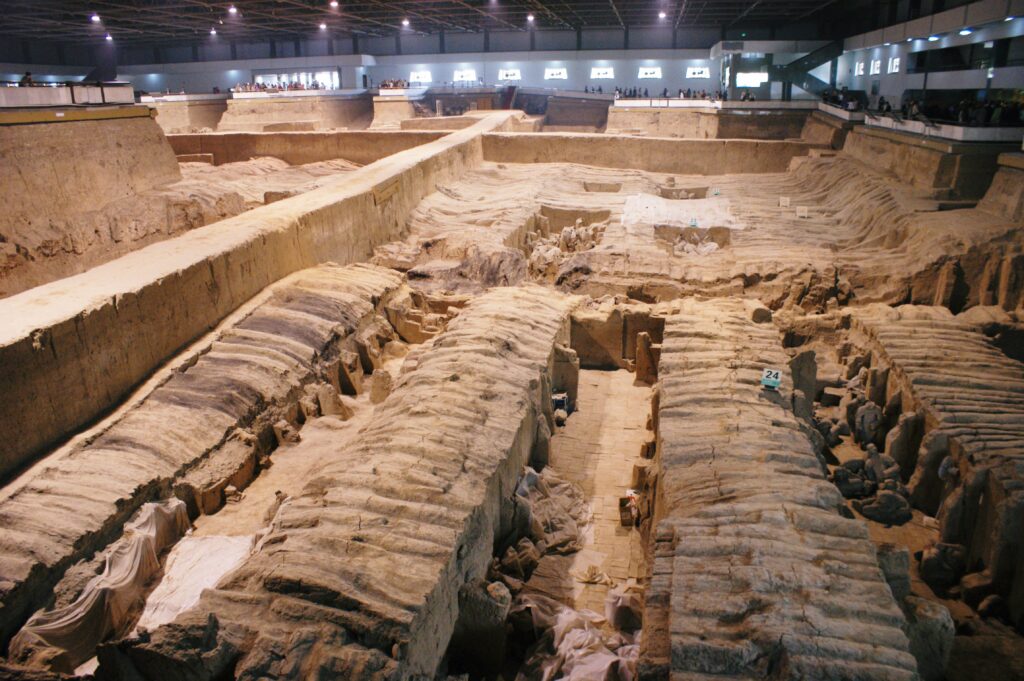
An audio guide can be useful if you want structure without following another person's pace. It can give basic context at the main stops, help you understand why the pits differ, and reduce the feeling that you are simply looking at rows of clay figures. For solo travelers, couples, and visitors who prefer quiet, it can be a good middle option.
The best use of an audio guide is selective. Listen at the main viewing points, then pause and look. Do not let the device turn the visit into background noise while you walk past the most important details. Pair it with the first-time museum guide so you know which areas deserve your attention.
Where an audio guide may feel limited
An audio guide cannot answer follow-up questions, adjust the explanation to your interests, or help your group make route decisions in real time. If a hall is crowded, if children are losing patience, or if you want to compare specific figures, a recorded explanation may feel too generic.
Audio quality, language availability, rental process, and current availability can also change. Check on-site information and official channels before assuming a particular device, app, or language option will be available on your visit date.
What a human guide adds
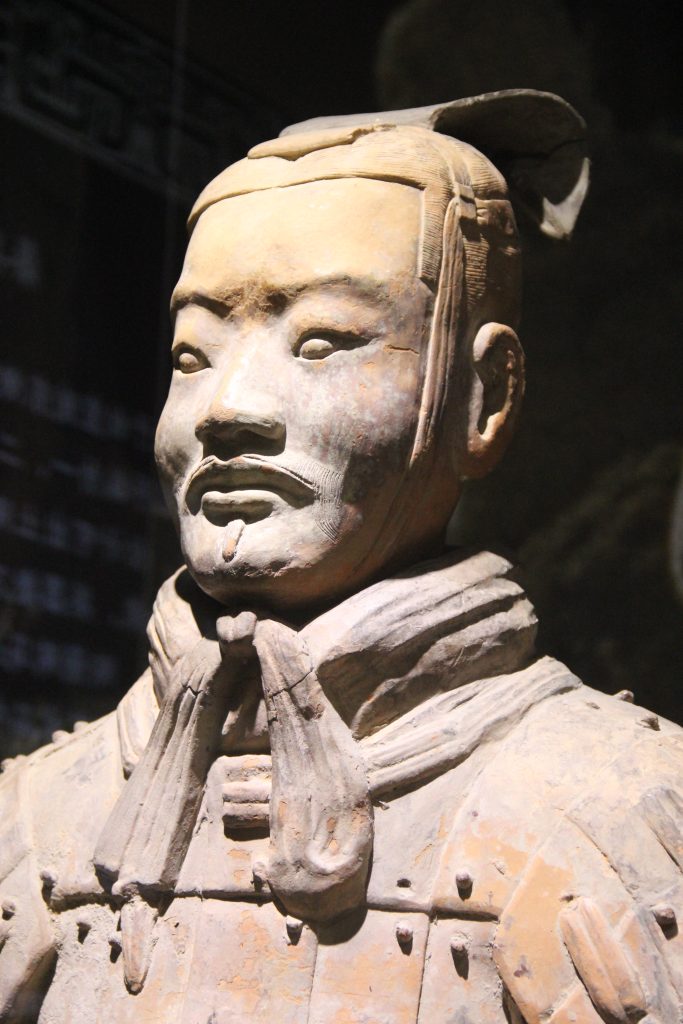
A human guide can turn the museum into a story instead of a sequence of halls. The value is not only facts. A good guide controls the order, points out details you would miss, explains why Pit 2 and Pit 3 matter, and helps connect the warriors to Qin Shi Huang's mausoleum and the wider burial project.
This is especially useful if you have limited time. If you only have a half day, a guide can help you avoid spending too long in the wrong place and still leave with a coherent understanding. Use the how long to spend at the Terracotta Army guide to decide how much interpretation time you can realistically afford.
When a guide is worth it
A guide is most worth it for first-time visitors who want more than the famous Pit 1 view, travelers with strong history interest, families who need the route kept engaging, and groups with senior travelers who benefit from a calmer pace. It is also useful if your English-language comfort with museum signs is limited or if you dislike figuring out route logic on the spot.
If you are still deciding whether any guide is necessary, read the broader Terracotta Army with or without a guide article. This page focuses more narrowly on the audio guide versus human guide decision.
When self-guided is enough
A self-guided visit can be enough if you prepare before arrival and move slowly. The Terracotta Army is visually powerful, and you do not need a guide to understand that Pit 1 is the main highlight. If you read the museum route in advance, know the basic differences between the pits, and do not rush, you can still have a strong visit.
Self-guided works best for travelers who enjoy reading signs, moving independently, taking photos, or spending uneven time in different areas. It works less well when everyone in the group is waiting for someone else to explain why the quieter halls matter.
How each option fits the main museum route
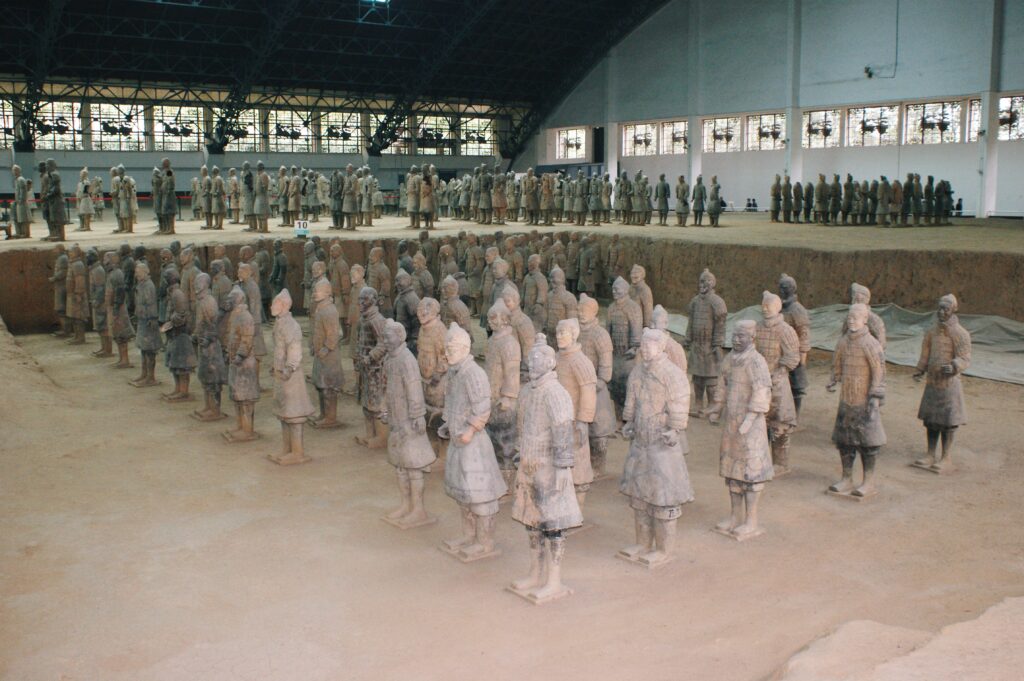
Pit 1 is the easiest area to appreciate without much explanation because the scale is obvious. Still, the details become richer when you understand restoration, formations, viewing angles, and why not every figure looks the same. The Pit 1 guide is useful even if you do not hire anyone.
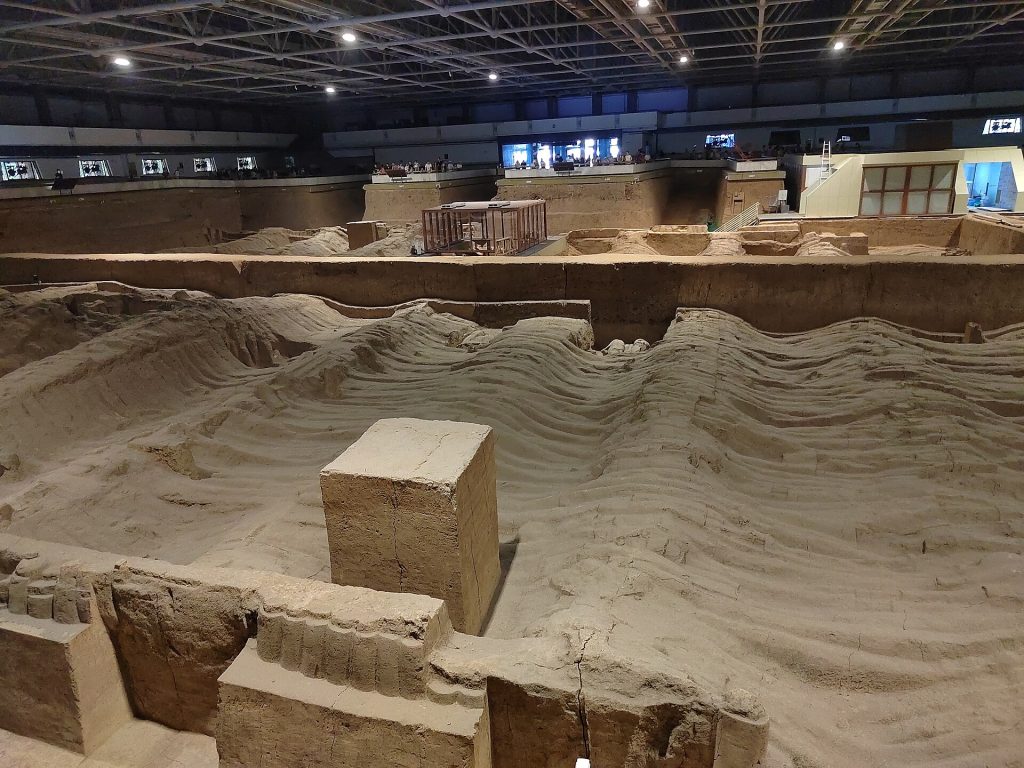
Pit 2 and Pit 3 benefit more from interpretation. Pit 2 is less immediately dramatic, but it adds variety and excavation context. Pit 3 is smaller, yet it helps explain command structure. The Pit 2 guide and Pit 3 guide can help self-guided visitors avoid dismissing them too quickly.
The Bronze Chariots guide is another place where explanation helps. Craftsmanship, burial meaning, and scale are easier to appreciate when you know what you are looking at.
Families with children
Families should be careful with long explanations. A guide can be excellent if they keep the story short, visual, and flexible. An audio guide may be harder if children are too young to listen steadily or if the family keeps stopping for snacks, toilets, and photos.
For children, the best interpretation often comes in small pieces: Why are the soldiers different? Why are some broken? Why are there horses? Why is this underground? The Terracotta Army with kids guide can help you build a route that keeps attention without turning the visit into a lecture.
Senior travelers and slower visitors
Senior travelers may prefer a human guide who can adjust the pace, suggest when to rest, and avoid unnecessary backtracking. Audio guides can be useful, but only if the device is easy to hear, the route is simple, and the group is not standing too long in crowded areas.
If comfort is a priority, combine interpretation planning with the senior travelers guide and the accessibility and mobility guide. The best guide is not the one who says the most. It is the one who helps the group understand the site without exhausting them.
Photography and interpretation
Photographers may prefer self-guided or audio-guided time because they need patience, angles, and freedom to wait. A human guide can still help by pointing out details and quieter views, but a fast-moving group can make photography frustrating.
If photos matter, read the Terracotta Army photography guide before choosing. You may want a shorter explanation at the start, then independent time for images and details.
Crowds, timing, and guide choice
Crowds change the value of each option. On a quiet day, self-guided reading is easier. On a busy day, a guide can help you avoid wasting time at blocked railings and can explain while you wait. An audio guide can still work, but crowd noise and movement may make it harder to focus.
Use the crowd avoidance guide if you are visiting during a busy season. Interpretation is easier when the route itself is not under pressure.
Ticket and on-site checks
Do not assume every guide, device, app, or service is available exactly as described by old travel notes. Check current museum information, ask on site when needed, and prepare tickets and documents before arrival. If you book any service separately, confirm what is included, where you meet, and how the timing fits the museum route.
The ticket guide is the right place to start for entry preparation. Interpretation choices are useful only if the basic entry plan is stable.
Official checks
Use official sources for final visitor information: Terracotta Army ticketing information and the Emperor Qinshihuang's Mausoleum Site Museum. Rules, services, visitor flow, and available facilities can change, especially during holidays or peak periods.
Best choice for most visitors
For most first-time visitors, the best choice is either a good human guide or a thoughtful self-guided route supported by advance reading. An audio guide can be a practical middle option when you want structure without following a group, but it works best when you use it selectively rather than continuously.
If you want the museum to feel meaningful rather than just impressive, choose some form of interpretation. The Terracotta Army is visually unforgettable, but the story behind the figures is what makes the visit stay with you after you leave.
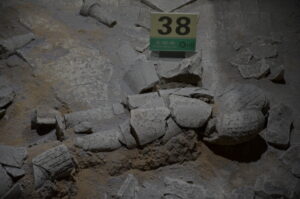
Terracotta Army Restoration: How Broken Fragments Become Museum Figures
Learn how Terracotta Army fragments are documented, matched, stabilised, and reassembled, why incomplete figures still matter, and what…

Terracotta Army Weapons: What the Arrowheads and Swords Tell You
Look beyond the warriors themselves with a practical guide to Terracotta Army weapons: bronze arrowheads, swords, missing wooden…
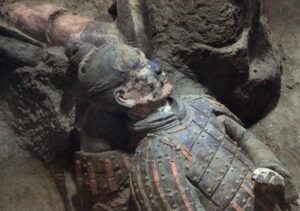
Why the Terracotta Army Looks Grey Today: The Story of Its Lost Colors
The Terracotta Army was originally painted. Learn why much of that colour disappeared after excavation, what visitors can…