Why Are There Walls Between the Terracotta Warriors in Pit 1?
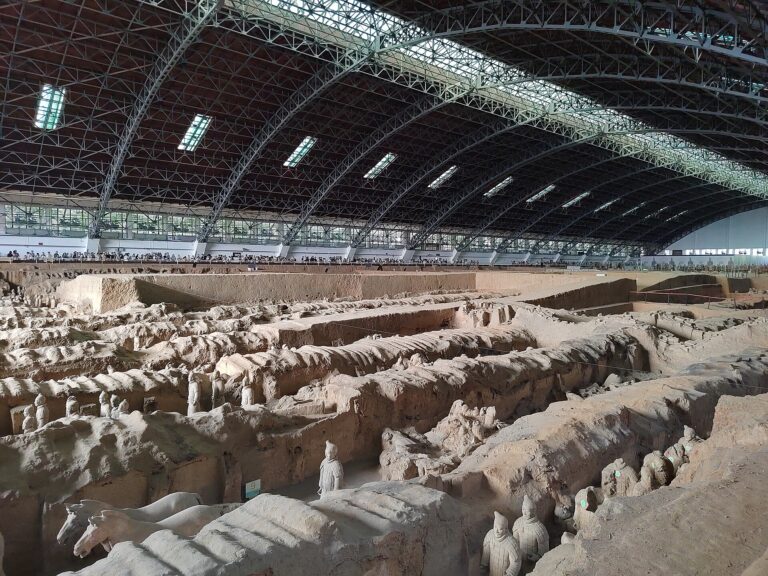
The earth walls in Pit 1 reveal an underground structure, not just rows of warriors. Follow the corridors, original roof evidence, and excavation from the museum walkway.
Practical planning guides for visiting the Terracotta Army from Xi’an, including tickets, transport, timing, route order, and visitor scenarios.
The earth walls in Pit 1 reveal an underground structure, not just rows of warriors. Follow the corridors, original roof evidence, and excavation from the museum walkway.
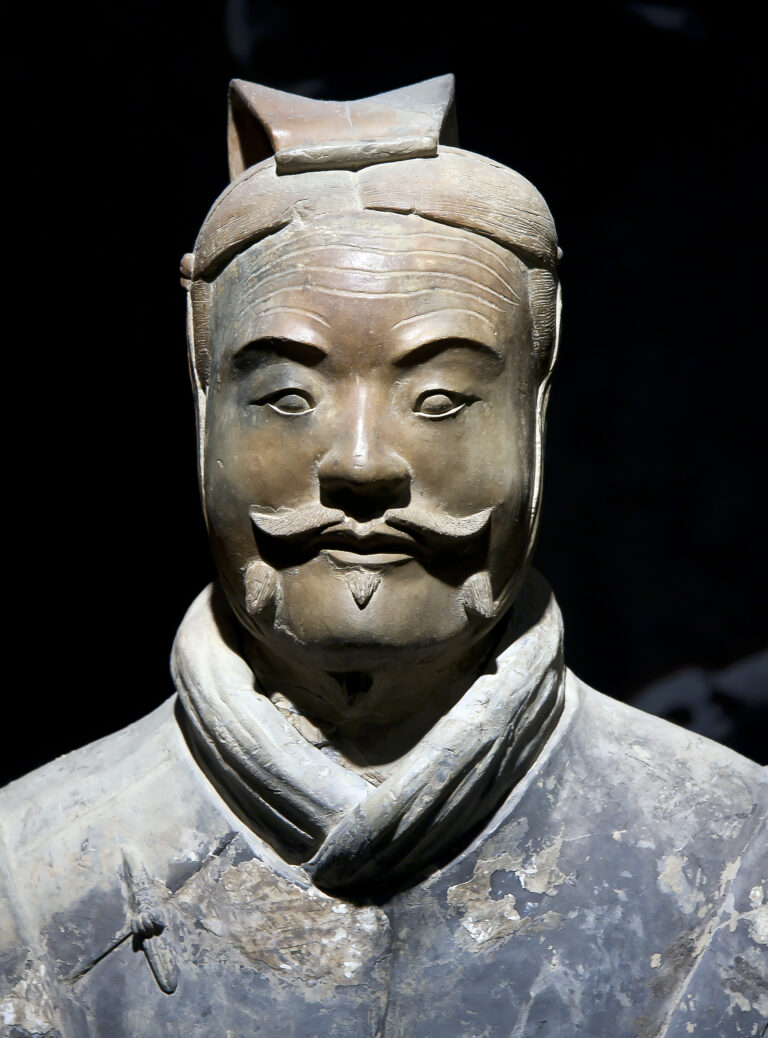
A close-looking guide to Terracotta Warrior hair knots, caps, crowns, and officer headgear, with practical comparisons for a museum visit.
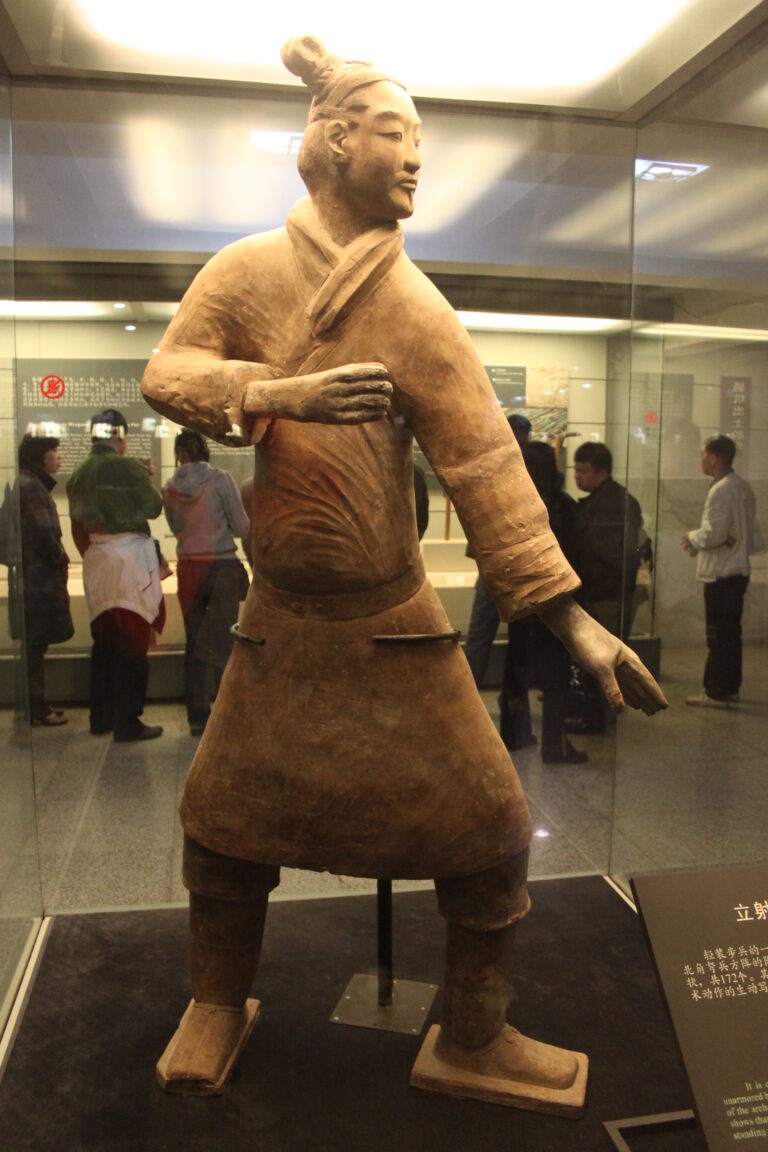
Compare the archers of Pit 2 through their posture, robe folds, armor, and hand positions, with a simple viewing sequence for your museum visit.
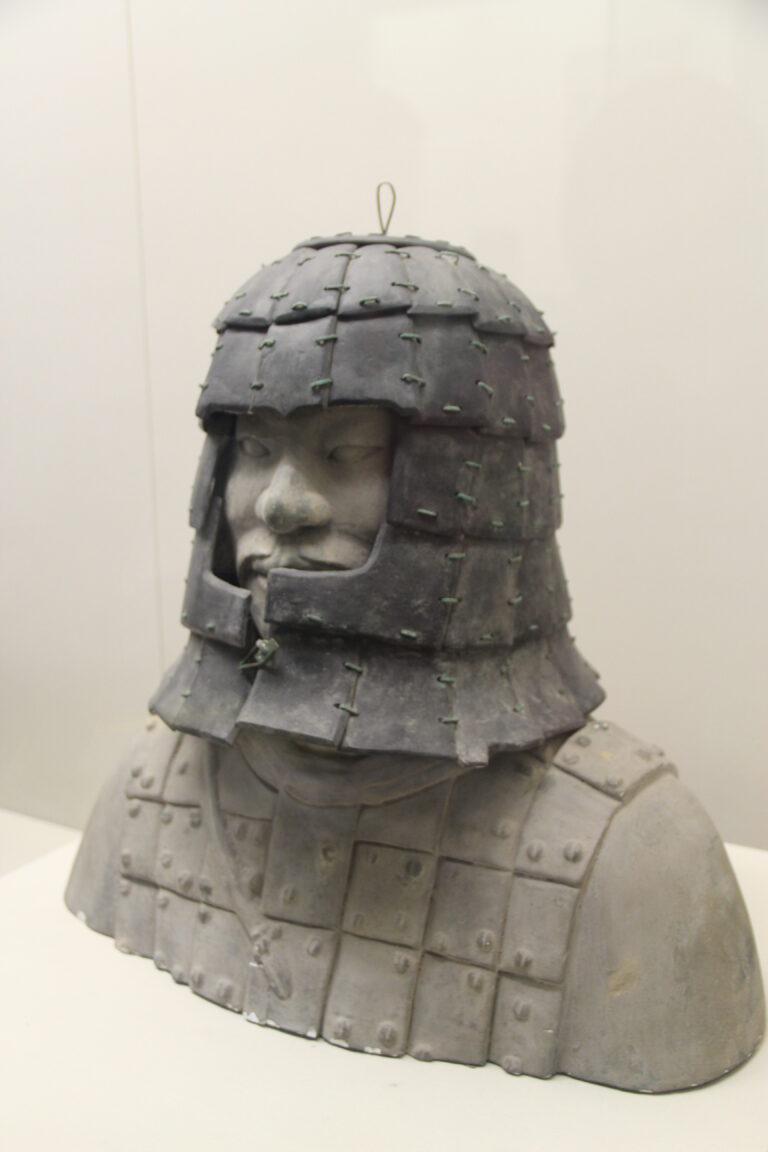
Stone plates, drilled holes, and a helmet assembled for burial: a close-looking guide to Qin stone armor and its place beyond the main warrior pits.
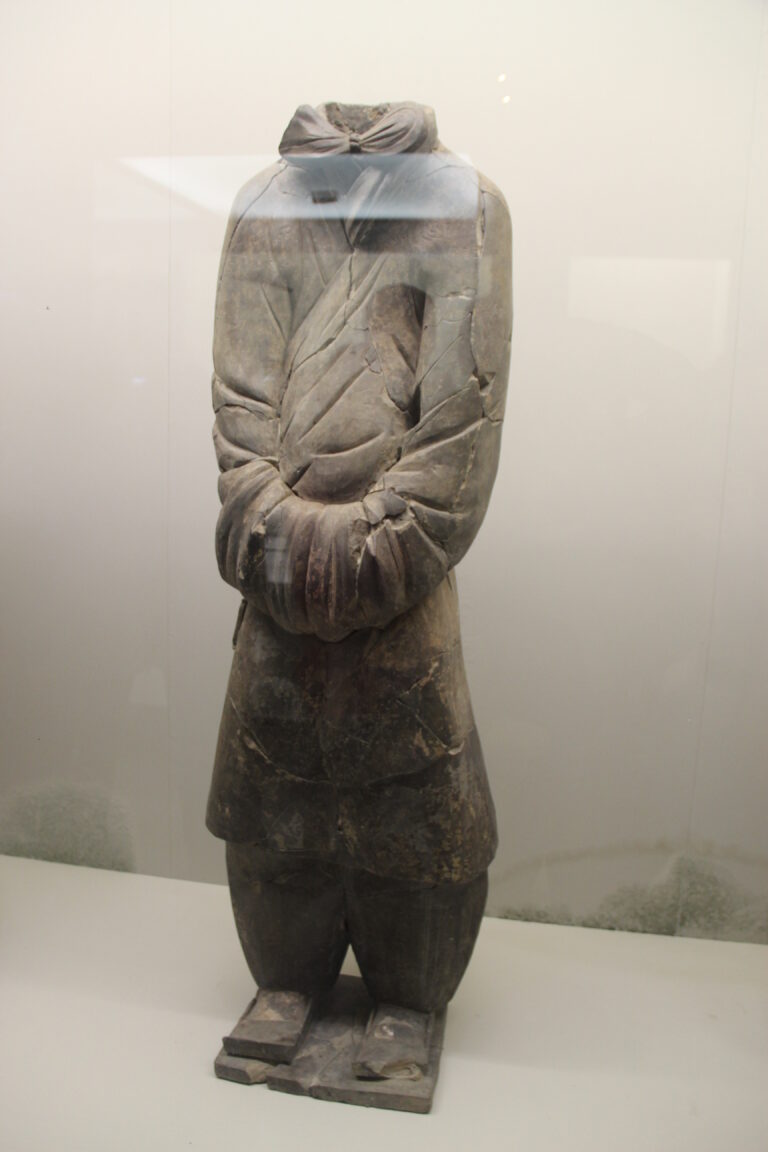
Discover the Qin mausoleum civil officials of Pit K0006: why their folded sleeves, charioteers, colours, and separate setting matter beyond the famous Terracotta Army ranks.
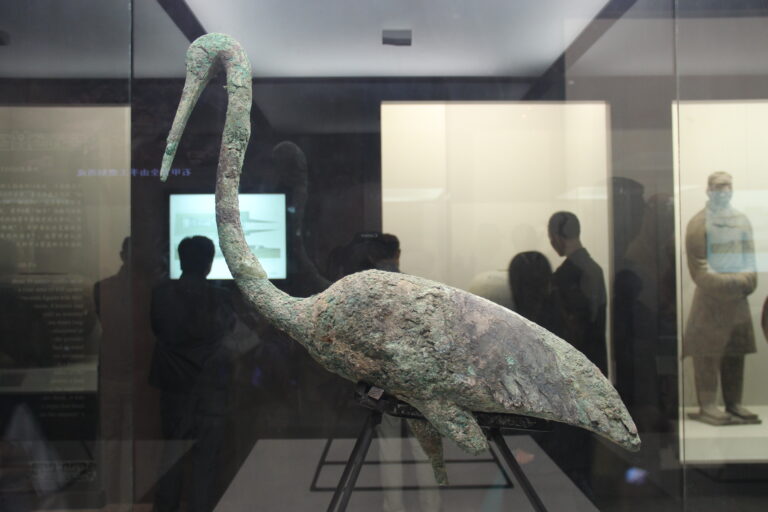
A visitor guide to the bronze water birds from the Qin mausoleum: why cranes, swans, and geese matter, how they differ from the Terracotta Army, and what they reveal about the wider burial complex.
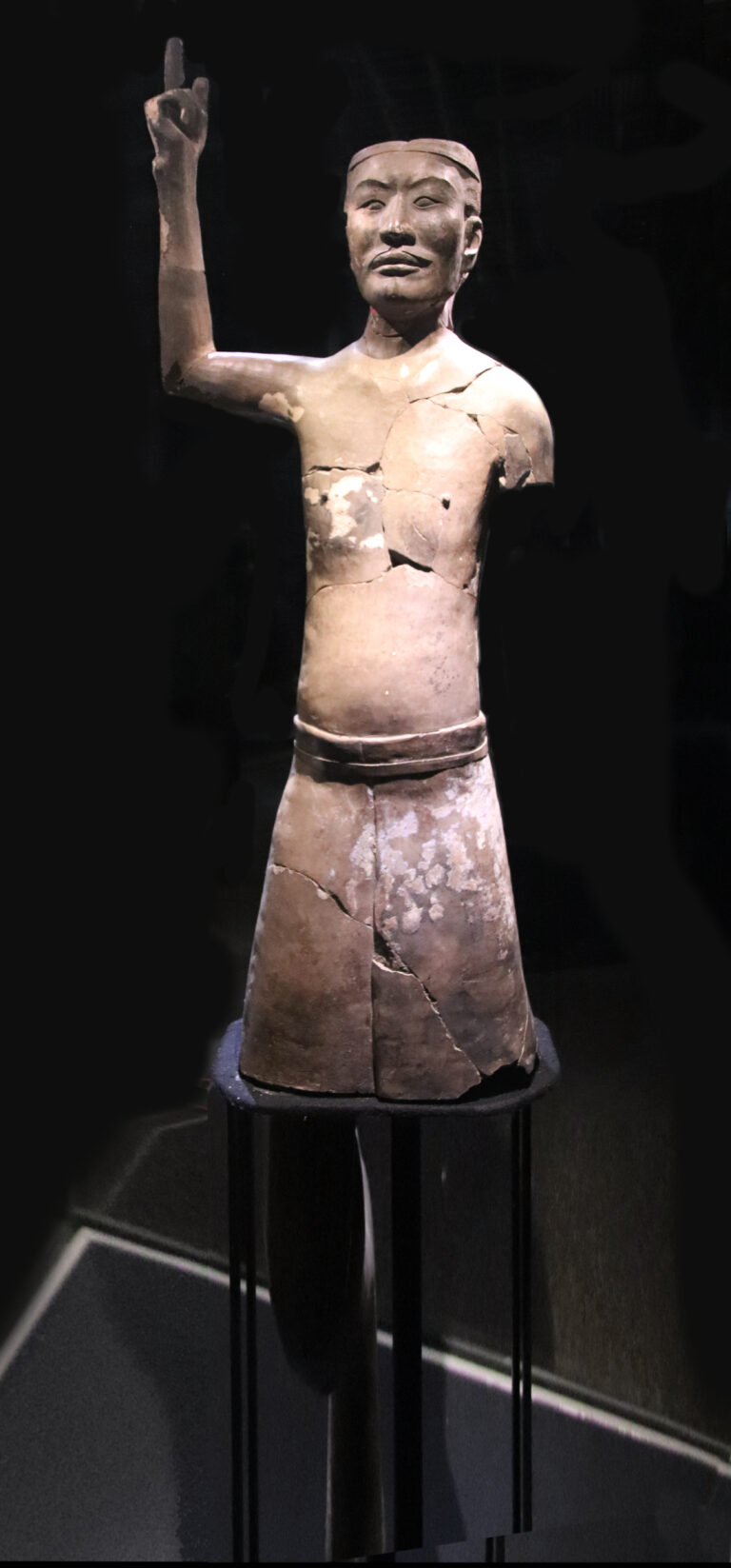
Meet the Qin mausoleum acrobats and strongmen: why they are different from the Terracotta Army soldiers, what Pit K9901 may represent, and how these figures change the way visitors understand the wider site.

A clear guide to how Terracotta Army figures were made: prepared clay, repeatable production steps, hand-finished details, firing, painting, and the clues visitors can still see in the museum.

Understand the 1974 Terracotta Army discovery, why excavation remains a careful process, and how that archaeological story can change the way you look at Pit 1, Pit 2, and Pit 3.