Xi'an visitor planning
Plan the Terracotta Army with fewer surprises
Start with tickets, transport, route order, museum pacing, and the pits that matter most. This site is built for English-speaking travelers who want practical decisions before they arrive in Xi'an.
Terracotta Army Tours
Practical Xi'an planning guides for visiting the Terracotta Army, from tickets and transport to museum route order, crowds, accessibility, and Qin history.
Latest Terracotta Army Guides
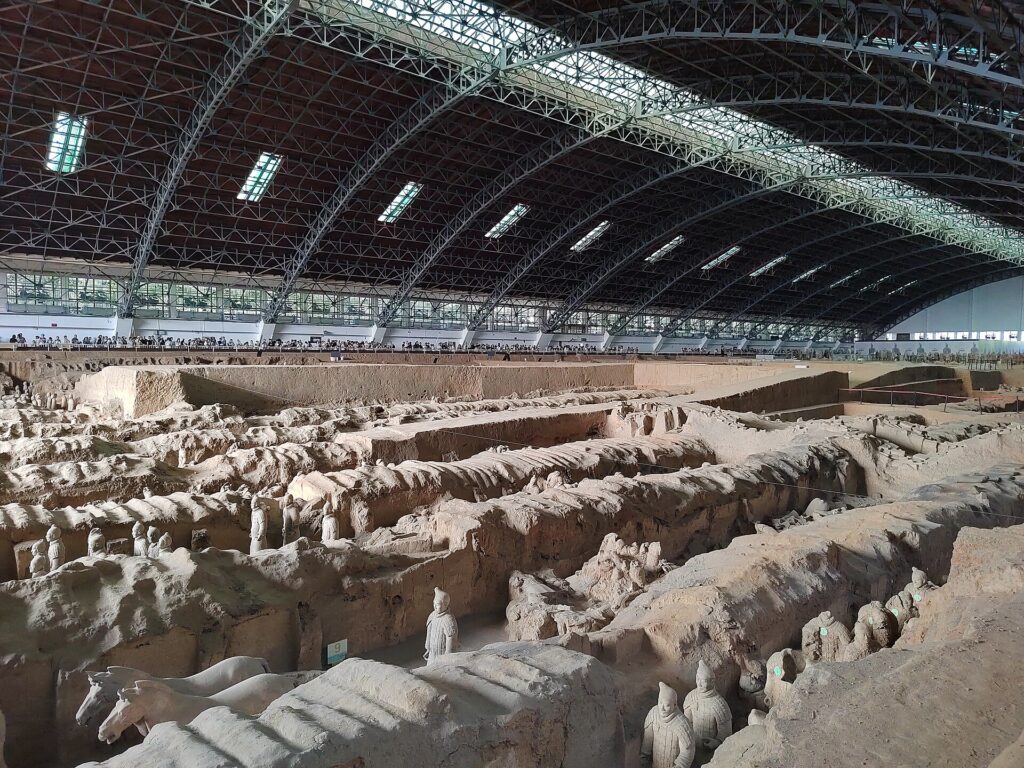
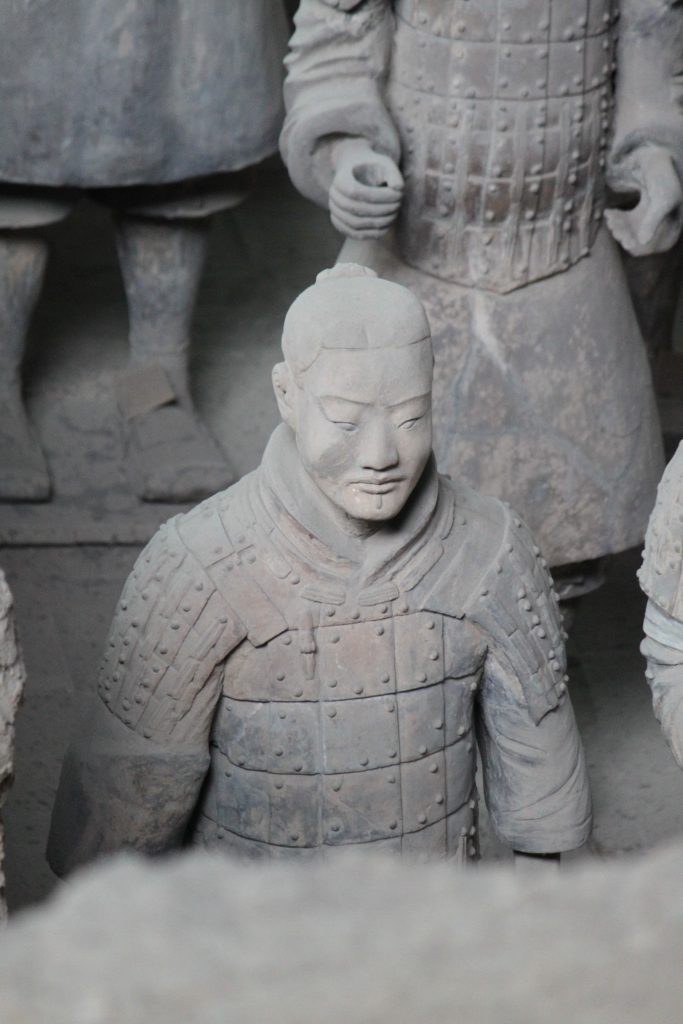
Why Are There Walls Between the Terracotta Warriors in Pit 1?
The earth walls in Pit 1 reveal an underground structure, not just rows of warriors. Follow the corridors, original roof evidence, and excavation from…
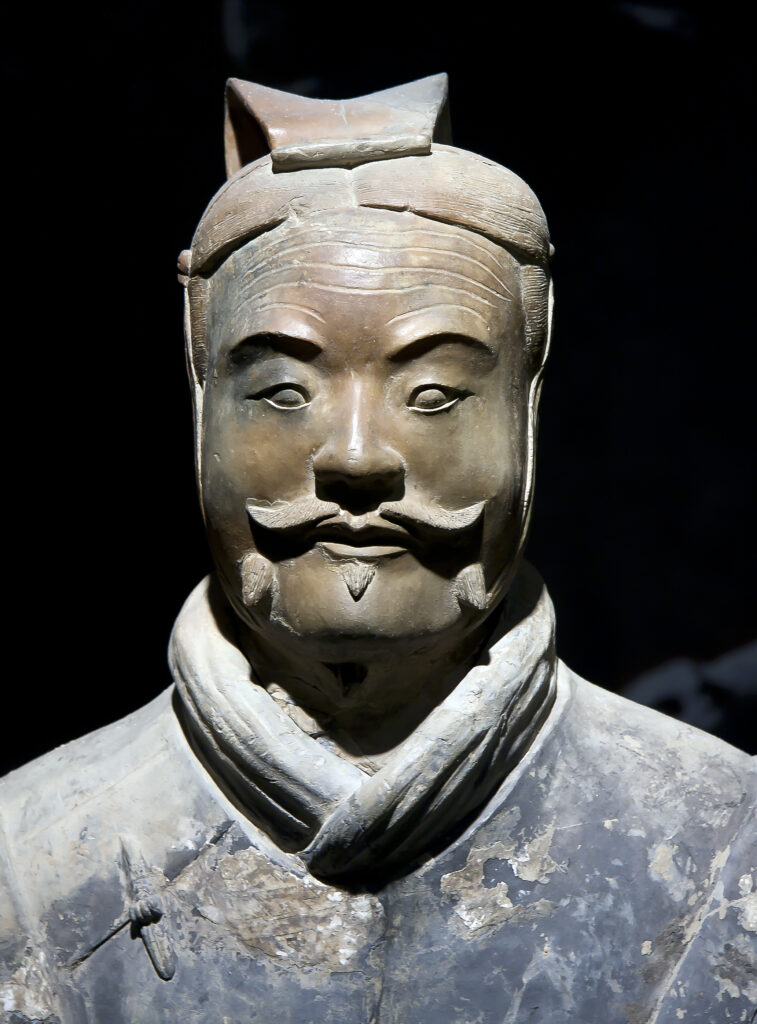
Terracotta Warrior Hairstyles and Headgear: What to Notice
A close-looking guide to Terracotta Warrior hair knots, caps, crowns, and officer headgear, with practical comparisons for a museum visit.
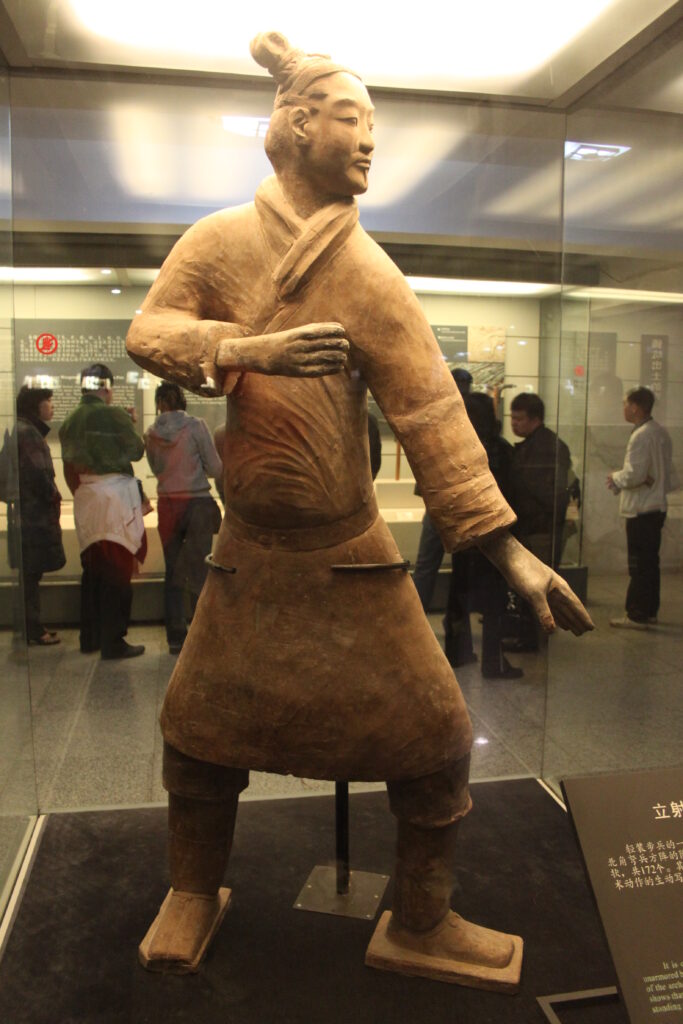
Standing vs Kneeling Archers at the Terracotta Army
Compare the archers of Pit 2 through their posture, robe folds, armor, and hand positions, with a simple viewing sequence for your museum visit.
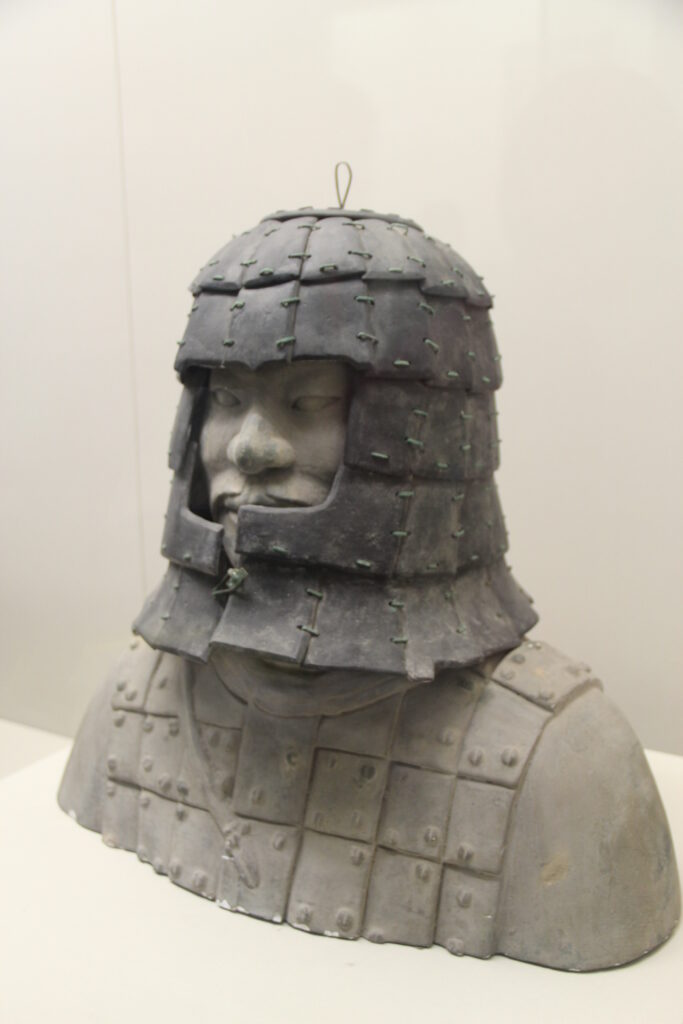
Qin Stone Armor and Helmets: What to Notice from Pit K9801
Stone plates, drilled holes, and a helmet assembled for burial: a close-looking guide to Qin stone armor and its place beyond the main warrior…
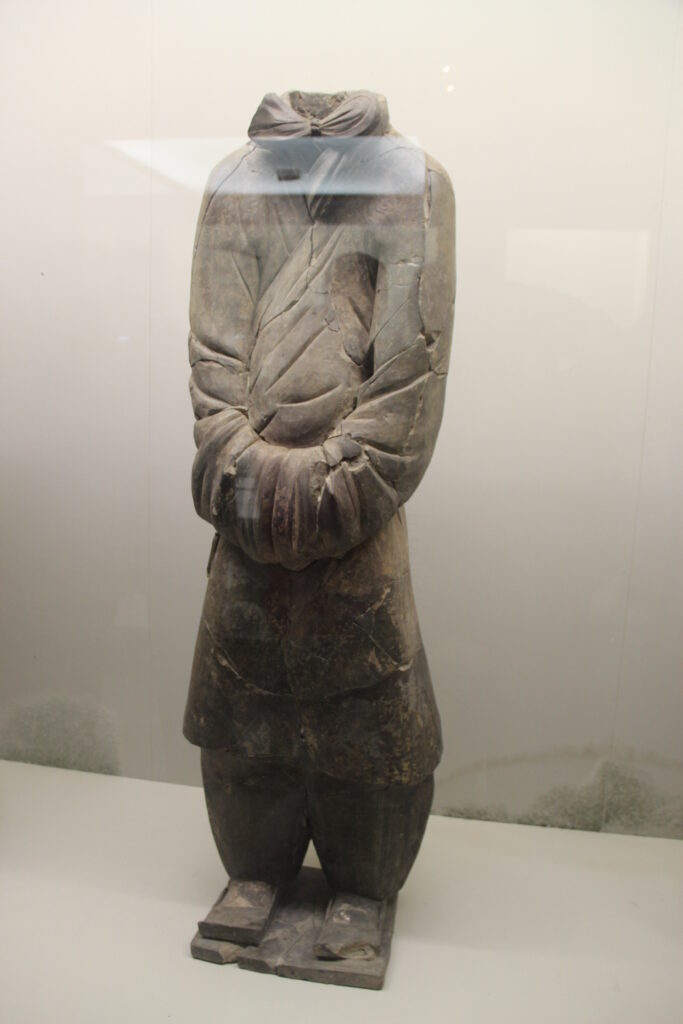
Qin Civil Officials at the Terracotta Army: What Pit K0006 Reveals
Discover the Qin mausoleum civil officials of Pit K0006: why their folded sleeves, charioteers, colours, and separate setting matter beyond the famous Terracotta Army…
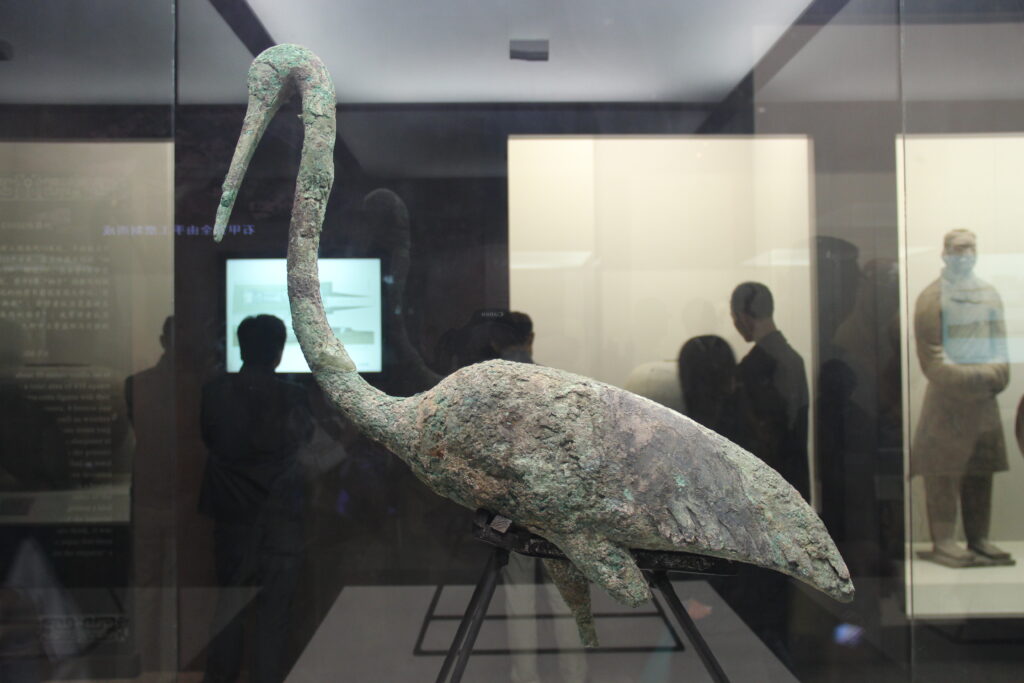
Bronze Water Birds at the Qin Mausoleum: Cranes, Swans, and Geese
A visitor guide to the bronze water birds from the Qin mausoleum: why cranes, swans, and geese matter, how they differ from the Terracotta…
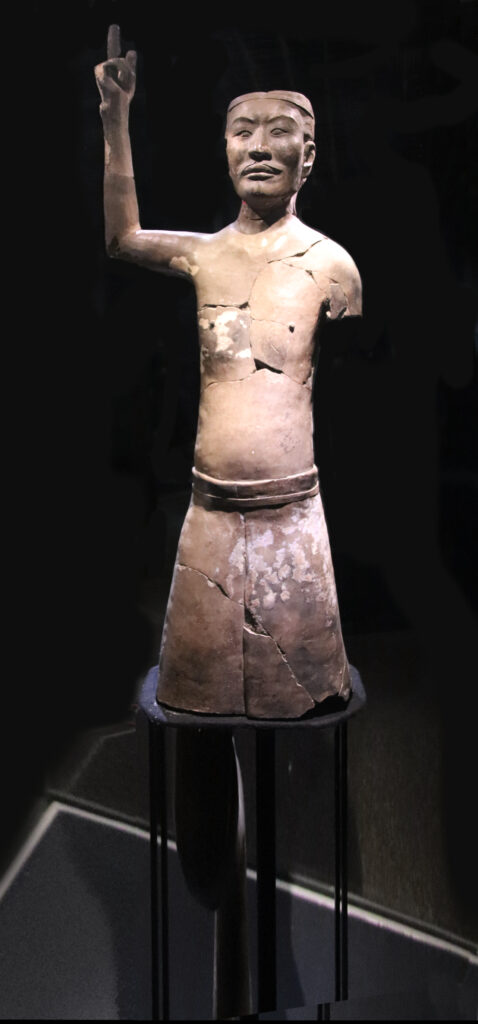
Terracotta Army Acrobats and Strongmen: The Figures Beyond the Soldiers
Meet the Qin mausoleum acrobats and strongmen: why they are different from the Terracotta Army soldiers, what Pit K9901 may represent, and how these…
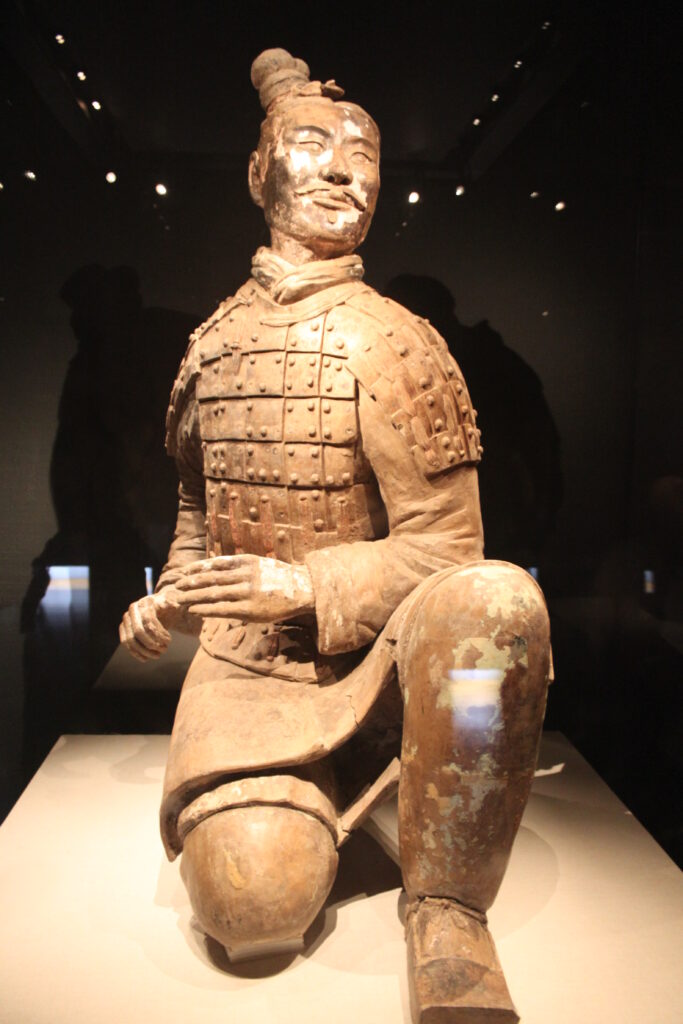
How Terracotta Warriors Were Made: Clay, Molds, and Details to Notice
A clear guide to how Terracotta Army figures were made: prepared clay, repeatable production steps, hand-finished details, firing, painting, and the clues visitors can…
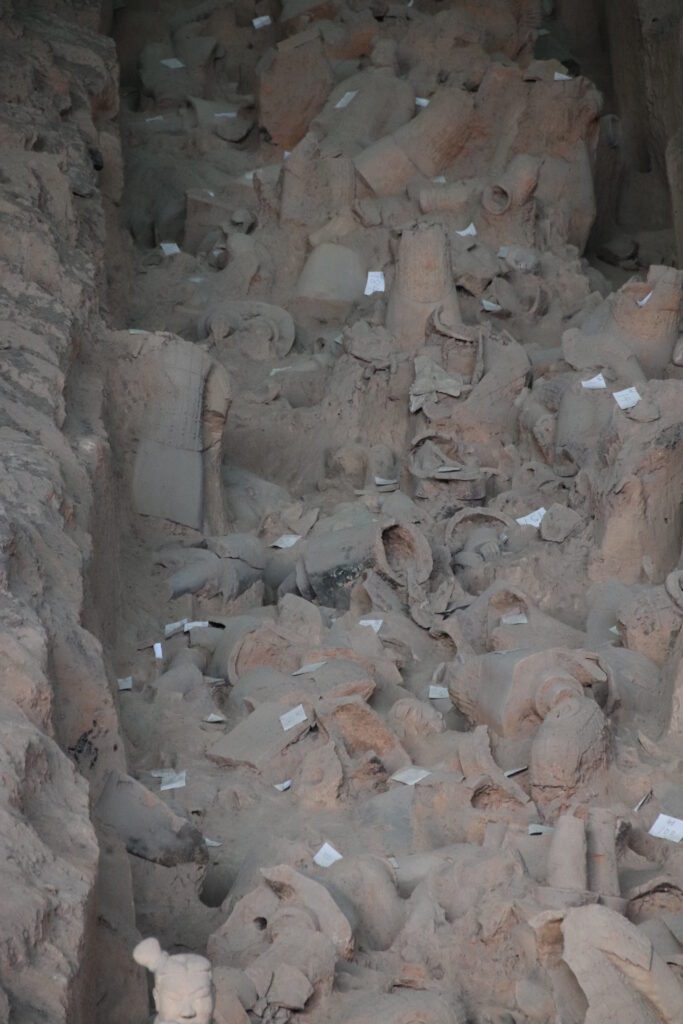
How the Terracotta Army Was Discovered in 1974: What Visitors Should Know
Understand the 1974 Terracotta Army discovery, why excavation remains a careful process, and how that archaeological story can change the way you look at…
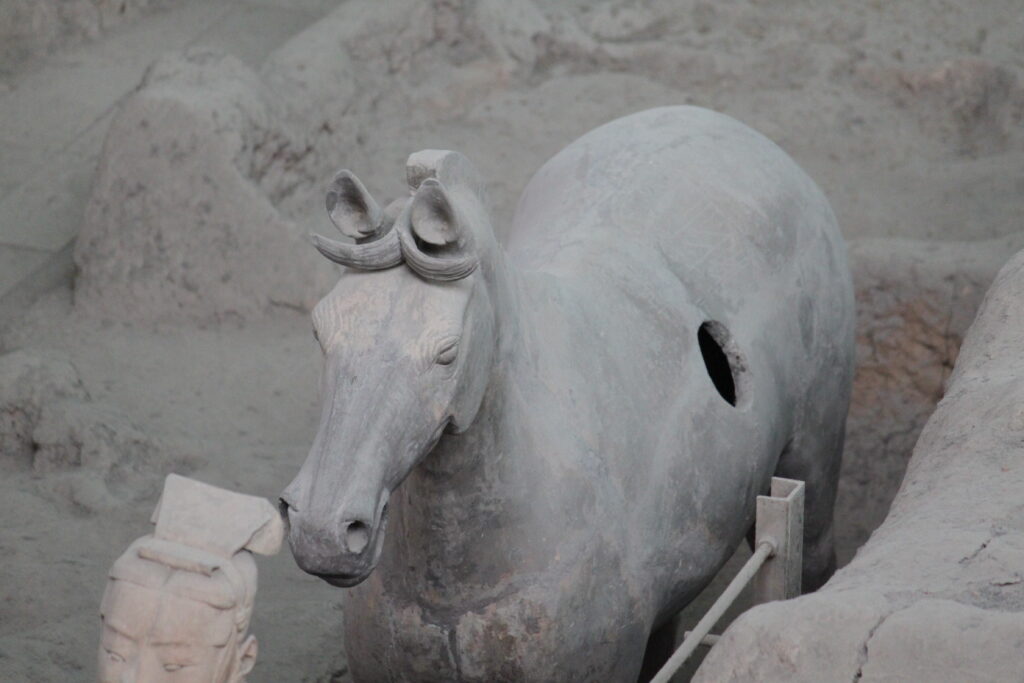
Terracotta Army Horses: What to Notice in the Chariot and Cavalry Figures
Look beyond the warriors with a practical guide to Terracotta Army horses: chariot and cavalry contexts, ears, manes, tails, harness details, museum route tips,…
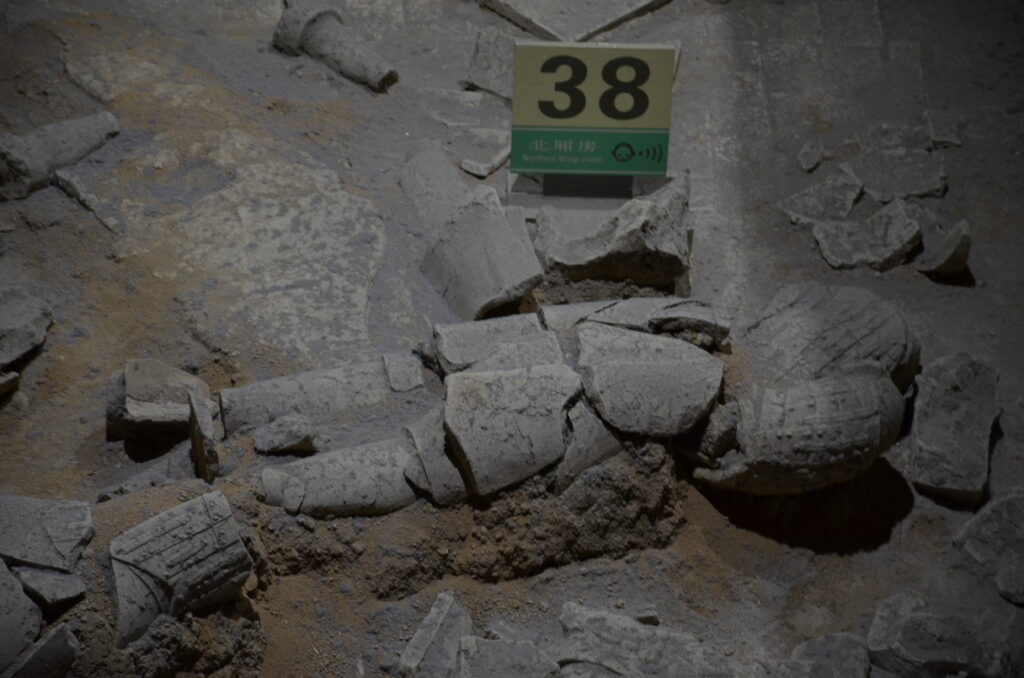
Terracotta Army Restoration: How Broken Fragments Become Museum Figures
Learn how Terracotta Army fragments are documented, matched, stabilised, and reassembled, why incomplete figures still matter, and what visitors can look for in the…
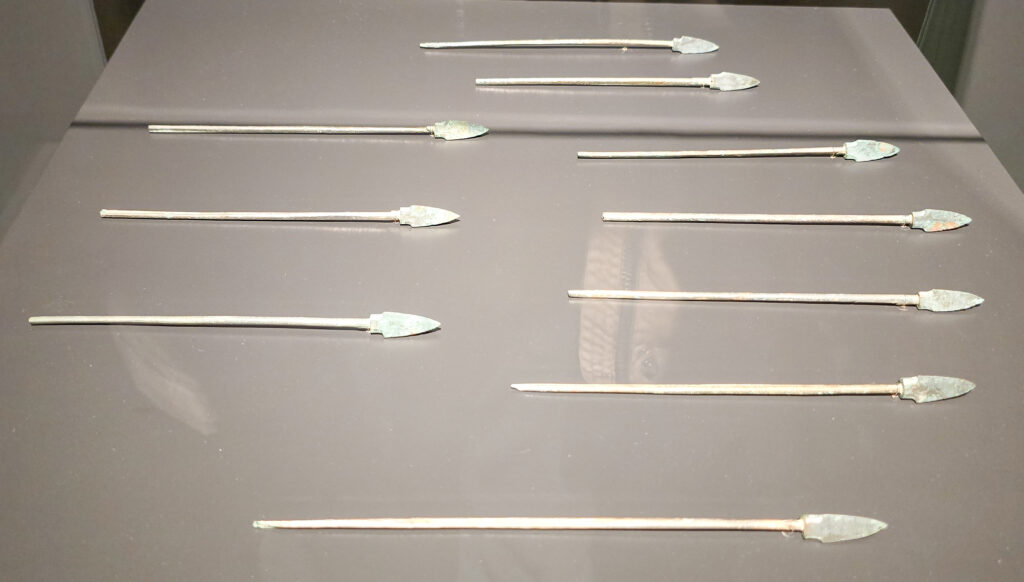
Terracotta Army Weapons: What the Arrowheads and Swords Tell You
Look beyond the warriors themselves with a practical guide to Terracotta Army weapons: bronze arrowheads, swords, missing wooden parts, what to notice in displays,…