The Terracotta Army is impressive even without explanation, but it is easier to understand with context. The question is not whether a guide is always necessary. The better question is what kind of visitor you are, how much history you want, how comfortable you are navigating in China, and whether your group needs help with pacing.
Guide decision at a glance
- Use a guide if: you want interpretation, route control, and less decision fatigue.
- Go independently if: you prefer self-paced travel and are willing to prepare before arrival.
- Best middle ground: read background first, then use labels, audio support, or a short guided explanation where available.
What a guide adds
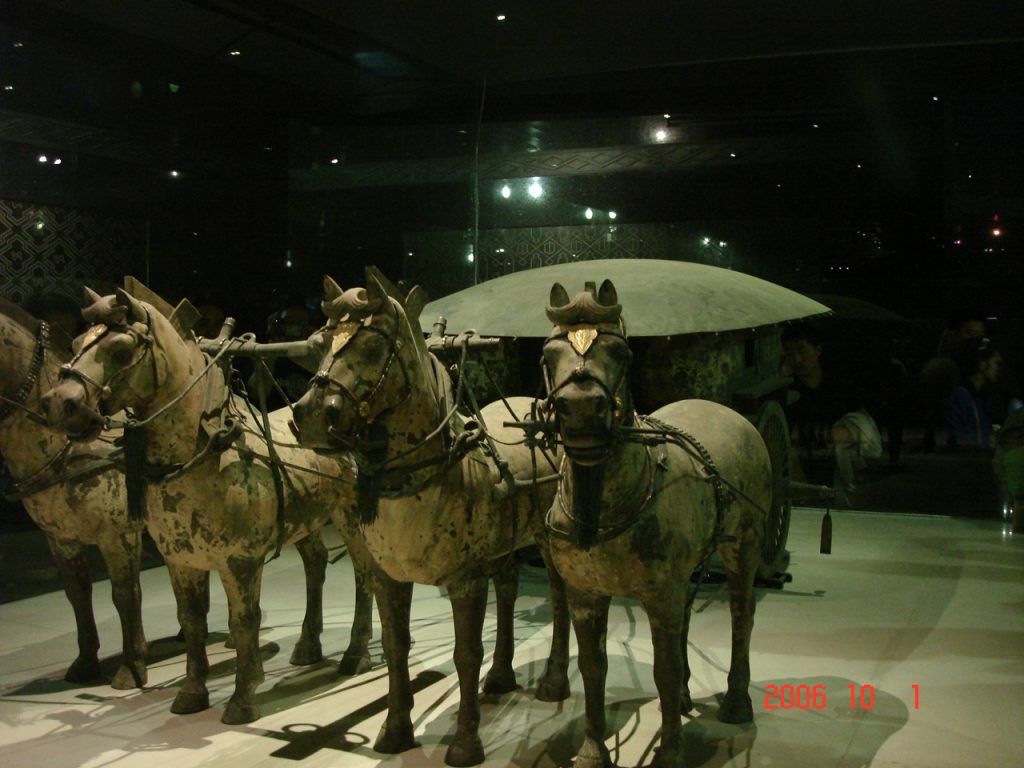
A good guide adds structure. They can explain why Pit 1 matters, why Pit 2 and Pit 3 should not be dismissed, how the Bronze Chariots fit the burial context, and how Qin Shi Huang connects to the whole museum. They can also help with route order and crowd decisions.
The value is not only historical facts. For first-time visitors, a guide can reduce uncertainty around entrance flow, walking direction, time control, and what to skip if the museum is crowded.
When independent travel works well
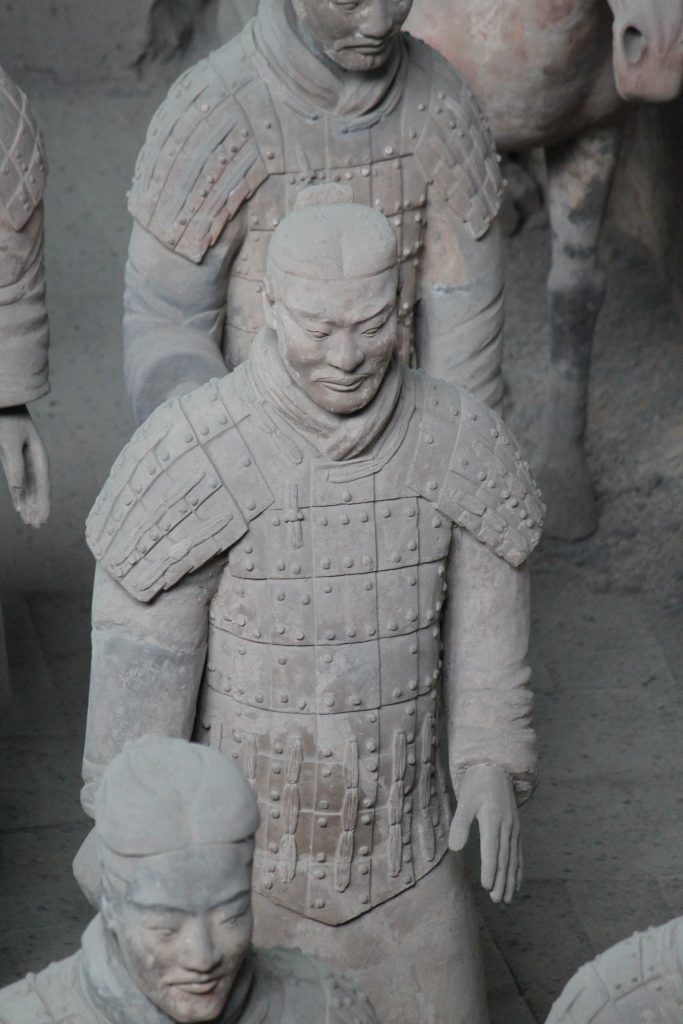
Independent travel works well if you enjoy reading before arrival, prefer your own pace, and are comfortable navigating tickets and transport. The museum route is manageable, but the meaning of the site can feel thin if you arrive with no background.
If you go independently, read the museum first-time guide, the Pit 1 guide, and the history page on who built the Terracotta Army before visiting.
Families, seniors, and first-time China visitors
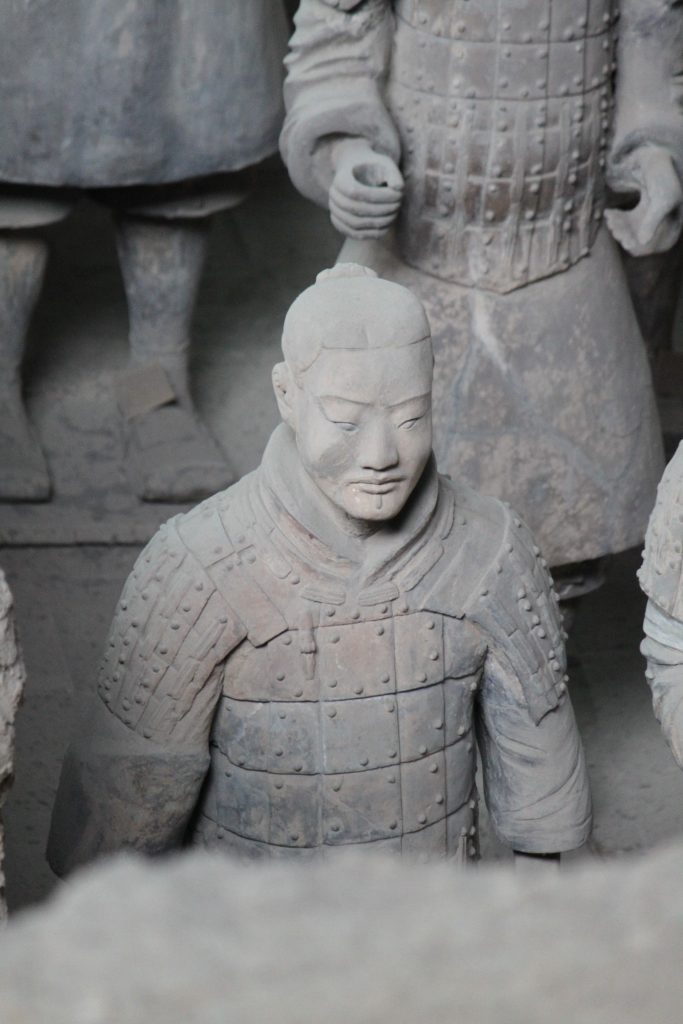
Families and senior travelers may benefit from a guide or arranged visit because pacing matters. A good plan reduces unnecessary walking, confusion, and time spent deciding what to do next. First-time China visitors may also value language support and clearer transport coordination.
If your group tires easily, the guide decision should include comfort, not only historical interest. A less stressful route can improve the whole day.
Questions to ask before booking
Clarify what is included. Is the service only transport, only guide interpretation, or both? Does the guide enter the museum with you? Is ticket assistance included? How much time is planned for Pit 1, Pit 2, Pit 3, and the Bronze Chariots? Is the schedule flexible if the site is crowded?
Do not judge only by price. A cheap arrangement that rushes the museum may be worse than going independently with good preparation.
How to decide
Choose a guide if this is your only visit and you want the site explained clearly. Choose independent travel if you value flexibility and have prepared. Choose a private transfer without a guide if transport is the main concern. Choose a slower guided route if history, family comfort, or senior travel needs matter most.
Pair this guide decision with the tickets guide, the transport guide, and the duration guide.
Before-you-go checklist
Decide whether interpretation or independence matters more. Confirm what any guide or transfer includes. Read background if going alone. Keep enough time for the smaller pits and exhibits. Do not let a rushed schedule reduce the museum to one photo stop.
What a guide changes inside the museum
A guide can connect the museum to Qin Shi Huang, the mausoleum, pit functions, excavation status, and the Bronze Chariots without making visitors read every label. This is especially useful because the site is visually powerful but easy to flatten into one famous hall.
Guide value also includes pacing. In a busy museum, knowing when to wait, when to move, and which stop can be shortened may improve the day more than another list of facts.
When independent travel is enough
Independent travel is reasonable if you are comfortable with ticket checks, transport, and background reading. It works best when you arrive with a few clear questions: what does each pit show, why does the mausoleum matter, and what should not be skipped if time is short?
Independent visitors should read the museum guide, the Pit 1 guide, and the history guide before arrival.
Booking questions that matter
Before booking a guide or transfer, confirm whether the service includes admission support, transport, in-museum interpretation, pickup time, waiting time, and return flexibility. A transfer is not the same thing as a guide, and a guide is not automatically a full-day tour manager.
For families, senior travelers, or first-time China visitors, the right choice may be the one that removes the most uncertainty rather than the one that appears cheapest.
How to judge guide quality
A good guide should make the museum easier to understand, not simply talk continuously. Listen for clear explanations of why each pit matters, how Qin Shi Huang connects to the site, what the Bronze Chariots add, and how the route should adjust if crowds are heavy.
For private arrangements, ask whether the guide can change the pace for children, senior travelers, photographers, or visitors with limited time. Flexibility is often more valuable than a memorized speech.
Related planning guides
- Terracotta Army Museum Guide for First-Time Visitors
- Pit 1 Guide at the Terracotta Army
- Who Built the Terracotta Army?
- Terracotta Army Tickets Guide
- How Long to Spend at the Terracotta Army
Official checks before you go
Ticket rules, opening hours, route access, and entry procedures can change during holidays, maintenance, weather events, or peak visitor periods. See the official ticketing information, the museum website, and the UNESCO World Heritage listing. Use those sources for baseline facts, then judge whether you need a guide for interpretation and pacing.
Terracotta Army Restoration: How Broken Fragments Become Museum Figures
Learn how Terracotta Army fragments are documented, matched, stabilised, and reassembled, why incomplete figures still matter, and what…

Terracotta Army Weapons: What the Arrowheads and Swords Tell You
Look beyond the warriors themselves with a practical guide to Terracotta Army weapons: bronze arrowheads, swords, missing wooden…
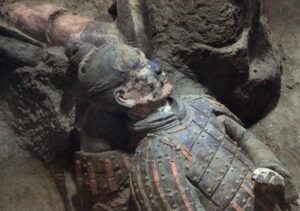
Why the Terracotta Army Looks Grey Today: The Story of Its Lost Colors
The Terracotta Army was originally painted. Learn why much of that colour disappeared after excavation, what visitors can…