The Terracotta Army was built for Emperor Qin Shi Huang, the first emperor of a unified China. For visitors, the useful point is not only the emperor's name. It is understanding why a ruler would create such a vast burial complex and how the warriors connect to power, protection, labor, belief, and the Qin state.
History answer in brief
- Short answer: the army was created as part of Qin Shi Huang's mausoleum project.
- Who made it: large numbers of organized workers, artisans, and specialists under imperial authority.
- Visitor takeaway: the warriors are part of a burial system, not isolated statues.
Who was Qin Shi Huang?
Qin Shi Huang was the ruler associated with the unification of China under the Qin Dynasty. His reign is tied to centralization, standardization, military power, and massive state projects. The Terracotta Army belongs to that world. It is a material expression of imperial ambition and burial belief.
When you visit, this background changes how you read the site. Pit 1 becomes more than rows of figures. Pit 2 and Pit 3 become organized parts of a military and ritual plan. The Bronze Chariots become evidence of craft, rank, and imperial symbolism.
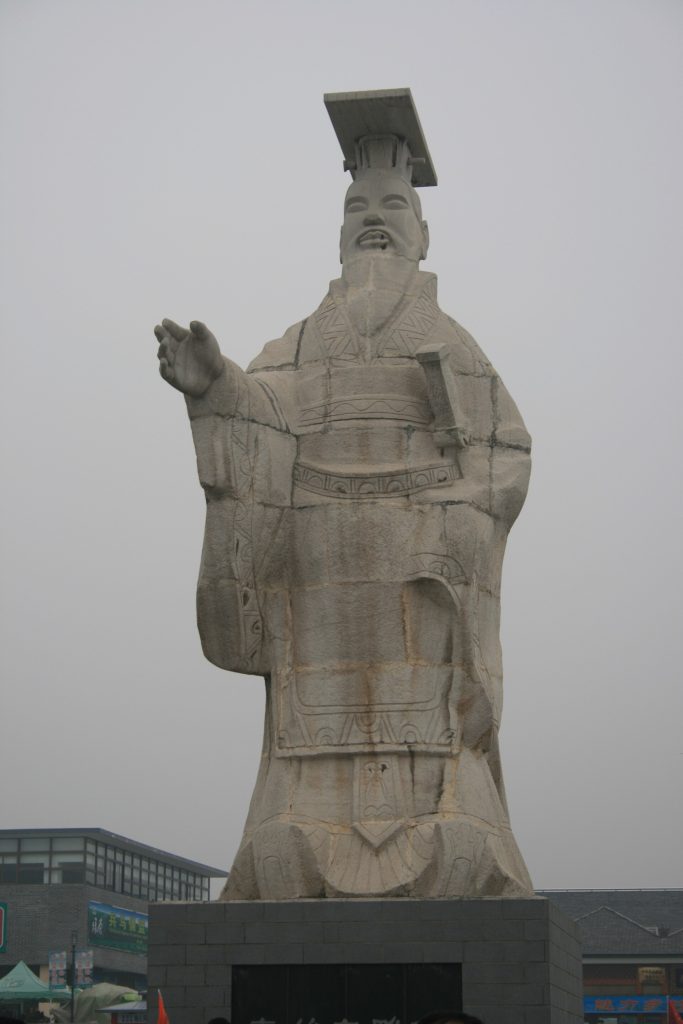
Who physically made the warriors?
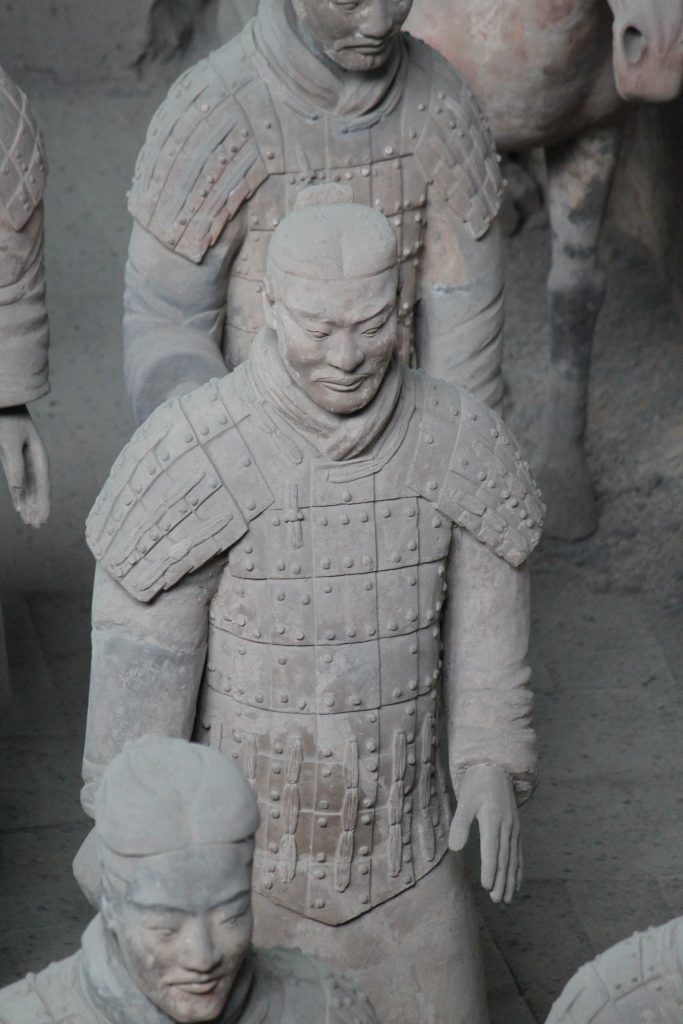
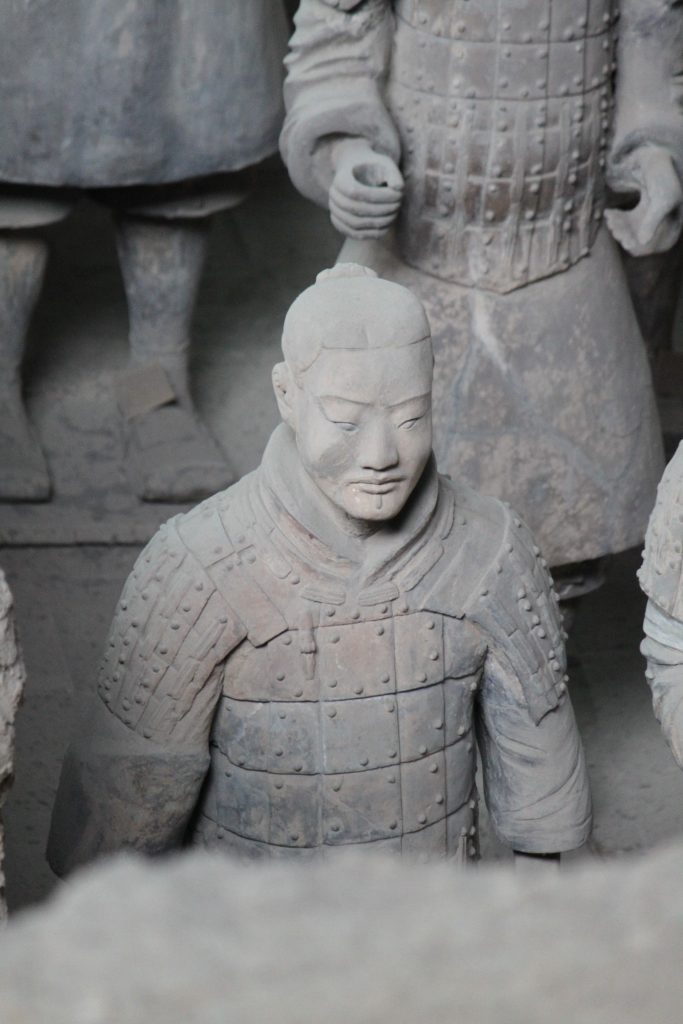
The warriors were not made by one artist working alone. They reflect organized labor, workshops, artisans, and state power. Repeated methods allowed large-scale production, while individual details make the figures feel human. This combination of system and variation is one reason the site feels so powerful.
Visitors should avoid imagining the army as a simple sculpture project. It was part of a larger mausoleum effort that required planning, materials, labor control, technical skill, and belief in the emperor's afterlife world.
Why build an army underground?
The usual visitor-facing explanation is that the army served and protected the emperor in the afterlife. The figures express order, military strength, status, and command. Standing in Pit 1, the message is easy to feel: this was a ruler who wanted power represented on an enormous scale.
The site also helps visitors understand Qin state organization. The warriors are not random. Their arrangement, roles, and relationship to the mausoleum landscape point to a planned system of protection and imperial identity.
What to notice at the museum
In Pit 1, notice scale and formation. In Pit 2, notice variety and excavation context. In Pit 3, notice command ideas. With the Bronze Chariots, notice craftsmanship and imperial symbolism. These areas work together to show why the army was built and how it supported the emperor's burial world.
Use the museum first-time guide and the Pit 1 guide before visiting if you want the history to support your route rather than remain abstract.
How this history helps planning
Knowing who built the army helps you decide what not to skip. If you only want the iconic view, Pit 1 may be enough emotionally. If you want to understand the site, you need the smaller pits, the exhibits, and the mausoleum context. History turns the visit from a photo stop into a structured museum experience.
If your main question is scale, read how many Terracotta Warriors there are. If your main question is route, read how to visit from Xi'an.
Before-you-go checklist
Learn the Qin Shi Huang context before arrival. Do not treat Pit 1 as the whole story. Leave time for smaller pits and exhibits. Ask your guide, if using one, to connect the route to the mausoleum story. Check official visitor information before finalizing ticket and transport plans.
Historical anchor for visitors
The short answer is that the Terracotta Army was created for Qin Shi Huang, the first emperor of a unified China. UNESCO describes the mausoleum in connection with the emperor and the vast buried world around him, which is the frame visitors should carry into the museum.
The practical visitor lesson is that the warriors were part of an imperial mausoleum project, not a standalone art installation. That changes how Pit 1, Pit 2, Pit 3, and the Bronze Chariots should be read.
Labor, workshops, and variation
The figures reflect organized labor and specialized craft under state power. They also show variation in faces, posture, armor, and roles. This combination of system and individuality is one reason the site feels more human than a simple mass-produced display.
When walking the route, ask where you see standardization and where you see difference. That question works well for families and first-time visitors because it turns history into something visible.
How this affects the route
If the army was built for a mausoleum world, the smaller stops are not trivia. Pit 2 and Pit 3 show organization, while the Bronze Chariots show status, movement, and craft. They help explain the system behind the famous rows.
Read this history page with the numbers guide and the museum guide if you want the visit to feel grounded rather than only spectacular.
Related planning guides
- Terracotta Army Museum Guide for First-Time Visitors
- Pit 1 Guide at the Terracotta Army
- How Many Terracotta Warriors Are There?
- How to Visit the Terracotta Army from Xi’an
Official checks before you go
For historical framing, use the UNESCO listing and the official museum site as authority for the mausoleum context of Qin Shi Huang. See the official ticketing information, the museum website, and the UNESCO World Heritage listing. Use those sources to keep the Qin Shi Huang and mausoleum context accurate.
Qin Shi Huang Mausoleum After the Terracotta Army: Is It Worth Adding?
Decide whether to add Qin Shi Huang Mausoleum after the Terracotta Army, with visitor-fit advice, route priorities, time,…
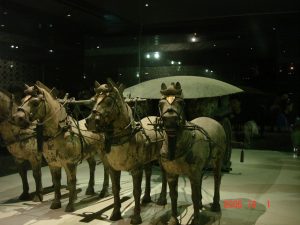
Bronze Chariots Guide at the Terracotta Army
A visitor guide to the Bronze Chariots at the Terracotta Army, including why they matter, what to notice,…
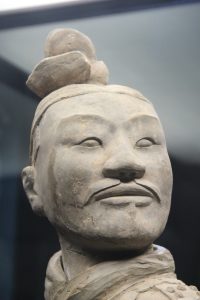
How Many Terracotta Warriors Are There?
A practical facts guide to how many Terracotta Warriors there are, why numbers vary, and how visitors should…