The Bronze Chariots are easy to underrate if you arrive focused only on rows of warriors. They are smaller in scale than Pit 1, but they add a different kind of value: craftsmanship, burial context, imperial symbolism, and detail that helps connect the Terracotta Army to the wider mausoleum story.
Bronze Chariots viewing priorities
- Best for: visitors who want detail after the main pit views.
- Do not skip if: you care about craft, burial symbolism, or Qin imperial context.
- Route role: a strong supporting stop after Pit 1, Pit 2, and Pit 3.
Why the Bronze Chariots matter
Pit 1 impresses through scale. The Bronze Chariots impress through detail. They remind visitors that the mausoleum project was not only about soldiers in formation, but also about craft, status, vehicles, ritual meaning, and the emperor's afterlife world.
This shift in scale is useful. After the large halls, the chariots ask you to slow down and notice technique, proportion, and symbolism. They make the visit feel richer than a sequence of pit views.
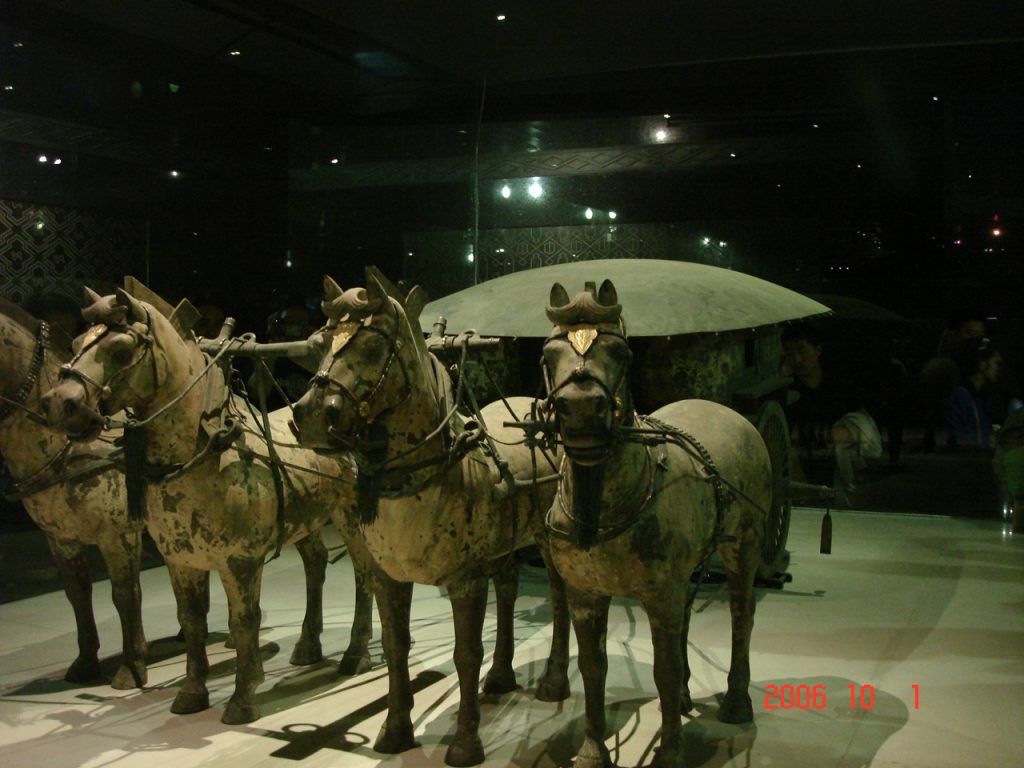
What to look for
Look for fine workmanship, vehicle form, animal detail, and the sense of imperial display. The chariots help visitors understand that the burial complex represented an ordered world around the emperor. They are not side decoration; they are part of the same logic of power and protection.
If labels are crowded or hard to read, focus on the contrast with the pits. The warriors show mass formation. The chariots show elite craft and symbolic movement within the burial context.
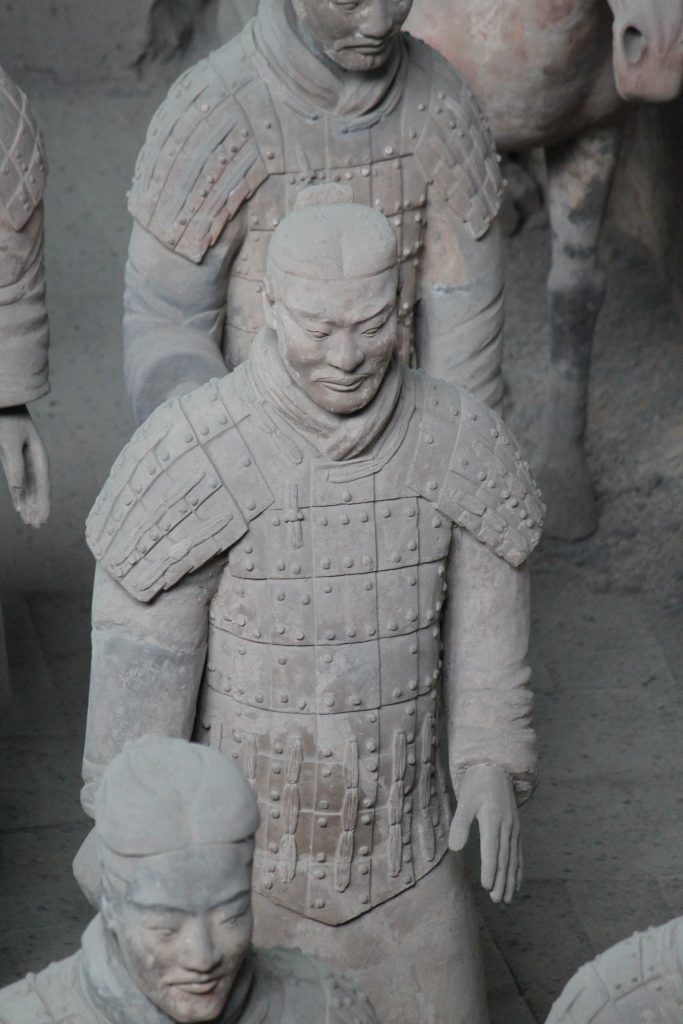
Where to place them in your route
The Bronze Chariots usually work best after you have seen at least Pit 1. Once the scale of the army is clear, the chariots can add nuance. If you see them too early, you may appreciate the objects but miss how they balance the larger military impression.
On a half-day visit, decide in advance whether they matter to you. If you are history-focused, protect time for them. If you are extremely rushed, at least give them a brief purposeful stop rather than wandering without context.
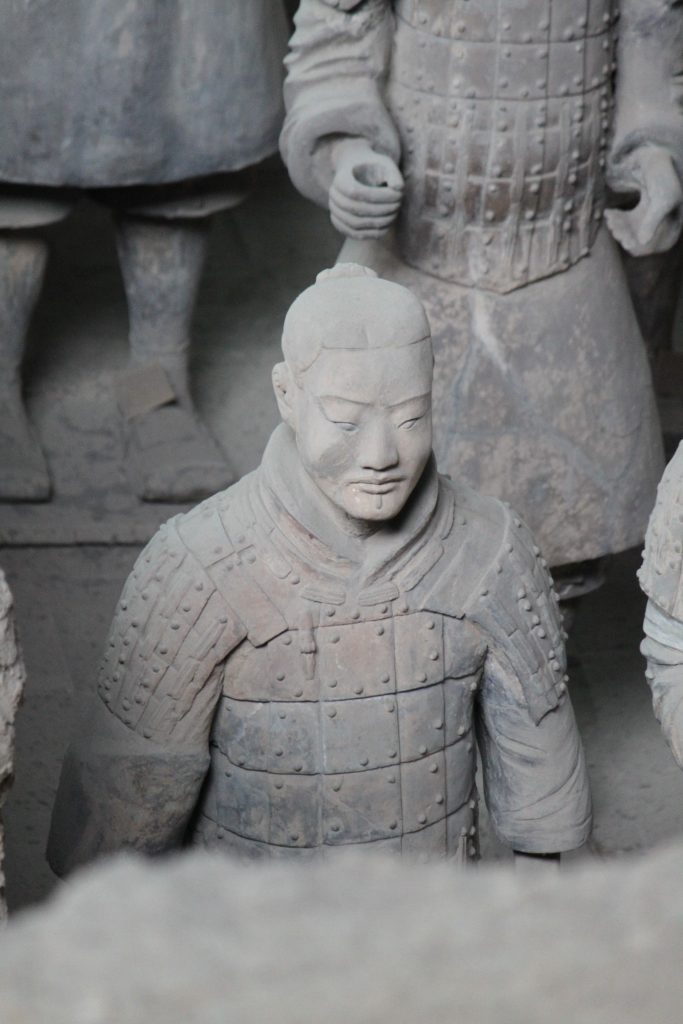
How long to spend
The Bronze Chariots do not need as much time as Pit 1 for most first-time visitors, but they reward careful looking. A short, focused stop can be enough for casual visitors. History and craft-focused travelers should slow down and read more carefully.
If you are with a guide, ask how the chariots connect to Qin Shi Huang's mausoleum and why they matter beyond their technical beauty.
How they connect to the pits
Pit 1 gives the army's visual power. Pit 2 gives variety. Pit 3 gives command. The Bronze Chariots give craft and imperial context. Together they make a first visit feel complete. Skipping the chariots is possible, but it narrows the story.
Read the museum first-time guide, the Pit 2 guide, and the Pit 3 guide if you want the full route to fit together.
Before-you-go checklist
Do not treat the chariots as a gift-shop-adjacent extra. Use them to understand craft and burial symbolism. Visit after Pit 1 if possible. Leave enough time to look at details. Connect them with the Qin Shi Huang mausoleum story before leaving the museum.
What makes the Bronze Chariots different
The Bronze Chariots are not trying to compete with Pit 1 for scale. Their value is detail: vehicle form, craft, symbolic movement, and the elite world imagined around the emperor. They help visitors see that the mausoleum project was about more than soldiers in formation.
This contrast is useful near the end of a museum route. After large halls and repeated figures, the chariots force a slower kind of looking.
How to look without getting lost in labels
Start with the object as a whole, then move to the horses, fittings, proportions, and sense of display. Ask what the chariots show that the pits do not. The answer is usually status, movement, craft, and imperial context.
If the display is crowded, do not try to read every label at once. Give the object a clear purpose in your route: it connects the famous army to the wider burial world of Qin Shi Huang.
When to protect time for them
Protect time for the Bronze Chariots if you care about archaeology, craft, ancient technology, or the mausoleum story. If your group is very rushed, a brief focused stop is still better than wandering past without context.
Read this page with the history guide and the museum guide so the chariots feel like part of the route rather than an extra object after the main attraction.
Why they help after the pits
After Pit 1, Pit 2, and Pit 3, many visitors have been thinking in terms of rows, halls, and formations. The Bronze Chariots change the scale of attention. They make the mausoleum story more personal because visitors can inspect craft choices rather than only absorb mass impact.
This is why they work well as a later stop. The chariots are not a replacement for the pit sequence; they are a different lens on the same imperial project. A visitor who sees them with that frame usually gets more from a shorter stop.
Related planning guides
- Terracotta Army Museum Guide for First-Time Visitors
- Pit 1 Guide at the Terracotta Army
- Pit 2 Guide at the Terracotta Army
- Pit 3 Guide at the Terracotta Army
- Who Built the Terracotta Army?
Official checks before you go
Ticket rules, opening hours, route access, and entry procedures can change during holidays, maintenance, weather events, or peak visitor periods. See the official ticketing information, the museum website, and the UNESCO World Heritage listing. Use those sources to connect the chariots with the wider Qin mausoleum story.
Terracotta Army Restoration: How Broken Fragments Become Museum Figures
Learn how Terracotta Army fragments are documented, matched, stabilised, and reassembled, why incomplete figures still matter, and what…
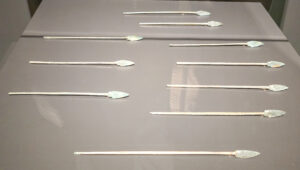
Terracotta Army Weapons: What the Arrowheads and Swords Tell You
Look beyond the warriors themselves with a practical guide to Terracotta Army weapons: bronze arrowheads, swords, missing wooden…
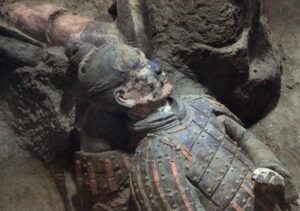
Why the Terracotta Army Looks Grey Today: The Story of Its Lost Colors
The Terracotta Army was originally painted. Learn why much of that colour disappeared after excavation, what visitors can…