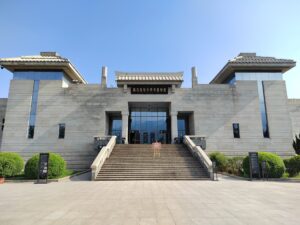
The Terracotta Army Museum is not a single hall of warriors. It is a visitor route through multiple excavation pits, artifact displays, and the wider mausoleum story of Emperor Qin Shi Huang. First-time visitors usually enjoy the site more when they know what each area contributes and how the route should fit their available time.
Museum route at a glance
- Main highlight: Pit 1, the largest and most iconic warrior hall.
- Do not skip: Pit 2, Pit 3, and the Bronze Chariots if you want the visit to make sense beyond photos.
- Good visit length: two to three hours inside for most visitors, longer with a guide or deep history interest.
How the museum fits together
Think of the museum as a sequence of questions. Pit 1 answers scale. Pit 2 answers variety and excavation context. Pit 3 answers command structure. The Bronze Chariots shift your attention from rows of warriors to craftsmanship, burial symbolism, and imperial detail. Seen together, these areas make the site feel like an archaeological system rather than a single famous photo.
The museum is also a practical travel experience. Crowds, route order, walking, weather, and explanation style can change how much you absorb. A visitor who arrives with no plan may still be impressed, but a visitor with a simple route will usually leave with a clearer memory of what was seen.
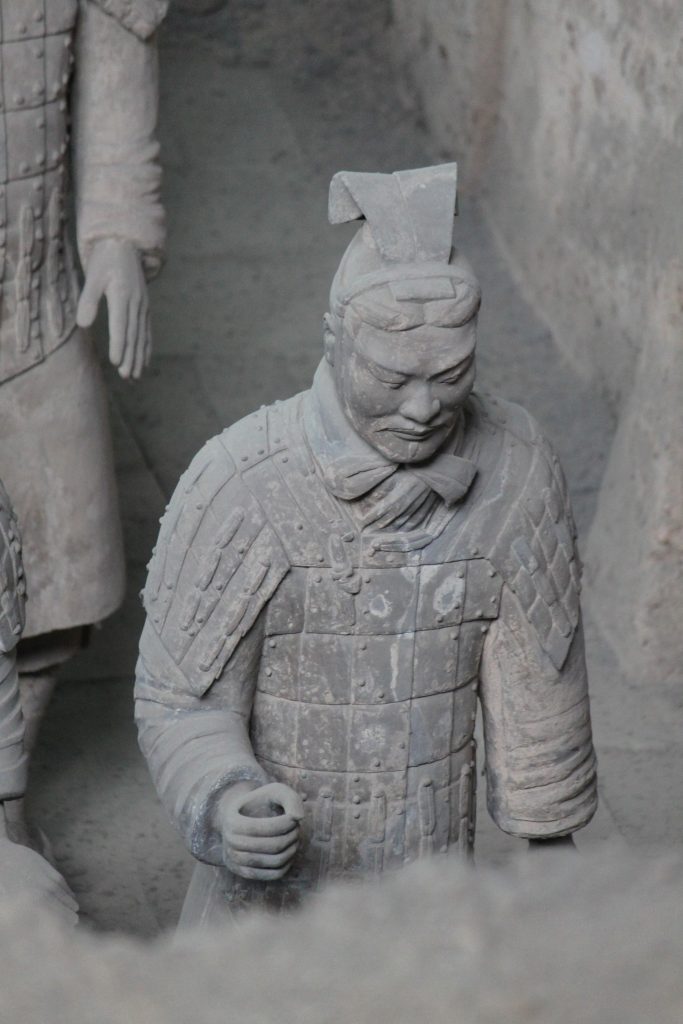
Pit 1: the main army view
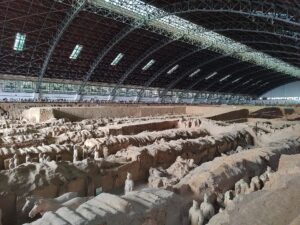
Pit 1 is the hall most people imagine before visiting. Give it your best attention. Start with the wide view, then move slowly along the railings and compare restored rows with less complete sections. Notice the hall itself, the working areas, and the difference between a dramatic display and an active archaeological site.
If crowds are heavy, do not panic at the first viewpoint. Move along the route, wait for openings, and return to a better angle if time allows. The focused Pit 1 guide explains what to look for if you want more than a quick photo.
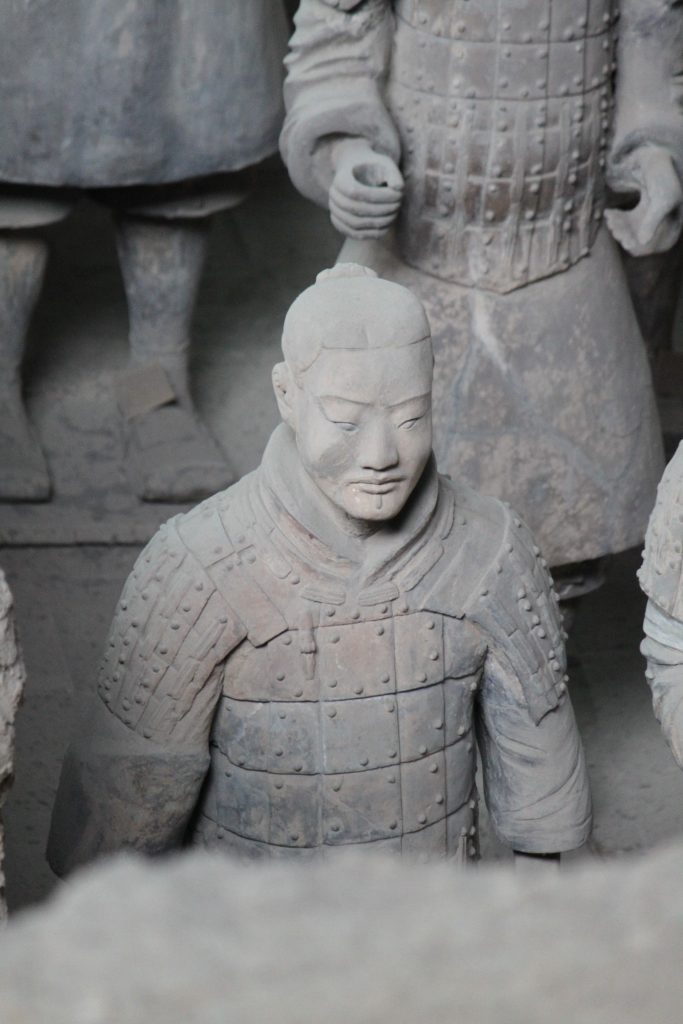
Pit 2 and Pit 3
Pit 2 is often less immediately dramatic, but it gives important context about different military roles, formation variety, and excavation status. Pit 3 is smaller, yet it helps visitors understand command structure and organization. These areas matter because they show that the buried army was designed as a system.
If time is short, still give each smaller pit a purposeful look. If time is generous, read the dedicated Pit 2 guide and Pit 3 guide before your visit so the quieter halls do not feel like afterthoughts.
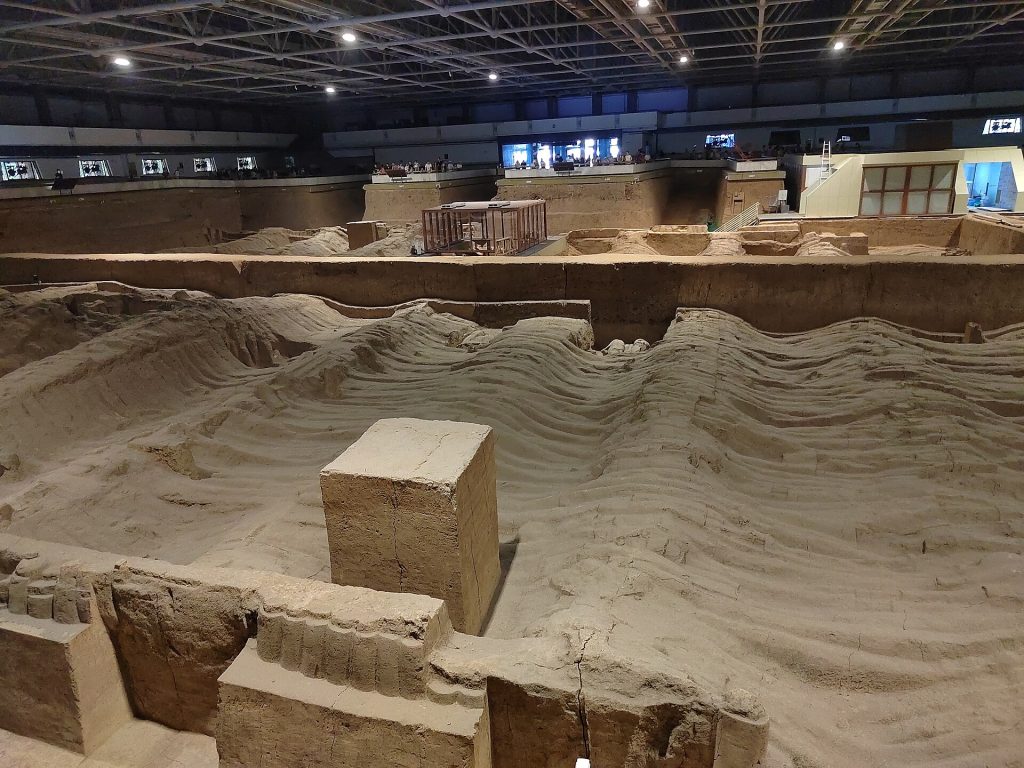
Bronze Chariots and exhibits
The Bronze Chariots and related exhibits change the scale of the visit. Instead of reading long rows of figures, you focus on fine detail, craft, symbolic power, and the burial world around the emperor. They are especially useful for visitors who want historical texture after the impact of Pit 1.
Do not leave the exhibits only for the last five tired minutes. If your group is moving slowly, decide in advance whether the Bronze Chariots matter more than an extra photo angle in Pit 1. The Bronze Chariots guide helps with that choice.
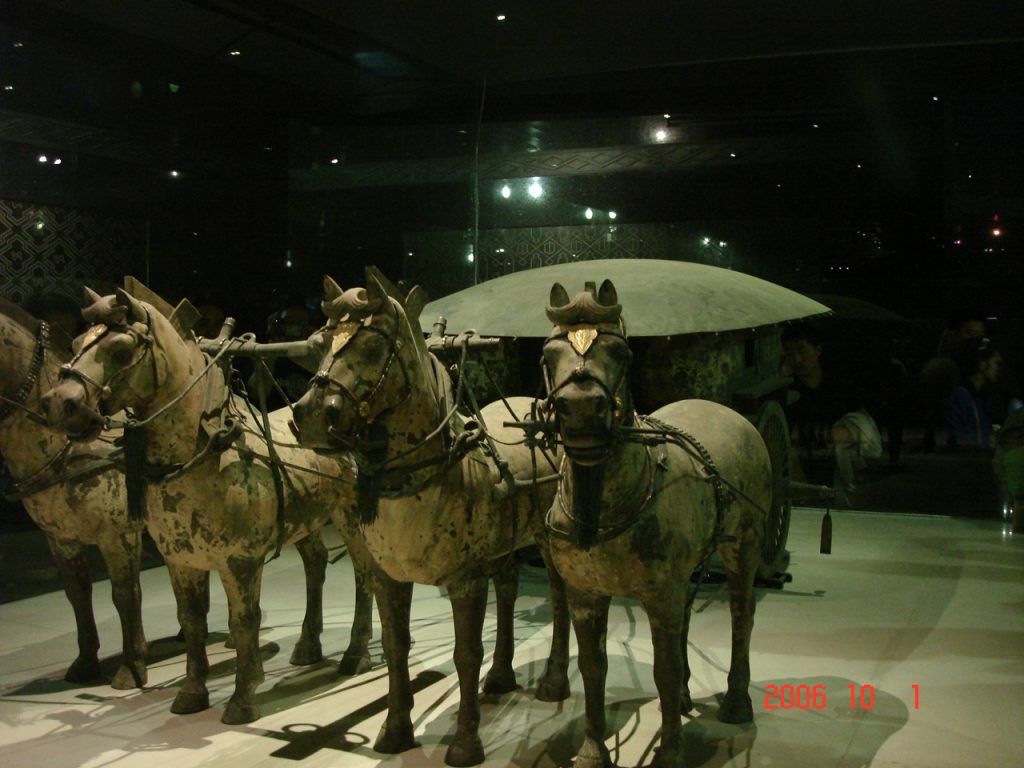
Guide or independent route
A guide can make the museum easier to understand because the site is visually powerful but historically dense. Independent visitors can still do well with preparation. The key is to avoid treating the museum as a walk from photo to photo. Decide whether you want interpretation, translation help, route control, or a quieter self-paced visit.
Use the guide comparison page if you are unsure. First-time visitors with limited time often benefit from a guide; repeat visitors, photographers, and independent travelers may prefer more control.
How to use this guide
Read this museum overview with the first-time visit plan, the tickets guide, and the transport guide. Together they answer the core questions: how to enter, how to get there, what to see first, how long to stay, and how to avoid leaving the museum with only one famous image in mind.
Official context worth knowing
UNESCO lists the Mausoleum of the First Qin Emperor as a World Heritage Site, and that is the right frame for the museum. The warriors are not isolated statues; they are part of a much larger mausoleum landscape connected with Qin Shi Huang and imperial burial ideas.
The official ticketing page describes both the Terracotta Army Museum and Lishan Garden under the Qin Shi Huang Mausoleum Museum ticket framework. First-time visitors do not have to see every wider area, but they should understand that the famous pits are part of a broader archaeological setting.
How to read each major stop
In Pit 1, look for scale, formation, depth, and the contrast between restored rows and excavation areas. In Pit 2, look for variety and the fact that archaeology is still visible as a process. In Pit 3, ask why a smaller area can still explain command. With the Bronze Chariots, slow down and shift from scale to detail.
This way of reading the museum is more useful than chasing every label. It gives each hall a job, which helps casual visitors, children, and first-time China travelers remember the visit after the initial surprise has worn off.
Route mistakes to avoid
Do not spend all your energy at the first crowded rail in Pit 1. Move, compare angles, and leave enough time for the supporting halls. Do not leave the Bronze Chariots only for the final exhausted minutes if craft and mausoleum context matter to you.
If a guide changes the order because of crowd flow, judge the route by whether it still protects the four core meanings: scale, variety, command, and craft. The exact order can change; the purpose of the stops should not.
Related planning guides
- How to Visit the Terracotta Army from Xi’an
- Pit 1 Guide at the Terracotta Army
- Pit 2 Guide at the Terracotta Army
- Pit 3 Guide at the Terracotta Army
- Bronze Chariots Guide at the Terracotta Army
Official checks before you go
Ticket rules, opening hours, route access, and entry procedures can change during holidays, maintenance, weather events, or peak visitor periods. See the official ticketing information, the museum website, and the UNESCO World Heritage listing. Use those sources to separate stable museum context from operational details that may change.
Terracotta Army Museum Route Order: Which Pits to See First
Plan a practical Terracotta Army museum route order, including Pit 1, Pit 2, Pit 3, bronze chariots, crowds,…
Why Are There Walls Between the Terracotta Warriors in Pit 1?
The earth walls in Pit 1 reveal an underground structure, not just rows of warriors. Follow the corridors,…
Qin Civil Officials at the Terracotta Army: What Pit K0006 Reveals
Discover the Qin mausoleum civil officials of Pit K0006: why their folded sleeves, charioteers, colours, and separate setting…