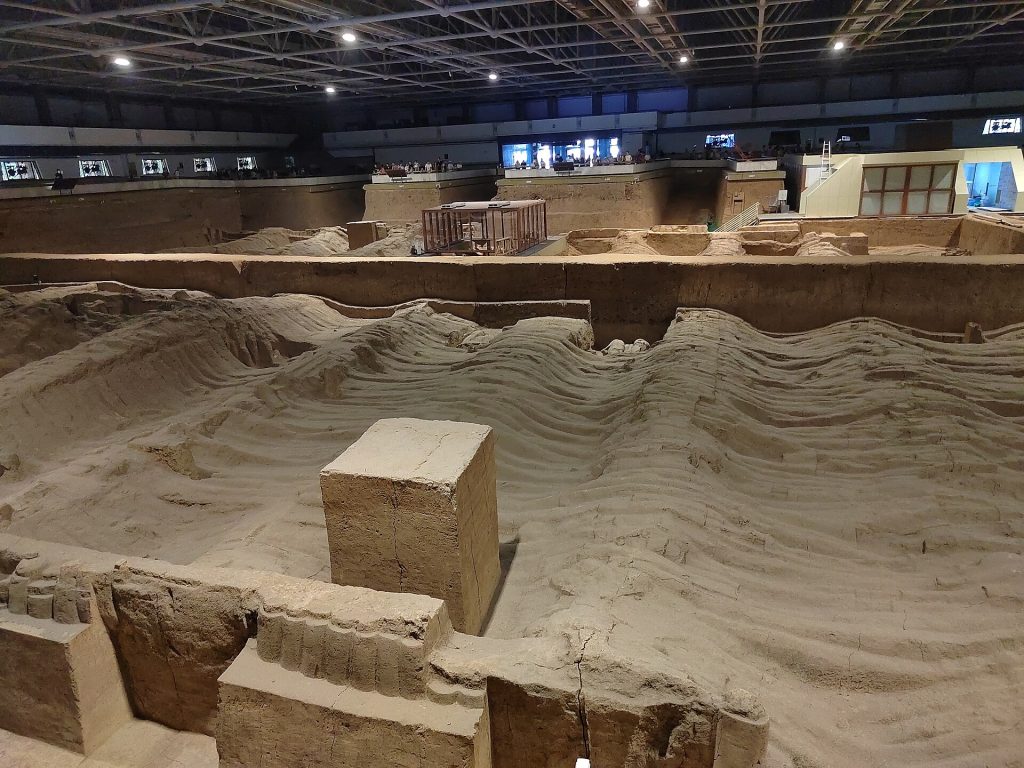
Pit 2 is often misunderstood because it does not always create the same instant visual impact as Pit 1. That does not make it unimportant. Pit 2 helps visitors understand variety, excavation context, and the wider military plan behind the Terracotta Army.
Pit 2 viewing priorities
- Best for: visitors who want context after the main Pit 1 view.
- Do not expect: the same wide-row visual drama as Pit 1.
- Visitor value: understanding variety, roles, and archaeology rather than only scale.
Why Pit 2 matters
Pit 1 shows scale. Pit 2 helps explain that the army was not just one repeated image. It points to different military roles, formation ideas, excavation status, and interpretation. For travelers who want the museum to make sense, Pit 2 is one of the most important supporting areas.
If you enter Pit 2 expecting another Pit 1, you may feel underwhelmed. If you enter asking what the site was trying to organize, the hall becomes much more useful.
What to look for
Look for evidence of variety and incompleteness. The point is not only what has been restored, but what the excavation tells you about the broader plan. Compare the feel of Pit 2 with Pit 1: one gives impact, the other asks you to think more carefully about how the army was arranged.
This is where a guide or prior reading can help. Without context, visitors may move through too quickly and miss why the hall matters.
When to visit Pit 2 in the route
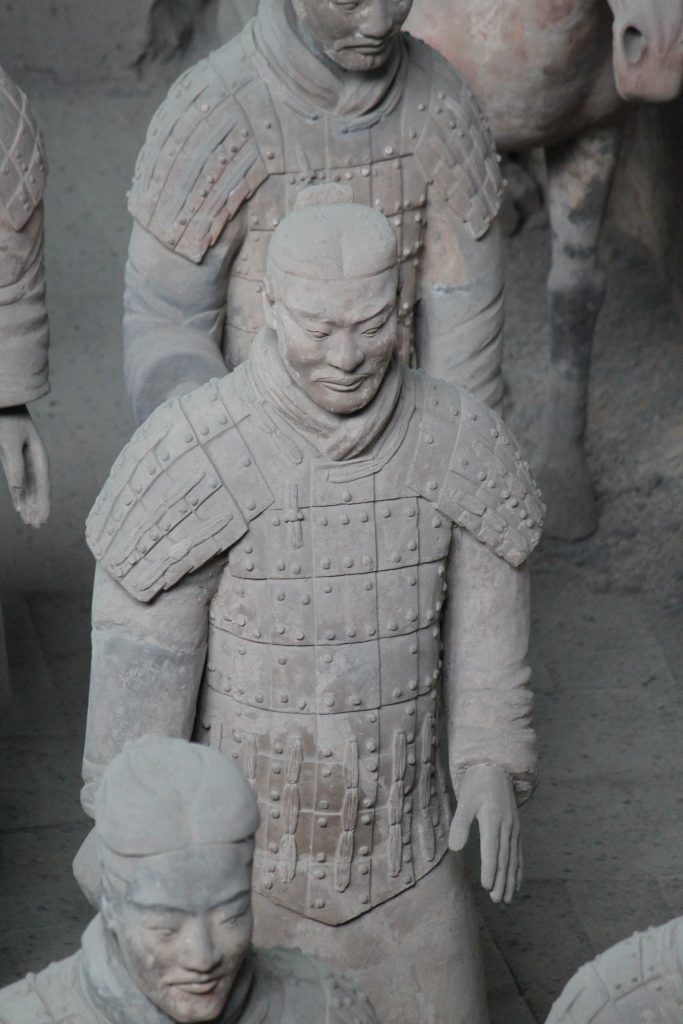
Many visitors see Pit 2 after Pit 1, when the main scale has already been established. This order works well because Pit 2 then answers questions created by Pit 1. If crowds are heavy, a guide may adjust the order, but Pit 2 should still have a clear purpose in the route.
Use the museum first-time guide if you want a complete route that connects Pit 2 with Pit 1, Pit 3, and the Bronze Chariots.
How long to spend
Pit 2 does not need to take as long as Pit 1 for most first-time visitors, but it deserves more than a walk-through. Give it enough time to understand why the hall exists and how it changes your reading of the army. History-focused visitors should slow down.
If you are on a half-day route, keep Pit 2 focused. If you have a guide, ask for the main differences between Pit 1 and Pit 2 rather than only a general description.
How Pit 2 connects to Pit 3 and the Bronze Chariots
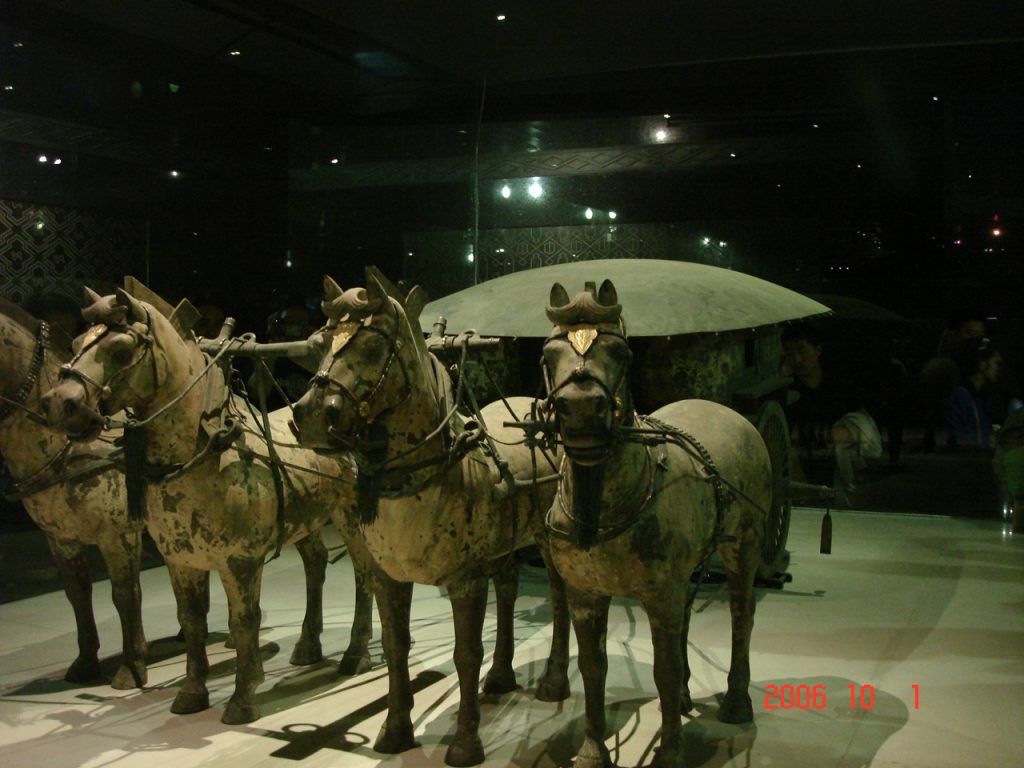
Pit 2 supports the idea of variety, Pit 3 supports the idea of command, and the Bronze Chariots support the idea of craftsmanship and imperial burial context. Together they make the museum feel more complete. Without them, the visit can become too dependent on Pit 1.
Continue with the Pit 3 guide and the Bronze Chariots guide if you want to understand the supporting areas clearly.
Before-you-go checklist
Do not judge Pit 2 only by visual drama. Use it to understand variety and excavation context. Visit after Pit 1 if possible. Ask what differs from the main hall. Keep enough time for Pit 3 and the Bronze Chariots as well.
Why Pit 2 is easy to misunderstand
Pit 2 may not deliver the same immediate wide-view impact as Pit 1, but it is one of the best places to understand variety, excavation context, and the idea that the army was more complex than repeated rows of infantry.
Visitors who enter expecting another Pit 1 often move too fast. Visitors who enter asking what roles, formations, and archaeological uncertainty look like usually get more from the hall.
What to notice slowly
Look for differences from Pit 1: less simple visual drama, more interpretive value, and more reason to think about how archaeology turns fragments into understanding. The hall helps explain why estimates, labels, and restored displays can differ across sources.
If you have a guide, ask for one concise comparison between Pit 1 and Pit 2. If you are independent, read the pit description before arrival so the stop has a clear purpose.
How Pit 2 supports the full route
Pit 2 should normally come after the main scale of Pit 1 has been established. It prepares visitors to understand Pit 3 as command context and the Bronze Chariots as a shift from military formation to craft and imperial detail.
Use Pit 2 with Pit 1, Pit 3, and the Bronze Chariots rather than judging it as an isolated attraction.
What makes Pit 2 useful for visitors
Pit 2 deserves its own guide because many travelers search for it after seeing museum route suggestions and wondering whether it is worth time. The useful answer is not just yes or no. It depends on whether the visitor wants a photo highlight, an archaeological explanation, or a fuller understanding of the army's organization.
The page should therefore answer practical questions: why Pit 2 looks different, when to see it, how long to allow, what a guide can explain, and how it connects to the rest of the museum. Those are the details that make the content feel written for an actual visitor rather than for a keyword list.
Related planning guides
- Terracotta Army Museum Guide for First-Time Visitors
- Pit 1 Guide at the Terracotta Army
- Pit 3 Guide at the Terracotta Army
- Bronze Chariots Guide at the Terracotta Army
Official checks before you go
Ticket rules, opening hours, route access, and entry procedures can change during holidays, maintenance, weather events, or peak visitor periods. See the official ticketing information, the museum website, and the UNESCO World Heritage listing. Use those sources to support pit-specific context and current visitor arrangements.
Terracotta Army Restoration: How Broken Fragments Become Museum Figures
Learn how Terracotta Army fragments are documented, matched, stabilised, and reassembled, why incomplete figures still matter, and what…
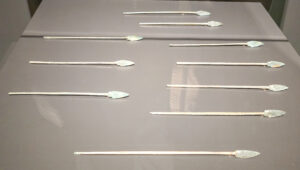
Terracotta Army Weapons: What the Arrowheads and Swords Tell You
Look beyond the warriors themselves with a practical guide to Terracotta Army weapons: bronze arrowheads, swords, missing wooden…
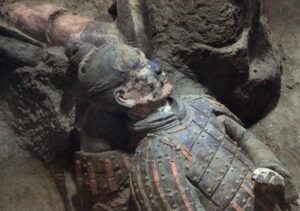
Why the Terracotta Army Looks Grey Today: The Story of Its Lost Colors
The Terracotta Army was originally painted. Learn why much of that colour disappeared after excavation, what visitors can…