Pit 1 is the heart of most Terracotta Army visits. It is the largest and most recognizable viewing hall, and it gives first-time visitors the clearest sense of the buried army's scale. But Pit 1 is not just a photo stop. It is where you begin to read formation, restoration, excavation, and the difference between a finished display and an archaeological site.
Pit 1 viewing priorities
- Best for: the iconic first view and main museum photos.
- Do not rush: give Pit 1 enough calm time before moving on.
- Pair with: Pit 2, Pit 3, the Bronze Chariots, and the museum overview for context.
What you see in Pit 1
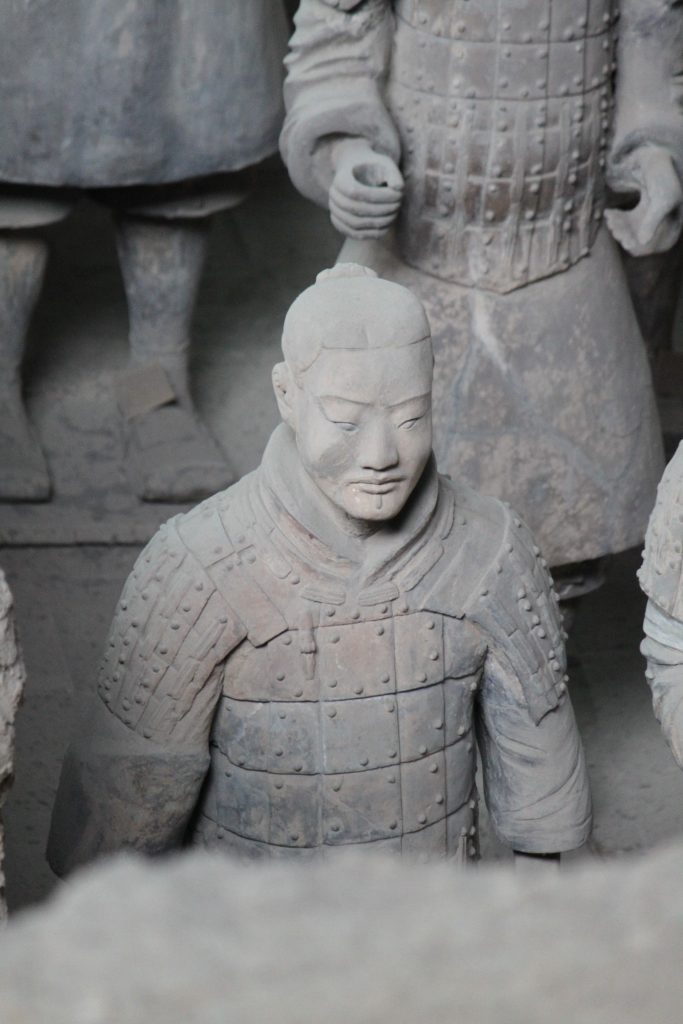
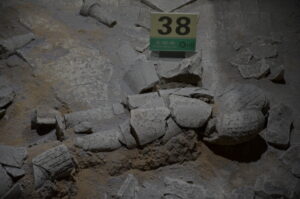
Visitors look down and across a large excavation space with rows of restored warriors. The hall makes the army feel organized and monumental. Look not only at the front rows, but also at broken sections, working areas, columns, depth, and the way the figures are arranged.
Those details remind you that the museum is an archaeological site, not a finished sculpture gallery. The contrast between restored rows and incomplete areas helps explain why excavation, conservation, and interpretation are part of the visitor experience.
Best way to view it
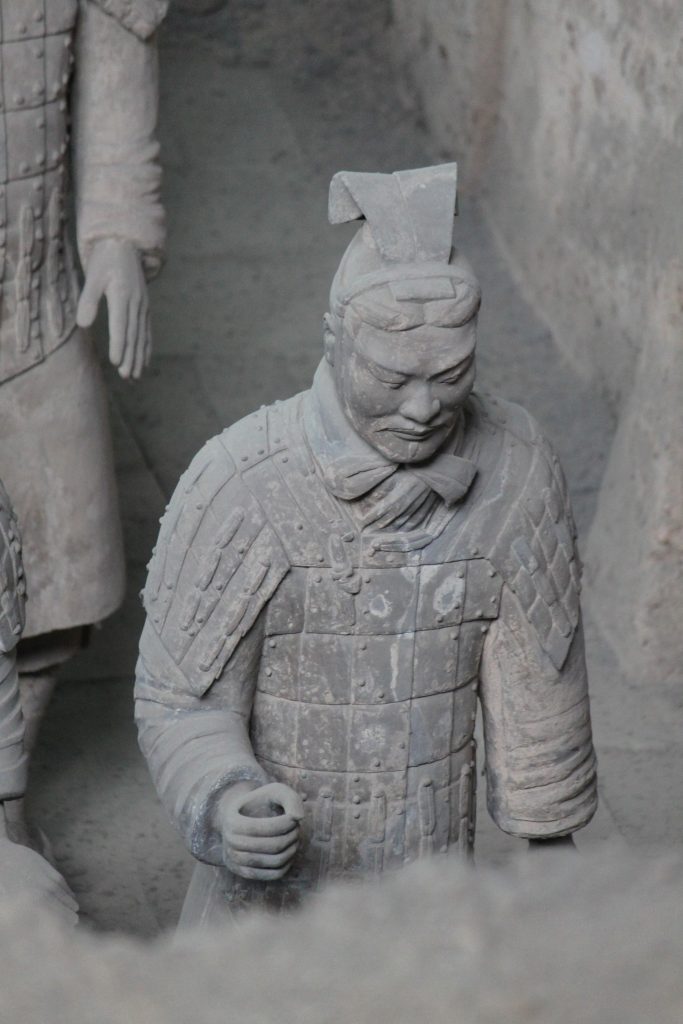
Start with the wide view. Let the scale settle before trying to photograph details. Then move along the viewing route and compare angles. Some places show the rows better; others show restoration, depth, and the working nature of the site. If you are with a guide, listen first and photograph afterward.
If the front rail is crowded, do not waste all your time fighting for one angle. Move along the side, look for a quieter gap, and return later if your route allows it. Pit 1 is large enough that one crowded viewpoint should not define the whole visit.
How long to spend
Many visitors should spend at least 30 to 45 minutes in Pit 1, longer if they are history-focused, traveling with a guide, or visiting during a busy period. If total museum time is short, protect Pit 1 from being squeezed. If time is generous, let Pit 1 raise questions that the smaller pits answer.
Use the how long to spend guide if you are balancing Pit 1 with Pit 2, Pit 3, Bronze Chariots, toilets, photos, and return transport.
Photography and crowd notes
Pit 1 is popular, so photo patience matters. Avoid blocking the railing for too long and be realistic about crowds. A clean photo is useful, but the better memory is understanding what you saw. If your group includes children or seniors, choose a calmer viewing rhythm over one perfect shot.
Morning can help on some days, but no timing rule defeats holiday crowds. If you are visiting during a peak period, focus on route control, patience, and a simple itinerary rather than trying to force an empty-hall experience.
What Pit 1 does not explain alone
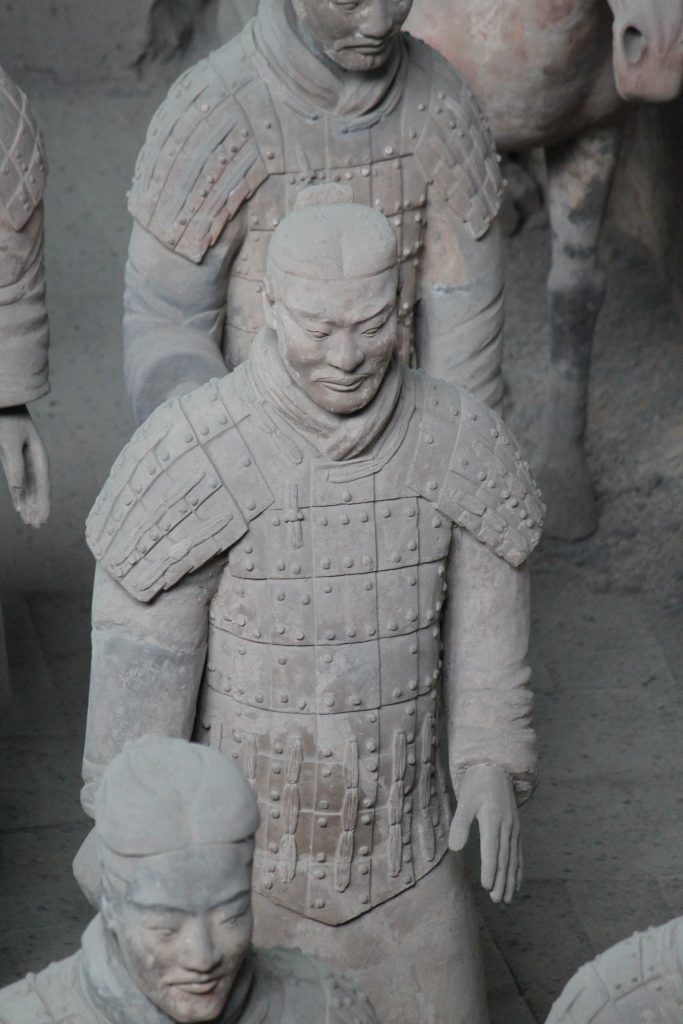
Pit 1 gives scale, but not the whole story. Pit 2 helps with variety and excavation context. Pit 3 helps with command structure. The Bronze Chariots add craft and burial detail. Treat Pit 1 as the opening argument, not the entire museum.
Read the museum first-time guide, the Pit 2 guide, and the Pit 3 guide if you want the full route to make sense.
Before-you-go checklist
Protect enough time for Pit 1. Start with the wide view. Move along the route instead of crowding one rail. Use the smaller pits for context. Keep your camera ready but do not let photography replace looking. Pair Pit 1 with official ticket and transport checks before leaving Xi'an.
Official and archaeological context
Pit 1 is the visual center of most visits, but it should be read as part of the Qin Shi Huang mausoleum system. UNESCO frames the site as the Mausoleum of the First Qin Emperor, which helps explain why scale, formation, and burial symbolism matter.
The hall also shows that archaeology is not a finished display case. Restored rows, broken sections, and excavation areas all belong to the story. Visitors who notice that contrast understand more than visitors who only aim for one wide photo.
How to spend your time in Pit 1
Start wide, then move slowly. Compare the front rows with side views, look at the depth of the hall, and notice how different parts of the pit feel more complete or more fragmentary. If a viewpoint is crowded, move on and return later if the route allows.
Thirty to forty-five minutes is a sensible baseline for many first-time visitors, but the right time depends on crowds, guide explanation, photography, and total museum pace. Do not let Pit 1 consume the whole visit if you still want Pit 2, Pit 3, and the Bronze Chariots to make sense.
Natural next stops
After Pit 1, use Pit 2 to understand variety and excavation context, then Pit 3 for command structure. The Bronze Chariots are a strong later stop because they shift attention from mass formation to craft and imperial detail.
For a fuller route, read the Pit 2 guide, Pit 3 guide, and Bronze Chariots guide before arrival.
Related planning guides
- Terracotta Army Museum Guide for First-Time Visitors
- Pit 2 Guide at the Terracotta Army
- Pit 3 Guide at the Terracotta Army
- Bronze Chariots Guide at the Terracotta Army
- How Long to Spend at the Terracotta Army
Official checks before you go
Ticket rules, opening hours, route access, and entry procedures can change during holidays, maintenance, weather events, or peak visitor periods. See the official ticketing information, the museum website, and the UNESCO World Heritage listing. Use those sources for heritage framing and current entry rules before planning the museum route.

Terracotta Army Museum Route Order: Which Pits to See First
Plan a practical Terracotta Army museum route order, including Pit 1, Pit 2, Pit 3, bronze chariots, crowds,…
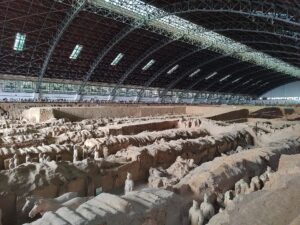
Why Are There Walls Between the Terracotta Warriors in Pit 1?
The earth walls in Pit 1 reveal an underground structure, not just rows of warriors. Follow the corridors,…
Terracotta Army Restoration: How Broken Fragments Become Museum Figures
Learn how Terracotta Army fragments are documented, matched, stabilised, and reassembled, why incomplete figures still matter, and what…