How long to spend at the Terracotta Army depends on whether you want a quick highlight, a balanced first visit, or a slower museum experience. The mistake is counting only the time in front of Pit 1. A realistic plan also includes tickets, walking, toilets, photos, exhibits, crowds, and transport from Xi'an.
Time budget at a glance
- Tight visit: focus on Pit 1 and a brief look at the key supporting areas.
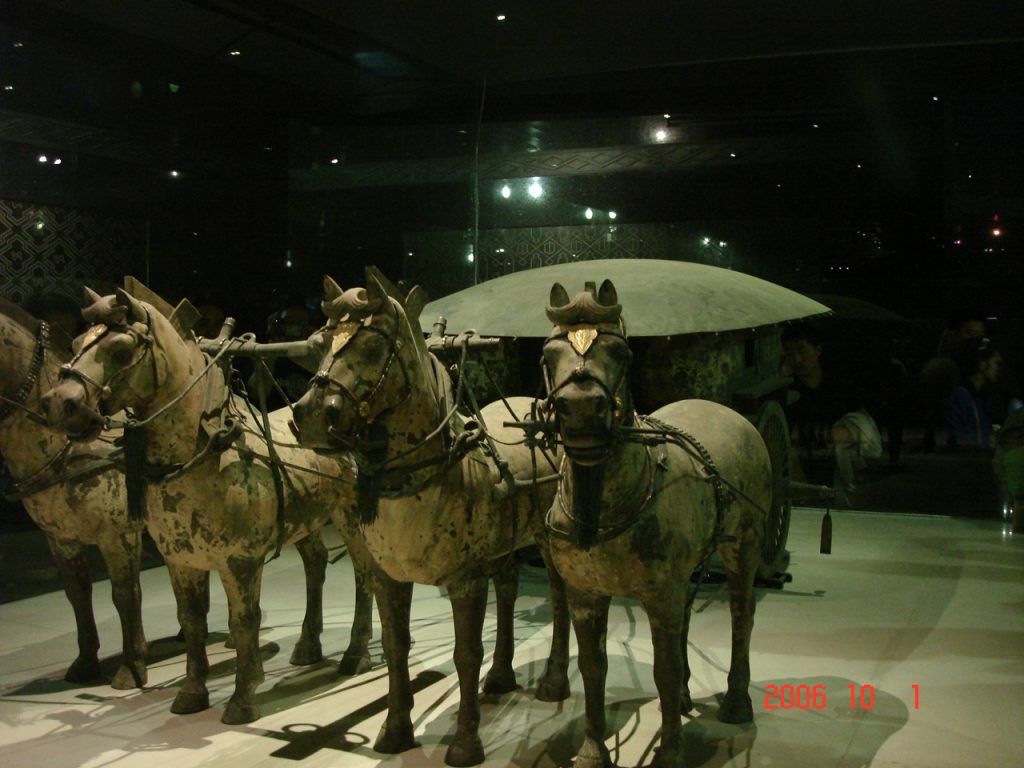
- Standard visit: allow enough time for Pit 1, Pit 2, Pit 3, Bronze Chariots, and a calm exit.
- Slow visit: best for guide interpretation, history interest, photography, families, or senior travelers.
A tight essential visit
A tight visit is possible when your goal is to see the main hall and understand the basic route. Protect Pit 1, then give shorter but purposeful attention to Pit 2, Pit 3, and the Bronze Chariots. This is not ideal for deep history, but it can work if the museum is one part of a constrained Xi'an day.
Do not attempt a tight visit during a peak holiday unless you accept that crowds can break the schedule. Tight plans depend on smooth tickets, clear transport, and a simple route.
A balanced first visit
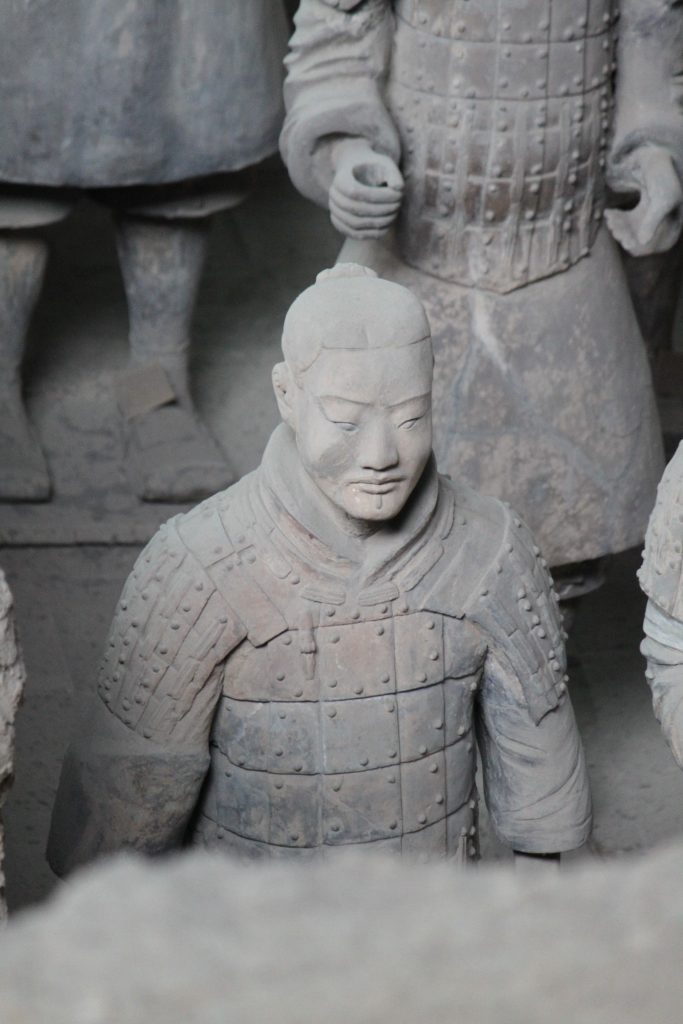
A balanced first visit gives you time to experience Pit 1 properly, use the smaller pits for context, include the Bronze Chariots, and leave without feeling that every step was rushed. This is the best default for most first-time visitors.
Read the museum first-time guide before arrival so you do not waste time deciding what each area is for. Route clarity is one of the easiest ways to make a standard visit feel more generous.
A slower museum route
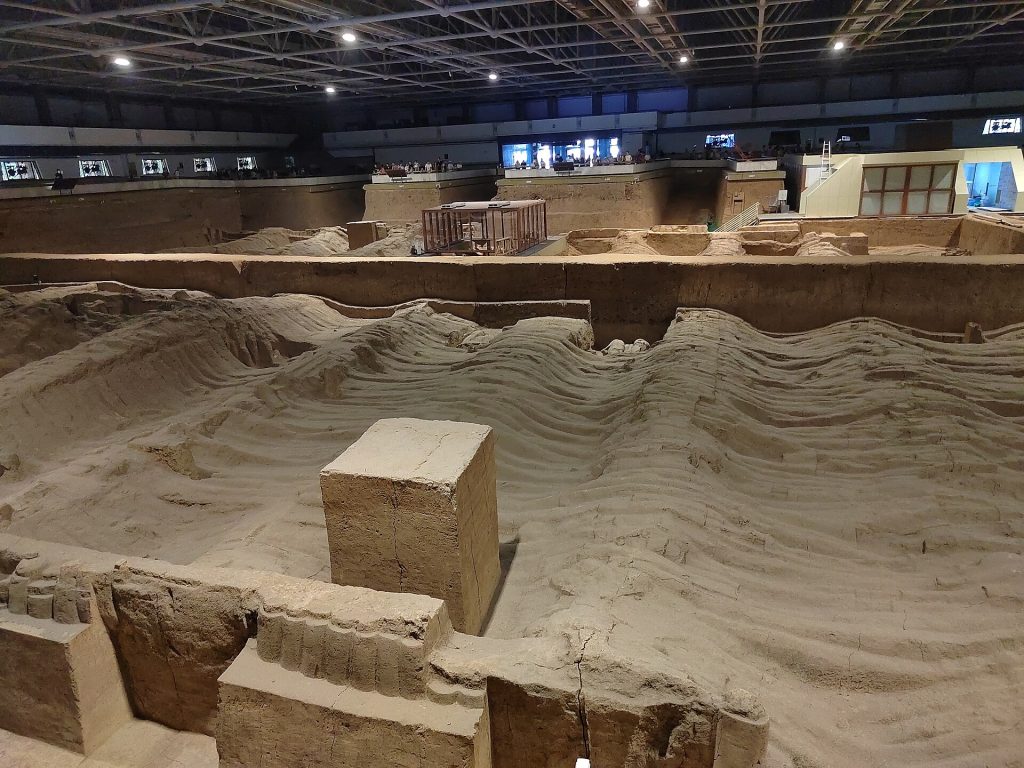
Choose a slower route if you are using a guide, traveling with children or older relatives, reading exhibits carefully, taking photos, or visiting in heat, cold, rain, or heavy crowds. Slow does not mean inefficient. It means giving the site enough space to be understood.
A slower route also works better if you care about history. The Qin story, the mausoleum context, and the craft details of the Bronze Chariots are harder to absorb if you are constantly checking the clock.
Transport time is part of the visit
The museum is outside central Xi'an, so do not separate museum time from travel time. Public transport, taxi, private transfer, traffic, station exits, and return pickup all affect the real day. A plan that looks efficient inside the museum may fail if return transport is too tight.
Use the transport guide if you are deciding how early to leave Xi'an. Use the railway station transfer guide if the museum sits between train travel and hotel plans.
How to choose your pace
Choose tight only when the museum is one part of a constrained day and you are comfortable missing depth. Choose standard for a first visit with normal travel energy. Choose slow if interpretation, comfort, photos, or family needs matter. The best plan is the one that protects the main experience and avoids a stressful return.
Before-you-go checklist
Decide your pace before buying or confirming tickets. Add transport buffer. Leave room for toilets and photos. Protect Pit 1 time. Do not pair too many side sights with a first museum visit. Recheck official ticket and opening information before travel.
Official timing and real timing
The official ticketing page says the Terracotta Army Museum and Lishan Garden each require approximately 1.5 hours to visit. That statement is useful because it separates the famous museum pits from the wider mausoleum area, which many first-time visitors do not distinguish clearly.
A standard first visit to the main museum areas can fit into a half-day outing from Xi'an, but the full day length depends on transport, ticket checks, toilets, crowds, photos, rest breaks, and whether you add Lishan Garden, Huaqing Palace, or a railway transfer.
Choosing tight, standard, or slow
Choose a tight route only when the museum is one part of a constrained day and you accept less depth. Choose a standard route for most first-time visitors. Choose a slow route for guide explanation, history reading, photography, family pacing, or senior travelers.
Do not measure the visit only by minutes inside Pit 1. A better time budget protects Pit 1 while still leaving purposeful time for Pit 2, Pit 3, and the Bronze Chariots.
When to add more time
Add time if you are visiting during holidays, arriving from Xi'an North Railway Station, using public transport, or traveling with a group that moves at different speeds. Add even more time if you want the wider mausoleum landscape rather than only the famous pits.
Use the half-day itinerary for a focused version and the station-transfer guide if train logistics are part of the same day.
Time buffers that are easy to forget
First-time visitors often forget small time costs: walking from vehicle drop-off to entry, passing document checks, finding toilets, waiting for a clear viewpoint, moving through shop or exit areas, and arranging the return. None of these is dramatic alone, but together they can turn a neat schedule into a rushed day.
Add buffer if your group has different walking speeds or different levels of interest. One person may want every label; another may only want the main view. Agree on the priority areas before entering so the route does not become a negotiation inside the museum.
Related planning guides
- Terracotta Army Museum Guide for First-Time Visitors
- Xi’an to Terracotta Army by Metro, Bus, Taxi, or Private Car
- Xi’an North Railway Station to Terracotta Army
- Pit 1 Guide at the Terracotta Army
Official checks before you go
The official ticketing page describes the Terracotta Army Museum and Lishan Garden as separate visit areas; use that distinction when deciding whether you are planning the core pits or the wider mausoleum landscape. See the official ticketing information, the museum website, and the UNESCO World Heritage listing. Use those sources to decide whether your plan covers only the main museum or the wider mausoleum area.

Terracotta Army and Daming Palace in One Day: A Qin-to-Tang History Route
Plan a Terracotta Army and Daming Palace day in Xi an with a realistic museum-first order, return-time buffers,…
Visiting the Terracotta Army in Spring: Weather, Crowds, and What to Wear
Plan a Terracotta Army visit in spring with practical advice on changing weather, Qingming and May holiday crowds,…
Terracotta Army for Solo Travelers: A Practical First Visit Guide
Plan a solo Terracotta Army visit with practical advice on tickets, transport from Xi'an, entry checks, self-guided route…