Yes, the Terracotta Army and Daming Palace can make a rewarding one-day route, but only when the Terracotta Army is treated as the fixed part of the day. The museum is out in Lintong, while Daming Palace is back in the northern part of central Xi’an. The contrast is excellent: a Qin dynasty burial complex in the morning and the footprint of a Tang imperial capital in the afternoon. The travel between them is what decides whether the pairing feels thoughtful or rushed.
This is not the right plan for every arrival day, family schedule, or late museum start. It works best for visitors who want a broad historical arc, are comfortable with a full day, and can begin the museum visit early enough to leave a generous return buffer. If that does not describe your day, use one site well and save the other for later.
Quick answer
- Best order: visit the Terracotta Army first, then return to Xi’an before heading toward Daming Palace.
- Why this order works: the museum has the less flexible location and the more important timing constraint.
- Allow for the return: do not plan Daming Palace around a perfect travel-time estimate from Lintong.
- Best for: history-focused visitors who have started the morning early and do not need a long, slow lunch at the museum.
- Better fallback: if the museum visit runs long, choose a central Xi’an evening rather than forcing a second major stop.
Why the pairing is compelling
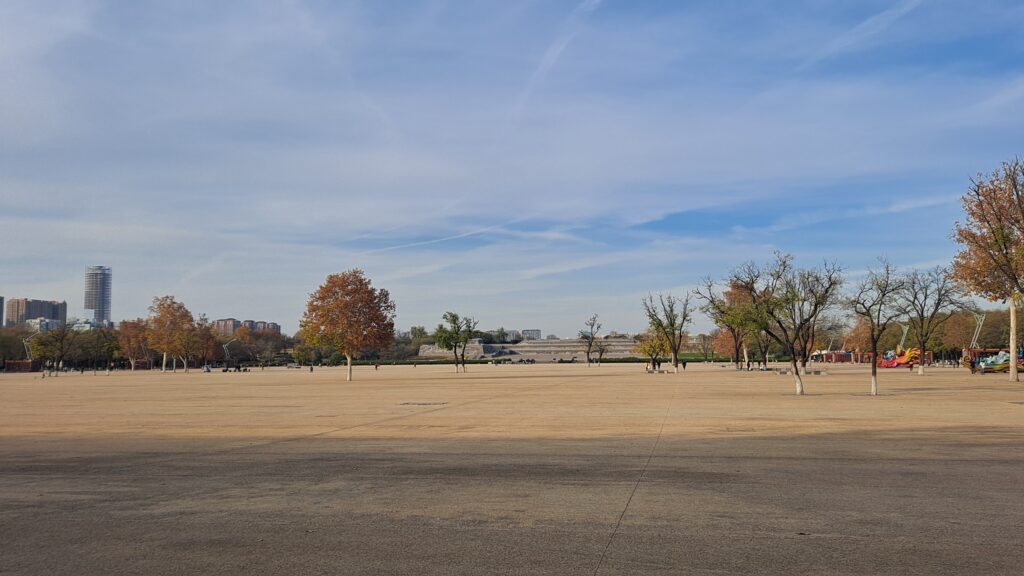
The Terracotta Army tells its story through archaeological excavation, soldiers, horses, weapons, and the burial world of the First Qin Emperor. Daming Palace shifts the perspective to the Tang dynasty, when Chang’an was a vast imperial capital. They are not substitutes for one another. One is a focused museum visit around a singular archaeological discovery; the other is a large heritage landscape whose scale needs a little imagination.
That difference is exactly why the combination can be memorable. Start with the practical context in the Qin dynasty history guide, then use the second half of the day to see how a later dynasty organised power, ceremony, and city life on a very different scale.
Is one day actually realistic?
It is realistic when you can reach the Terracotta Army early, follow a clear museum route, and accept that Daming Palace is an afternoon or early-evening continuation rather than a second site to explore exhaustively. It becomes fragile when the museum begins late, the group stops repeatedly for shopping or a long meal, or the return from Lintong is treated as a fixed number of minutes.
A useful test is simple: if you would be happy with the Terracotta Army as the main achievement of the day, this pairing is sensible. If you need both places to feel unhurried and comprehensive, separate them across two days. The Terracotta Army half-day itinerary helps set a realistic museum block before you add anything else.
Recommended order: museum first, palace second
Begin with the Terracotta Army, not Daming Palace. The museum is the harder site to move around because it sits outside central Xi’an and has an entry rhythm, walking route, and return journey to manage. Arrive with a ticket plan, go straight to the main priorities, and avoid letting the first stop drift into the middle of the afternoon.
Inside the museum, follow the recommended museum route order so the largest and most important views are protected even if the day becomes busy. Keep an eye on the time before you leave the complex, not only after you are already trying to find transport back.
Once you are back in Xi’an, take stock. If you still have a comfortable time window, continue north to Daming Palace. If not, treat the return as the end of the major sightseeing and choose dinner or a central walk instead. This decision point is what keeps the itinerary enjoyable.
How much time should you reserve?
Give the Terracotta Army a meaningful morning or early-afternoon block, plus the time needed to get there and back. The museum should not be compressed into a quick photo stop just to preserve a second attraction. Before leaving your hotel, check the opening hours and last-entry guide so the first half of the day is built around current arrangements rather than an assumption.
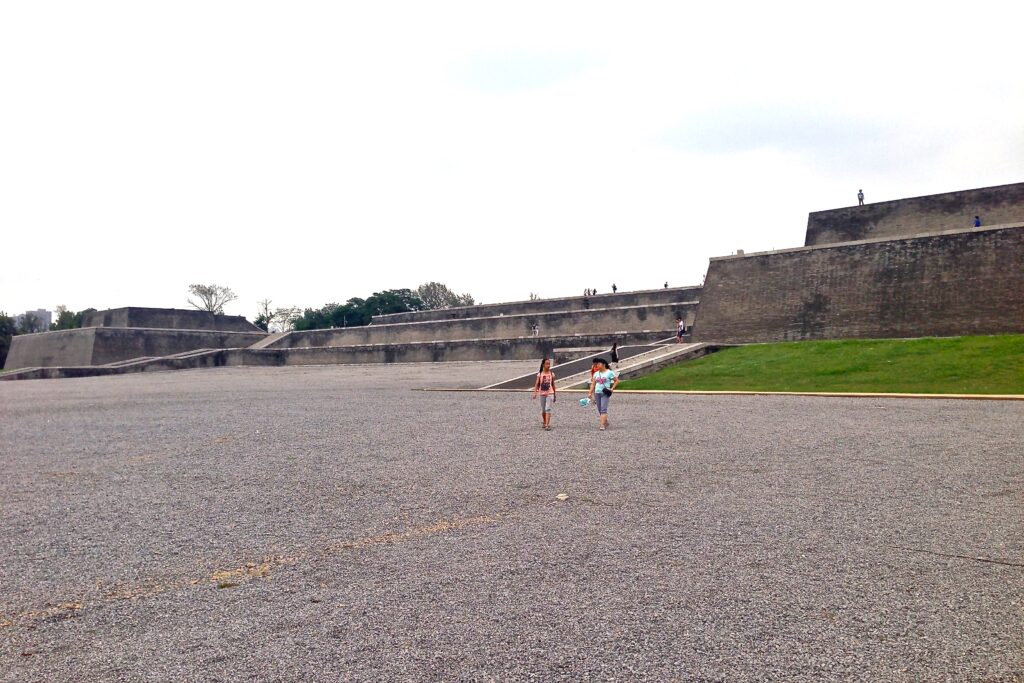
For Daming Palace, think in terms of a flexible visit. The outdoor grounds and major remains make sense even when you do not have hours to spare, while indoor or exhibition components may have their own practical limits. Check current visitor information close to the date and do not rely on an old itinerary for hours or access arrangements.
Getting from Lintong back to the Daming Palace area
The middle of this itinerary is not a sightseeing transfer. It is a return from the Terracotta Army area to Xi’an, followed by one more city journey. Choose the return option that matches your group size, energy, luggage, and tolerance for changes rather than the one that merely looks fastest on a map.
The Xi'an to Terracotta Army transport guide compares the main ways of reaching Lintong. For a group that wants a straightforward door-to-door return, the taxi and ride-hailing guide is useful. If you prefer public transport, read the metro connection guide before the day, then leave extra room for transfers and navigation.
Walking, shade, and energy management
This is a two-site day with two kinds of walking. At the Terracotta Army, the distance accumulates through entry areas, pit halls, exhibition spaces, and the exit route. At Daming Palace, the scale is more open and outdoor. The combination is manageable for many visitors, but it is not a low-effort add-on after a long morning.
Wear shoes that can handle both surfaces, carry water, and leave time for a proper break between sites. The walking distance and rest guide gives a more detailed sense of how to plan the museum portion for different mobility levels.
When to choose a different second stop
Daming Palace is best when the Qin-to-Tang contrast matters more to you than a compact, immediately dramatic attraction. If your remaining time is short, you may prefer the Terracotta Army and City Wall same-day route, which can work more naturally around a central evening. If you want another museum rather than a large outdoor site, compare it with the Terracotta Army and Xi'an museum same-day guide before deciding.
Do not make the second stop a test of endurance. A well-paced dinner after the museum is better than arriving at Daming Palace tired, late, and unable to take in the setting. The what to eat in Xi'an after the Terracotta Army guide is a practical alternative when the return journey has used more of the day than expected.
Who should choose this itinerary?
Choose it if you enjoy history across periods, can start early, and are content with a selective Daming Palace visit after the Terracotta Army. It is especially satisfying for repeat visitors to Xi’an who have already seen some of the central landmarks and want a different historical sequence.
Skip the pairing if you arrive in Xi’an late that morning, have a fixed evening commitment, are travelling with a group that needs frequent rests, or want to spend a long time with every Terracotta Army exhibition. In those cases, the museum deserves the whole day.
Official checks before you go
Confirm the Terracotta Army arrangements through the museum ticketing page and the Emperor Qinshihuang's Mausoleum Site Museum. The UNESCO listing for the Mausoleum of the First Qin Emperor provides background on the Qin site, while the UNESCO Silk Roads listing gives wider context for the Chang’an heritage landscape. Check current Daming Palace visitor arrangements separately before you travel.
Best recommendation
Make the Terracotta Army the anchor of the day and Daming Palace the flexible historical extension. Start the museum early, protect the return journey, and decide in central Xi’an whether there is still enough time and energy for the second stop. With that order, the route feels like a deliberate Qin-to-Tang journey rather than two unrelated pins on a map.
Visiting the Terracotta Army in Spring: Weather, Crowds, and What to Wear
Plan a Terracotta Army visit in spring with practical advice on changing weather, Qingming and May holiday crowds,…
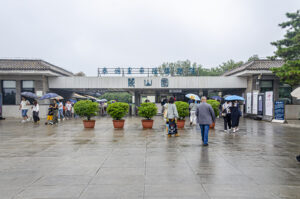
Terracotta Army for Solo Travelers: A Practical First Visit Guide
Plan a solo Terracotta Army visit with practical advice on tickets, transport from Xi'an, entry checks, self-guided route…
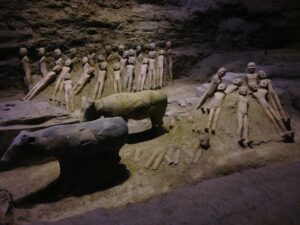
Terracotta Army and Han Yangling: Should You Visit Both?
Compare the Terracotta Army and Han Yangling near Xi'an: what is different, when two sites make sense, why…