The Terracotta Army is not a mountain hike, but it is still a walking-heavy museum visit. Many first-time visitors underestimate the amount of time spent on their feet: moving from entry checks to the main pits, standing at viewing railings, crossing between halls, finding toilets, taking photos, and returning toward transport.
This guide helps you plan the physical side of the visit. It is written for ordinary travelers, not only for people with mobility concerns. If you choose the right pace, shoes, route order, and rest strategy, the museum feels much easier and the main pits become more enjoyable.
Quick planning snapshot
- Best mindset: treat the Terracotta Army as a half-day walking museum visit, not a short stop.
- Best shoes: comfortable walking shoes with enough support for hard floors and slow standing.
- Best pace: protect energy for Pit 1, then use the quieter areas for slower viewing and recovery.
- Biggest mistake: rushing through every hall without planning toilets, water, photos, and rest breaks.
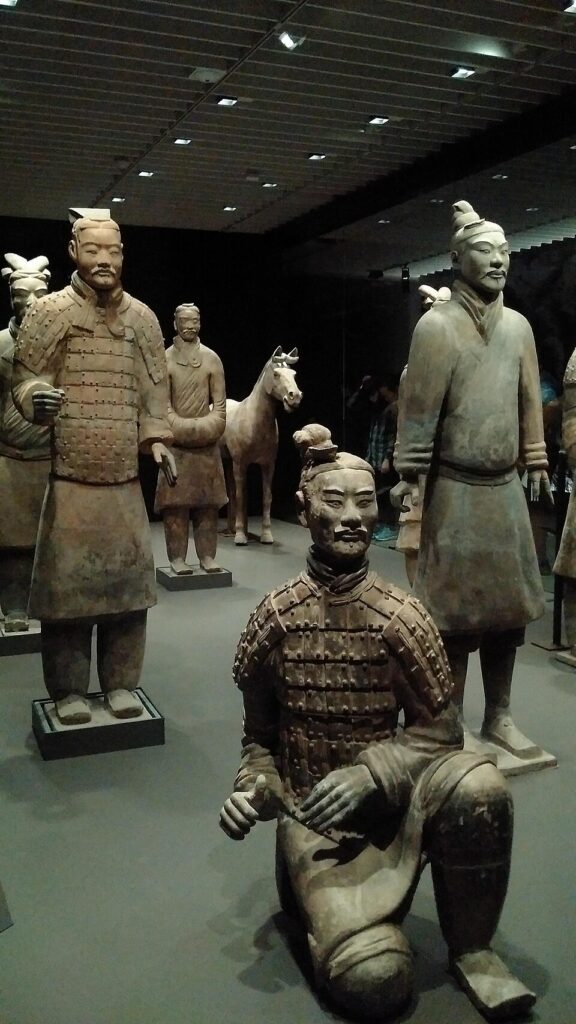
How much walking should you expect?
Expect a visit with repeated walking and standing rather than one long straight walk. The physical effort comes from entering the site, moving between museum areas, standing at crowded railings, changing sides for better views, pausing for explanations, and walking back out when your group is already tired.
For most visitors, the question is not the exact distance. It is whether the group can stay comfortable for several hours with limited sitting, changing crowd pressure, and a route that may feel longer in heat, rain, winter clothing, or holiday crowds. Use the how long to spend at the Terracotta Army guide to match walking pace with total visit time.
Where the walking happens
The walking starts before the famous warrior view. You need time for arrival, ticket and document checks, toilets if needed, and movement toward the main museum route. Once inside the pit halls, you may walk slowly along viewing areas, stop for photos, step around groups, and wait for a clearer line of sight.
Pit 1 usually takes the most attention because it is the main visual highlight. Pit 2 and Pit 3 may feel quieter, but they still add movement and standing time. If you are not sure how to order the visit, start with the first-time museum guide so the walking serves the route instead of becoming random wandering.
Why standing can feel harder than walking
Many visitors find the hardest part is not walking from one point to another. It is standing still in a busy viewing area, holding a phone or camera, waiting for space, listening to explanations, and trying to look over or around other people. Hard floors and slow crowd movement can make legs and feet tired even if the distance is not extreme.
This is one reason a slower, focused route often works better than trying to see everything at the same intensity. Spend your best energy on the most meaningful areas, then let the secondary stops support the story without exhausting the group.
Best route pace for first-time visitors
A good first-time pace usually has three stages. First, arrive without rushing and settle the practical needs: tickets, toilets, water, bags, and group meeting point. Second, give Pit 1 enough time because it is the reason most travelers came. Third, move through the supporting pits and exhibits at a pace that matches your energy instead of forcing equal time everywhere.
If the site is crowded, do not spend all your energy fighting for one perfect railing position. Step back, change angle, and return if the flow improves. The crowd avoidance guide is useful if you are visiting during a busy season or public holiday.
Shoes and clothing make a real difference
Wear shoes that can handle several hours of walking and standing. This is not the day for new shoes, thin fashion soles, or anything that becomes uncomfortable on hard floors. The museum route can feel longer if your feet hurt before you reach the main viewing areas.
Clothing should also support movement. In summer, heat and sweat can make walking feel heavier even in covered halls. In winter, bulky clothing and cold transitions can slow the group. The what to wear to the Terracotta Army guide gives more detailed advice on shoes, bags, layers, and weather choices.
Rest breaks, toilets, and water
Plan small breaks before anyone is exhausted. A short pause after a busy viewing section is easier than trying to recover after the group has already become impatient. Toilets and water should be handled before the most important parts of the route when possible, especially with children, older travelers, or anyone who dislikes crowded movement.
Do not overpack water or snacks so heavily that the day bag becomes another burden. Carry enough to stay comfortable, then keep the bag light enough to move through the route without constant adjustment.
Families with children
Families need a more flexible walking plan. Children may be excited at first, then tired during the quieter areas. They may also need toilets, snacks, or shorter explanations more often than adults expect. A good family route uses the strongest visual moments early, then keeps later stops shorter and more selective.
Give children simple things to notice: different faces, horses, broken figures, rows, uniforms, and restoration areas. This keeps them engaged without making the walk feel like a long lecture.
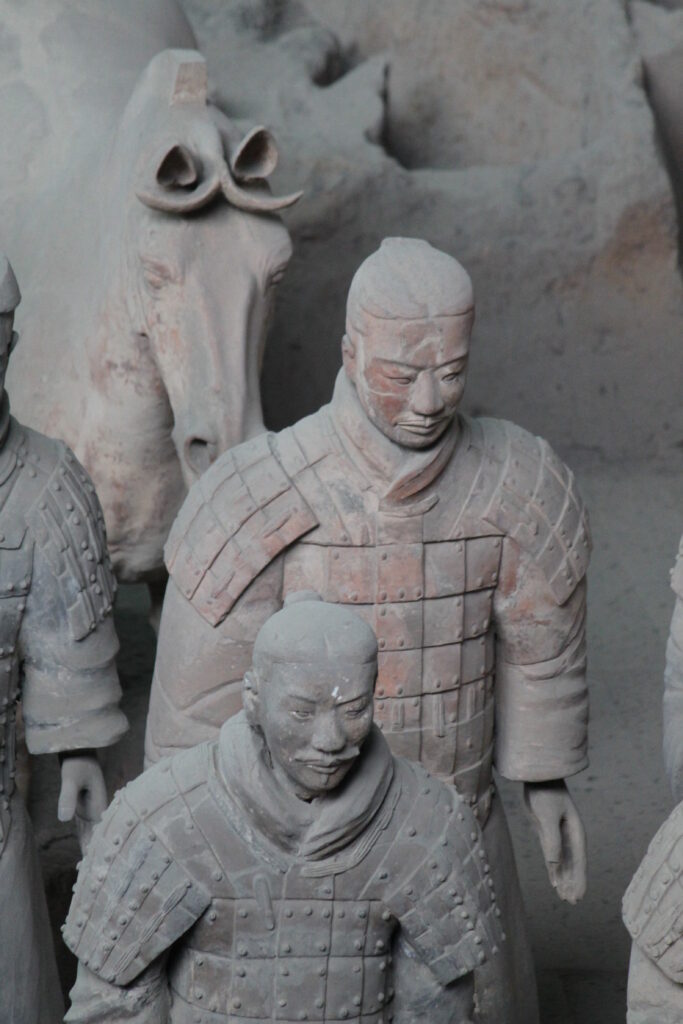
Senior travelers and slower walkers
Older visitors and slower walkers should not plan the day around the fastest person in the group. A comfortable route protects energy for the main pits, avoids unnecessary backtracking, and accepts that some areas may need shorter stops. The best visit is not the one that covers every corner; it is the one the group can actually enjoy.
If walking comfort is a major concern, read the senior travelers guide and the accessibility and mobility guide before finalizing transport and route order. Those decisions affect the walking experience as much as the museum itself.
When a guide helps with walking pace
A guide can help if they manage the route instead of simply adding more explanation. The useful guide is the one who knows when to pause, when to move on, where the group can see better, and how to keep the visit coherent without forcing everyone to stand too long.
If you prefer independence, you can still create your own pace. Decide before arrival which areas are essential, which are supporting, and which can be shortened if the group becomes tired.
How crowds change the walking plan
On quiet days, walking feels more straightforward because you can move, stop, and photograph without much pressure. On crowded days, the same route feels more tiring because you are adjusting to other people, waiting for views, and moving in short bursts. This makes crowd timing a physical comfort issue, not only a photography issue.
During holidays or peak travel periods, add more time and reduce optional plans after the museum. A second attraction can still work, but only if the group has enough energy after the main visit.
Transport and the walk after the museum
Remember that the walking does not end at the last exhibit. You still need to leave the site, find your transport, manage bags, and return to Xi'an or continue to the next stop. This final part feels longer if you used all your energy inside the museum.
If your day includes luggage, children, senior travelers, or a tight evening train, keep the museum route focused. A slightly shorter visit with a calm exit is usually better than a maximal route followed by a stressful transfer.
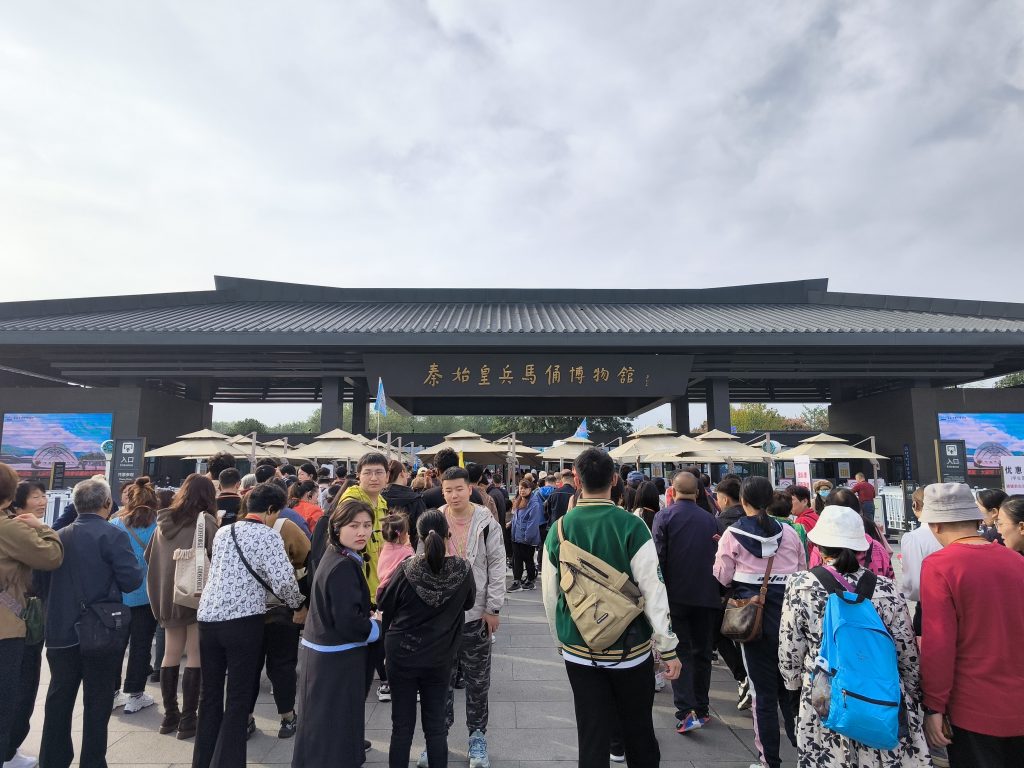
Before-you-go checklist
- Wear comfortable walking shoes, not new or thin-soled shoes.
- Plan the museum as a several-hour standing and walking visit.
- Handle toilets, water, and tickets before the most important viewing areas.
- Protect energy for Pit 1 and the main museum story.
- Use short breaks before the group becomes tired.
- Give families, seniors, and slower walkers more route buffer.
- Check current visitor information before relying on old notes about access, services, or route flow.
Official checks
For current visitor information, use the Terracotta Army ticketing information and the Emperor Qinshihuang's Mausoleum Site Museum. Access, services, visitor flow, and holiday controls can change, so confirm details close to your visit date.
Best walking strategy
The best walking strategy is to make the route feel deliberate. Arrive with good shoes, a light bag, enough time, and a clear idea of which areas matter most. Do not save every practical decision for the moment when the group is already tired.
Seen at the right pace, the Terracotta Army is easier to understand and more enjoyable to remember. The goal is not to walk the most. It is to spend your energy where the museum is strongest.
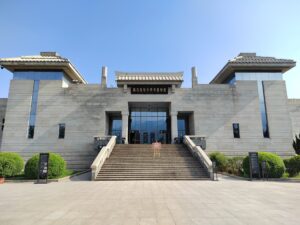
Terracotta Army Museum Route Order: Which Pits to See First
Plan a practical Terracotta Army museum route order, including Pit 1, Pit 2, Pit 3, bronze chariots, crowds,…
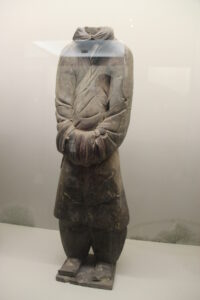
Qin Civil Officials at the Terracotta Army: What Pit K0006 Reveals
Discover the Qin mausoleum civil officials of Pit K0006: why their folded sleeves, charioteers, colours, and separate setting…
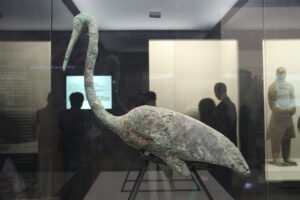
Bronze Water Birds at the Qin Mausoleum: Cranes, Swans, and Geese
A visitor guide to the bronze water birds from the Qin mausoleum: why cranes, swans, and geese matter,…