The Terracotta Army can be a very good visit for senior travelers, but the day should be planned around comfort, timing, and a focused route. The museum is large, the main viewing areas can be busy, and the trip from Xi'an takes more effort than a city-center attraction. A strong plan makes the visit feel memorable instead of tiring.
This guide is written for older visitors, families traveling with parents or grandparents, and anyone who wants a slower Terracotta Army visit without missing the most important parts. It is not medical advice, but it does help you think through transport, walking pace, rest breaks, weather, tickets, and whether to add nearby sights.
Quick planning snapshot
- Best overall strategy: use comfortable transport, keep Pit 1 as the main anchor, and avoid turning the day into a checklist.
- Best timing: start earlier in the day when possible, especially in summer, weekends, and holiday periods.
- Most important preparation: tickets, passports or booking documents, water, weather protection, and a clear return plan.
- What to skip if energy is limited: long outdoor add-ons, repeated shopping stops, and any extension that makes the return to Xi'an difficult.
Is the Terracotta Army suitable for older visitors?
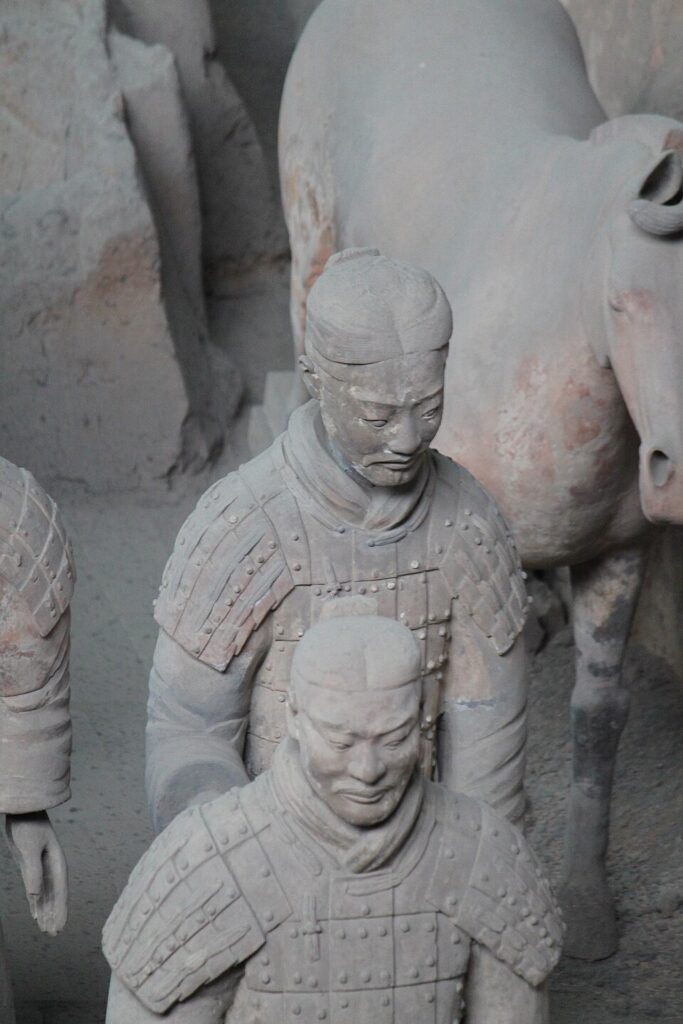
For many older travelers, yes. The Terracotta Army is mainly a museum and archaeological site rather than a mountain hike, and the core experience is built around viewing pits and exhibits. The challenge is not technical difficulty; it is the combination of travel time, crowds, walking, standing, weather, and the temptation to add too much to the same day.
The best senior-friendly visit is usually selective. You do not need to study every display or stay until everyone is tired. A careful route based on the first-time museum guide can still cover the essential story: Pit 1 for scale, Pit 2 for excavation context, Pit 3 for the command idea, and the key exhibits if energy remains.
How long should senior travelers spend?
Most older visitors should plan enough time for slow movement, waiting, photos, toilets, and pauses between main areas. Rushing through the site is usually less satisfying than seeing fewer things properly. At the same time, staying too long can make the return journey harder, especially in hot weather or after a long morning transfer.
If you need a practical time frame, compare the advice in how long to spend at the Terracotta Army. Travelers who prefer a controlled day often do well with a focused half-day structure, especially if they use the Terracotta Army half-day itinerary and avoid adding too many stops afterward.
Best route order for a slower visit
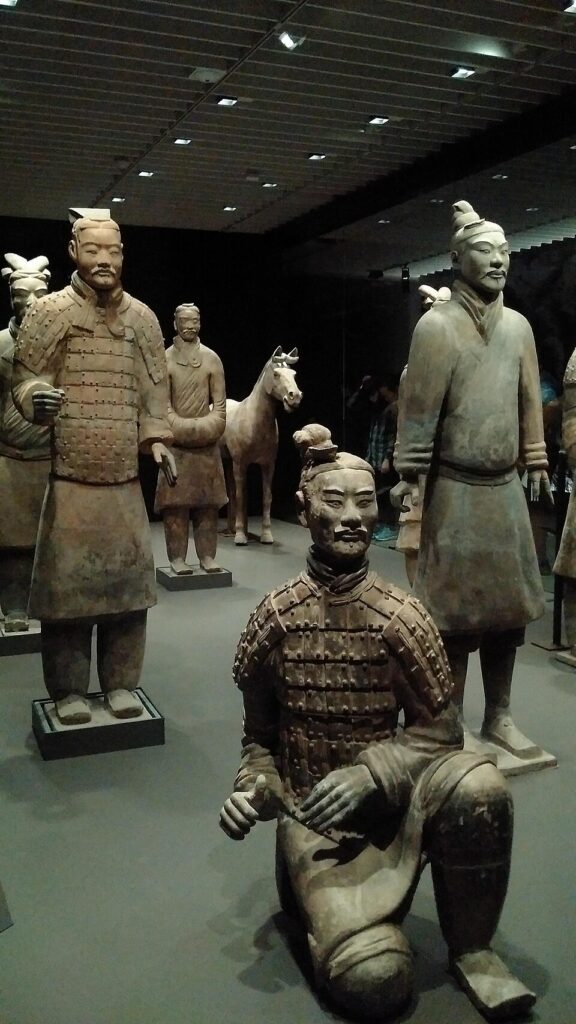
Put the most important viewing area early. For many visitors, that means making Pit 1 the anchor of the route because it gives the strongest sense of scale. If the group has good energy afterward, continue to Pit 2 and Pit 3. If the day is already feeling heavy, make the remaining stops shorter and protect the return trip.
A senior-friendly order does not have to be perfect; it has to be humane. Pit 1 is the main visual memory. Pit 2 adds variety and excavation context, but it can feel less immediately dramatic. Pit 3 is smaller and easier to understand quickly. Exhibits such as the bronze chariots can be worthwhile, but only if the group still wants more detail.
Transport from Xi'an: choose comfort first
Transport is one of the biggest decisions for senior travelers. Public transport can work for independent visitors who are comfortable with transfers and walking, but it is not always the easiest choice for older guests. Taxi, ride-hailing, private transfer, or a guide with vehicle support can reduce waiting, confusion, and fatigue.
Before deciding, read the Xi'an to Terracotta Army transport guide. For senior travelers, the question is not only cost. It is also how easy the door-to-door journey will feel, how predictable the return is, and whether the group will still have energy when it reaches the museum.
Tickets and entry preparation
Prepare tickets and documents before leaving Xi'an. Older travelers often find entry delays more tiring than the museum itself, especially if the weather is hot, cold, wet, or crowded. Keep passports or the booking documents used for entry easy to reach, and check official ticketing information close to the travel date.
The Terracotta Army tickets guide explains common document and timing issues for international visitors. Read it before the day of travel so the museum entrance is not the first time you think about booking details.
Walking, standing, and rest breaks
The main issue for many senior travelers is not one steep climb, but accumulated standing and slow walking. Crowded viewing areas can mean waiting at railings, shifting position for photos, and walking between halls at a pace set by the crowd. Plan short pauses before the group becomes tired.
Keep bags light, carry water, use toilets when convenient, and avoid saving all breaks for the end. If someone in the group has mobility concerns, confirm practical access arrangements close to the visit date and be conservative with the schedule. A route that leaves energy at the end is better than a route that uses every minute.
Guide or no guide for senior travelers?
A good guide can make the visit easier for older travelers by reducing uncertainty, explaining the site clearly, and keeping the route efficient. The guide should understand that the group wants a comfortable pace, not a long lecture at every stop. Ask for shorter explanations, clear meeting points, and time for breaks.
Independent visits can also work well for travelers who prefer flexibility. If you are deciding between the two styles, use the Terracotta Army with or without a guide comparison. The right choice depends on confidence, mobility, history interest, language comfort, and how much help you want with logistics.
Weather and crowd planning
Weather affects senior travelers more than many itineraries admit. In summer, heat can make waiting and transfers harder, so earlier starts, water, and a shorter route matter. The summer Terracotta Army guide is useful if you are visiting in hot months. In rainy weather, the covered pit halls still make the museum possible, but wet transfers and slippery outdoor areas can slow the day; check the rainy-day guide if the forecast looks poor.
Crowds are another reason to avoid overplanning. If the main viewing area is packed, wait for a better position, then move on. Do not spend all your energy trying to get one perfect photo. Senior-friendly planning is about keeping the group comfortable enough to enjoy the whole visit.
Should senior travelers add Huaqing Palace or Mount Li?
Nearby add-ons can sound efficient, but they are not always senior-friendly. Huaqing Palace after the Terracotta Army can make sense if the group has a full day, comfortable transport, and real interest in the site. It should not be added automatically just because it is nearby.
Mount Li needs even more caution because weather, walking, and stamina matter. For many older visitors, the best day is simply the Terracotta Army plus a comfortable return to Xi'an. If you add another stop, make it optional and decide after the museum, not before.
Senior-friendly checklist
- Choose transport that minimizes waiting and transfer stress.
- Check official ticketing and entry information close to the visit date.
- Keep passports or booking documents easy to reach.
- Make Pit 1 the main anchor and shorten other areas if needed.
- Carry water, tissues, weather protection, and only light bags.
- Use rest and toilet breaks early, not only when someone is exhausted.
- Keep Huaqing Palace, Mount Li, and other add-ons optional.
- Protect the return to Xi'an; a good ending matters.
Official checks
Use official sources for final entry and museum information: Terracotta Army ticketing information and the Emperor Qinshihuang's Mausoleum Site Museum. Ticketing arrangements, access controls, opening details, and holiday measures can change, so check close to the day you visit.
Best plan for most senior travelers
For most senior travelers, the best Terracotta Army day is comfortable, selective, and not overfilled. Start with reliable transport, enter with documents ready, give Pit 1 proper time, add the other core areas at a calm pace, and keep the rest of the day flexible.
The visit does not need to be rushed or exhaustive to be successful. If older travelers leave with a clear memory of the warriors, the scale of the pits, and the story of the first emperor's buried army, the day has worked.
Qin Civil Officials at the Terracotta Army: What Pit K0006 Reveals
Discover the Qin mausoleum civil officials of Pit K0006: why their folded sleeves, charioteers, colours, and separate setting…
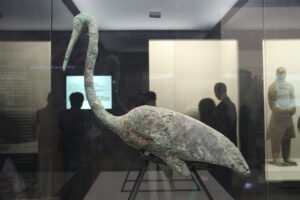
Bronze Water Birds at the Qin Mausoleum: Cranes, Swans, and Geese
A visitor guide to the bronze water birds from the Qin mausoleum: why cranes, swans, and geese matter,…
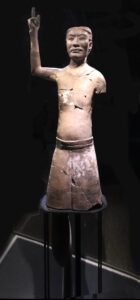
Terracotta Army Acrobats and Strongmen: The Figures Beyond the Soldiers
Meet the Qin mausoleum acrobats and strongmen: why they are different from the Terracotta Army soldiers, what Pit…