A Terracotta Army and Huaqing Palace day trip can be worthwhile, but it is not the best choice for every visitor. The two sites sit in the same general Lintong direction east of Xi'an, so combining them is logical on a map. The real question is whether you have enough time, energy, transport control, and history interest to enjoy both without turning the day into a rushed checklist.
For most first-time visitors, the Terracotta Army should remain the anchor. Huaqing Palace is the add-on, not the reason to shorten the museum. If you have only a tight half day, focus on the warriors. If you have a full day and want Tang history, hot spring setting, Lishan scenery, or the Xi'an Incident context, Huaqing Palace can make the outing feel more complete.
Quick planning snapshot
- Best for: visitors with a full day, flexible return time, and interest in more than the warrior pits.
- Skip the combination if: you only have a short morning, a same-day train or flight, young children who tire easily, or a group that mostly wants the iconic Terracotta Army view.
- Best route logic: keep the Terracotta Army as the priority, then add Huaqing Palace if time and energy still make sense.
- Planning risk: tickets, transport, walking, heat, rain, and holiday crowds can make the combined day feel heavier than it looks online.
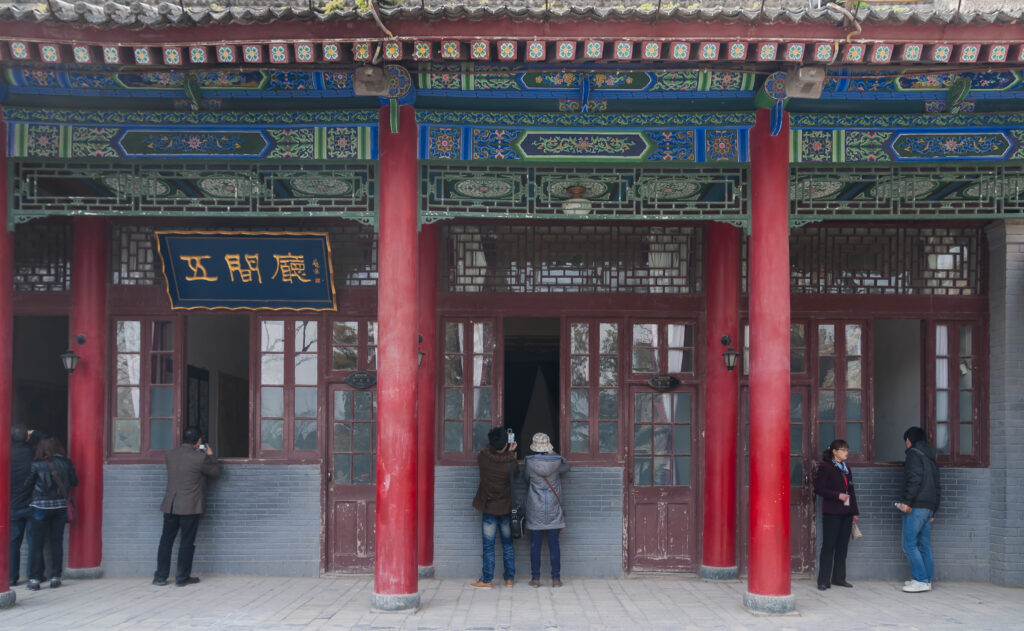
What Huaqing Palace adds to a Terracotta Army day
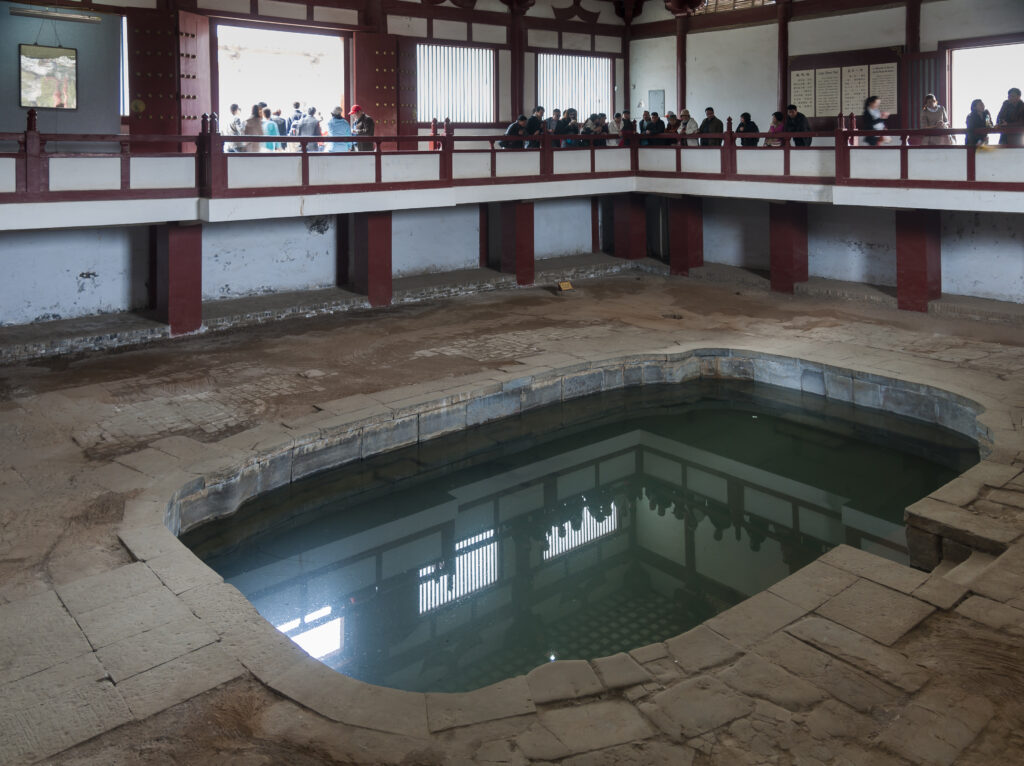
Huaqing Palace gives the day a different historical texture. The Terracotta Army is about Qin imperial burial power, archaeology, scale, and restoration. Huaqing Palace is usually understood through hot springs, Tang-dynasty court culture, Lishan, and later modern history connected with the Xi'an Incident. The official Huaqing Palace site presents the area through hot spring culture, Tang culture, the Xi'an Incident, and Lishan, which is why it can work as a broader Lintong history stop rather than another version of the same museum.
That difference is also the reason some visitors should not combine them. If you want one clear, focused museum visit, Huaqing Palace may dilute the day. If you like layered history and do not mind a fuller itinerary, it can add context and variety after the warrior pits.
Who should combine them?
The combination works best for travelers who have already accepted that this is a full-day outing from Xi'an. It is a good fit if you like history beyond the headline attraction, want to make better use of the Lintong direction, or prefer one east-of-Xi'an day instead of returning another time. It also works for visitors using a private car or guided transfer because transport friction is lower.
It is less suitable for visitors who are trying to squeeze the Terracotta Army between hotel checkout and a train, or for families who know the museum itself will already be tiring. If your main uncertainty is how much time the warriors need, read the how long to spend at the Terracotta Army guide first. A rushed Huaqing Palace stop is rarely better than a calmer museum visit.
Best route order: warriors first or Huaqing Palace first?
For most first-time visitors, go to the Terracotta Army first. It is the main reason for the day, and it deserves your freshest attention. Start with the museum, protect enough time for Pit 1, Pit 2, Pit 3, and the key exhibits, then decide whether Huaqing Palace still fits. This route also makes it easier to drop the add-on if tickets, crowds, weather, or fatigue make the day slower than expected.
Huaqing Palace first can make sense only in specific situations: your ticket timing points that way, your driver or guide has a crowd-avoidance reason, or you have already visited the Terracotta Army before and are not treating it as the priority. Otherwise, putting the secondary stop first can create the wrong pressure. You may spend the whole morning watching the clock instead of enjoying the place you came to see.
Transport choices for the combined day
Transport is the biggest practical difference between a simple Terracotta Army visit and a combined day. Public transport can be manageable for confident travelers, especially if you are comfortable checking current routes and walking between stops. But a two-site day adds more transitions, more timing decisions, and more chances for the return to become tiring.
A taxi, ride-hailing car, private transfer, or guide can make the day smoother because you are not only getting from Xi'an to one site. You are connecting Xi'an, the Terracotta Army, Huaqing Palace, and the return. If you are still choosing the transport style, use the Xi'an to Terracotta Army transport guide before deciding whether the add-on is realistic for your group.
Tickets and current checks
Treat both sites as current-check attractions. Do not rely on old screenshots, old opening-hour notes, or fixed assumptions about ticket windows. Before visiting, check the official Terracotta Army ticketing information and the official Huaqing Palace site. This is especially important during Chinese public holidays, school holiday periods, bad weather, maintenance changes, or unusually busy travel dates.
For the Terracotta Army, document and reservation details matter. International visitors should keep the passport or document used for booking accessible. The Terracotta Army tickets guide explains the main visitor risks without pretending that ticket rules are permanent. For Huaqing Palace, confirm the current entrance arrangement, show or performance availability if relevant, and whether Mount Li access changes your walking and timing.
How much time to allow
If you combine the two, think in blocks rather than exact schedules. The Terracotta Army museum itself can easily take two to three hours for a standard first visit, longer if you use a guide, read exhibits carefully, take photos, or move slowly. Huaqing Palace adds another visit block, plus transfer time, entrance time, walking, toilets, food, and the return to Xi'an.
A combined day should not be planned like two quick photo stops. If you only have half a day, choose the Terracotta Army half-day itinerary instead. If you have a full day, begin earlier, keep lunch flexible, and avoid putting a non-refundable evening plan too close to your expected return.
Families, seniors, and slower travelers
Families and senior travelers should be careful with this combination. The Terracotta Army already involves transport, entrances, crowds, viewing areas, walking, and museum focus. Huaqing Palace adds a second attraction and more standing time. The trip can still work, but only if the group is comfortable with a longer day and has transport that reduces stress.
If someone in your group needs regular rests, choose fewer priorities. See the Terracotta Army properly, have a relaxed meal or break, and add Huaqing Palace only if the group still feels good. A calm single-focus day is better than a technically complete itinerary that everyone remembers as exhausting.
Weather, seasons, and crowd pressure
Weather affects the combined day more than it affects a museum-only visit. The main warrior pits are covered, but the movement around entrances, transfers, and Huaqing Palace can still be hot, cold, wet, or crowded. Summer heat can make the second site feel harder. Rain can slow transfers and reduce comfort. Winter can be workable, but shorter daylight and cold weather may shrink the practical day.
If your date is flexible, use the best time to visit the Terracotta Army guide to choose a less stressful day. If your date is fixed, reduce the ambition of the itinerary rather than forcing every possible stop into one day.
Recommended itinerary shape
A sensible combined day starts from Xi'an with the Terracotta Army as the first priority. Enter with tickets and documents ready, spend your calmest time on the main museum route, then decide whether Huaqing Palace still fits. If it does, keep the Huaqing Palace visit focused: hot spring setting, core historical areas, and Lishan context if time and weather allow. Return to Xi'an with enough margin for dinner or rest.
This shape keeps the day flexible. You are not promising yourself that every area must be covered. You are giving the Terracotta Army the attention it deserves, then using Huaqing Palace as a valuable second layer when conditions are right.
Before-you-go checklist
- Check official Terracotta Army ticketing information close to your visit date.
- Check the official Huaqing Palace site for current entrance and attraction information.
- Decide whether this is a full-day outing or a focused museum visit.
- Choose transport before the morning of travel.
- Keep passport or booking document ready for the Terracotta Army.
- Bring water, weather protection, and comfortable shoes.
- Leave enough return buffer before trains, flights, shows, or dinner reservations.
Official checks
Use official sources for final operational details: Terracotta Army ticketing information, Emperor Qinshihuang's Mausoleum Site Museum, and Huaqing Palace official site. These checks matter because entry arrangements, ticketing platforms, access, and holiday controls can change.
So, is it worth it?
Yes, a Terracotta Army and Huaqing Palace day trip is worth it for travelers with a full day, good transport control, and interest in both Qin archaeology and broader Lintong history. No, it is not worth it if the combination forces you to rush the Terracotta Army or creates stress around tickets, transfers, and return time.
If this is your first time in Xi'an and you are unsure, start with the first-time Terracotta Army visit plan. If that plan already feels full, keep the day simple. If it feels comfortable and you want more history in the same direction, Huaqing Palace is the most natural add-on.
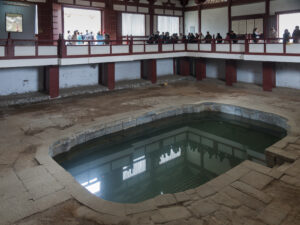
What to See at Huaqing Palace Near the Terracotta Army
Plan what to see at Huaqing Palace near the Terracotta Army, including hot spring pools, Tang history, Mount…
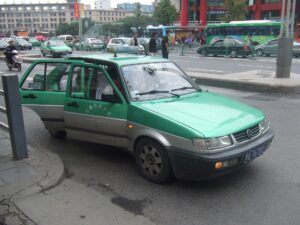
Xi’an Taxi or Ride-Hailing to Terracotta Army: Pickup and Return Tips
Plan a taxi or ride-hailing trip from Xi'an to the Terracotta Army, including pickup points, return strategy, luggage,…
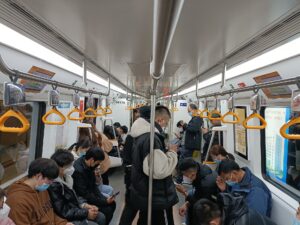
Xi’an Metro to Terracotta Army: Line 9 Route and Transfer Tips
Plan how to use Xi'an Metro toward the Terracotta Army, including Line 9, Fangzhicheng transfer logic, Lintong final…