Huaqing Palace is often mentioned as an add-on after the Terracotta Army, but many visitors are not sure what they are actually going to see there. It is not another warrior museum. It is a Lintong historic site known for hot spring pools, Tang dynasty stories, palace scenery, Mount Li context, and a very different mood from the Terracotta Army pits.
This guide explains what to see at Huaqing Palace, how to decide whether it is worth your time, and how to fit it around a Terracotta Army visit without turning the day into a rushed checklist. It is most useful for first-time Xi'an visitors planning a Lintong day trip.
Quick planning snapshot
- Best reason to visit: Tang dynasty palace and hot spring history after the archaeological scale of the Terracotta Army.
- Best visitor fit: travelers who want a fuller Lintong day, not only the warrior pits.
- Biggest risk: adding it when the Terracotta Army visit already feels rushed.
- Best route logic: see the Terracotta Army well first, then add Huaqing Palace only if time and energy still work.
What Huaqing Palace is known for
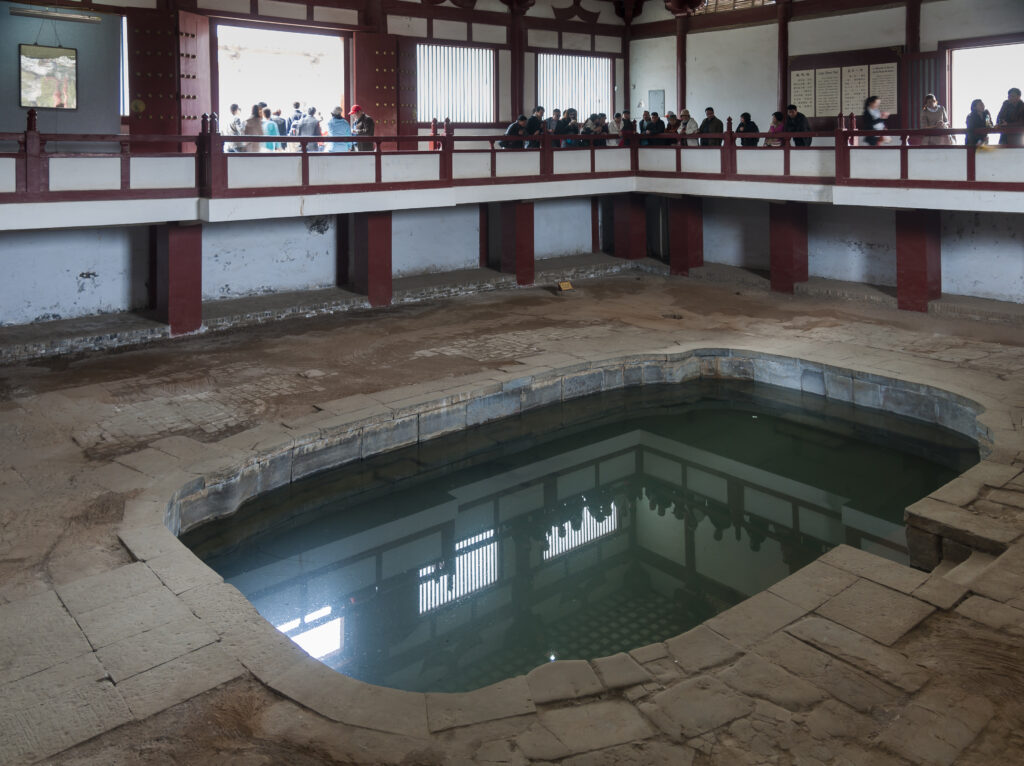
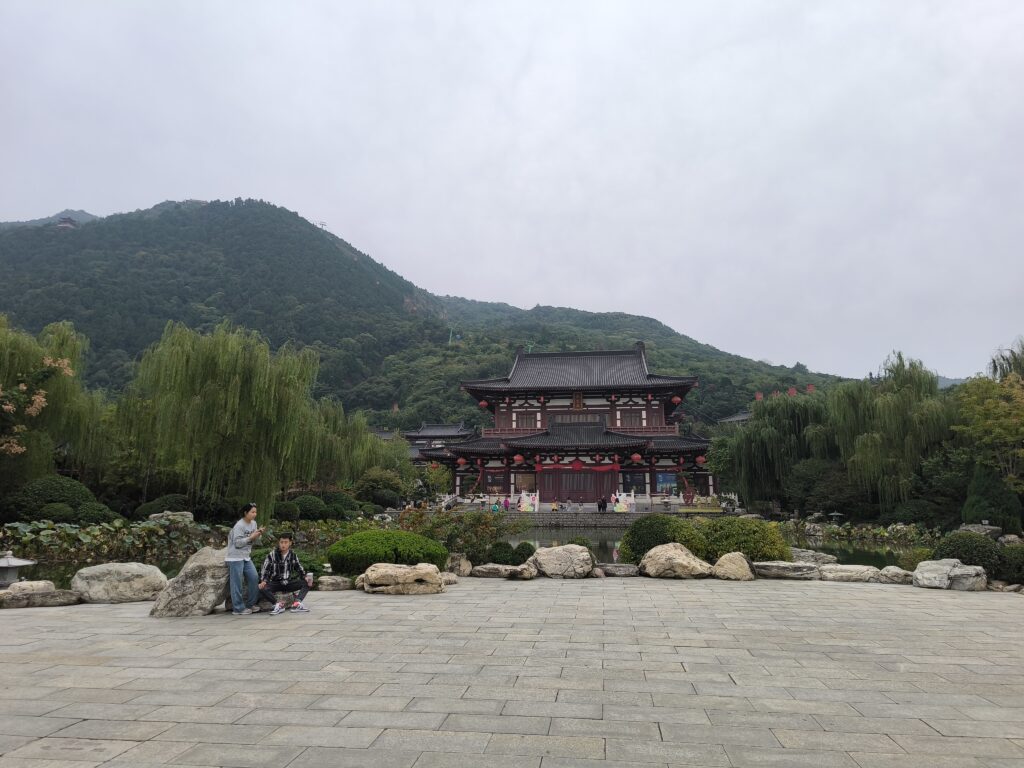
Huaqing Palace is associated with hot springs, imperial recreation, Tang dynasty history, and the story of Emperor Xuanzong and Yang Guifei. For visitors, the appeal is not one single viewpoint. It is the combination of historic pools, palace-style spaces, landscaped areas, and the setting at the foot of Mount Li.
This makes it a different kind of stop from the Terracotta Army. The warriors feel monumental and archaeological. Huaqing Palace feels more like a historic scenic site where stories, architecture, water, and mountain background shape the visit.
Start with the hot spring pools
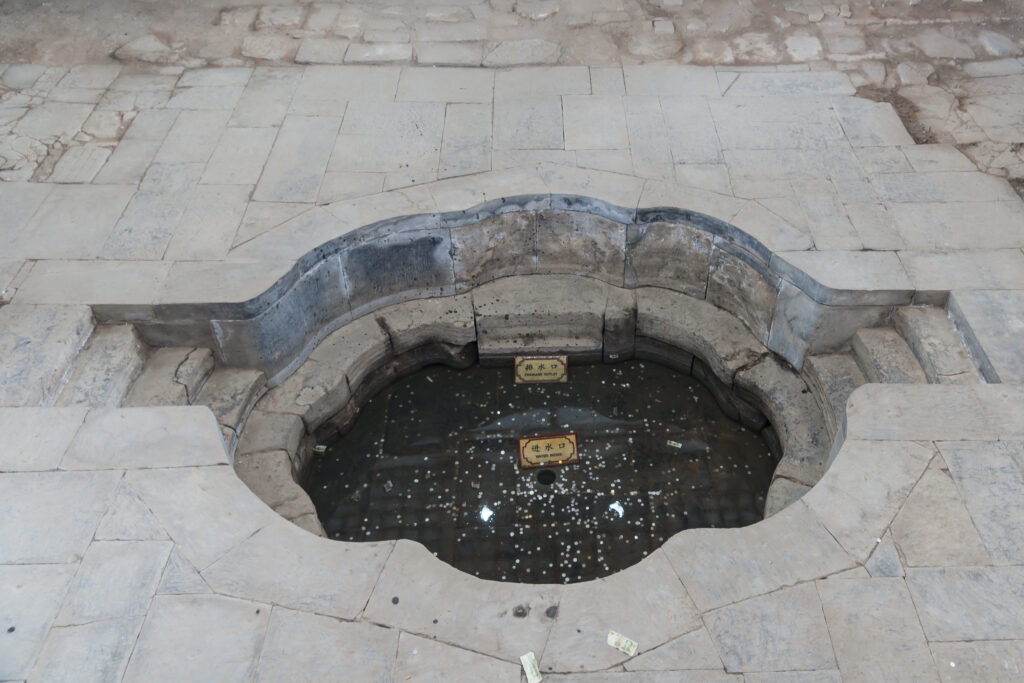
The historic hot spring pools are usually the most important part of Huaqing Palace for first-time visitors. They help explain why this place mattered to imperial life and why the site is more than a pleasant garden. Look at the pool forms, stonework, and the way water history is presented rather than expecting a modern spa experience.
Do not rush this section if you came for history. The pools are one of the clearest links between the physical site and the stories travelers hear before arrival.
Palace areas and Tang dynasty atmosphere
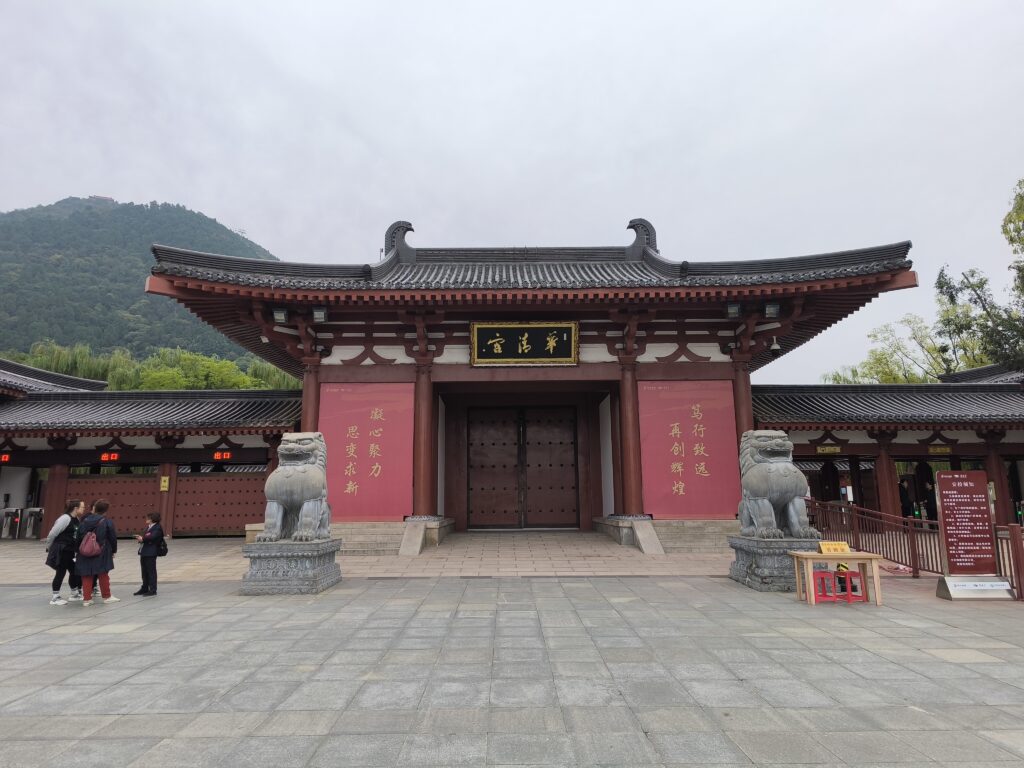
Beyond the pools, Huaqing Palace has palace-style spaces and scenic areas that create the Tang history atmosphere. The value is in slowing down enough to connect the buildings, courtyards, signs, and mountain setting. If you walk through too quickly, the site can feel like a collection of unrelated stops.
A good approach is to choose a few areas to understand properly instead of trying to treat every corner as equally important. This is especially true if you already spent several hours at the Terracotta Army.
Where Mount Li fits in
Mount Li gives Huaqing Palace much of its setting. Some travelers want to include the mountain, viewpoints, or related historical areas, while others are happier staying with the palace and pools. The right choice depends on time, weather, walking energy, and how much you already did at the Terracotta Army.
If you are deciding whether to go higher into the mountain area, use the Mount Li after the Terracotta Army guide before adding it automatically. Mount Li can make the day richer, but it can also make the itinerary too long for tired travelers.
How much time to give Huaqing Palace
Huaqing Palace should not be squeezed into leftover minutes if you want to understand it. A short visit can still work if you focus on the hot spring pools and main palace context, but a hurried walk-through often feels weak after the visual impact of the Terracotta Army.
If your Lintong day is tight, compare the broader Terracotta Army and Huaqing Palace day trip guide. That article helps decide whether the combination is realistic for your pace, season, and transport plan.
Should you visit before or after the Terracotta Army?
Most first-time visitors should prioritize the Terracotta Army first because it is the main reason for traveling to Lintong. Seeing the warriors while you are fresh usually makes more sense than saving them for the end of the day. Huaqing Palace can then become the cultural add-on if the group still has time and energy.
There are exceptions. If your transport route, ticket timing, hotel plan, or crowd strategy points another way, adjust the order. The key is not to let the secondary stop weaken the main museum visit.
Who will enjoy Huaqing Palace most?
Huaqing Palace suits travelers who like layered historical sites, palace stories, scenic walking, and a change of atmosphere after the Terracotta Army. It can also suit visitors who want a fuller day in Lintong instead of returning to Xi'an immediately after the museum.
It may be less satisfying for travelers who only want the most essential Xi'an highlights, families already tired after the museum, visitors with limited walking energy, or anyone with a strict train or flight connection. In those cases, a strong Terracotta Army visit may be better than adding another stop.
How it compares with Qin Shi Huang Mausoleum
Some travelers compare Huaqing Palace with adding the Qin Shi Huang Mausoleum area after the Terracotta Army. They are very different choices. The mausoleum area connects more directly to the First Emperor and burial context, while Huaqing Palace adds Tang history, hot springs, and palace scenery.
If you are choosing between them, read the Qin Shi Huang Mausoleum after the Terracotta Army guide. The best add-on depends on whether you want deeper Qin context or a broader Lintong history day.
Transport and route planning
Huaqing Palace is in the same broad Lintong travel zone as the Terracotta Army, but that does not mean the logistics are automatic. You still need to consider transfers, walking, ticket timing, meals, weather, and the return to Xi'an. A route that looks simple can become tiring if every stop is added without buffer.
Use the Xi'an to Terracotta Army transport guide when deciding whether public transport, taxi, or a private transfer fits the full day. For combined visits, convenience and predictability often matter more than saving the smallest amount of money.
Food, rest, and weather
Do not ignore comfort. If the Terracotta Army already involved long standing, crowds, heat, rain, or winter cold, Huaqing Palace may feel heavier than expected. Build in a food or rest plan before deciding whether to continue.
Weather also affects the experience. Scenic areas and walking sections feel different in summer heat, rainy conditions, or cold months. If the day is uncomfortable, focus on the most important palace areas instead of forcing a complete route.
When to skip Huaqing Palace
Skip or postpone Huaqing Palace if your Terracotta Army entry is late, the group is tired, the weather is poor, or your return to Xi'an is time-sensitive. It is better to see the Terracotta Army properly than to add a second stop that everyone remembers as rushed.
If you only have a short window in Lintong, use the Terracotta Army half-day itinerary and protect the museum first. Huaqing Palace works best when it has enough room to feel like a meaningful second site.
Before-you-go checklist
- Decide whether Huaqing Palace is a real priority or only an optional add-on.
- Protect enough time and energy for the Terracotta Army first.
- Focus on hot spring pools, palace history, and Mount Li setting.
- Check current opening, ticket, and visitor-flow information before your date.
- Leave time for transport, meals, toilets, weather, and the return to Xi'an.
- Skip extra mountain or scenic sections if the group is already tired.
Official checks
For current visitor information, check the Huaqing Palace official website and the Terracotta Army ticketing information if you are combining both sites. Opening rules, tickets, performances, route controls, and visitor services can change, especially during holidays or peak periods.
Best way to fit it into a Lintong day
The best way to visit Huaqing Palace is to treat it as a worthwhile second site, not a rushed afterthought. See the Terracotta Army well, check your time and energy, then use Huaqing Palace for hot spring history, Tang atmosphere, and the Mount Li setting.
If that rhythm works, Huaqing Palace can make the Lintong day feel broader and more balanced. If it does not, do not force it. A focused Terracotta Army visit is still a strong day on its own.
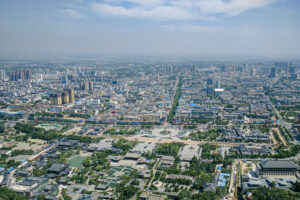
Mount Li After the Terracotta Army: Should You Add It?
Decide whether to add Mount Li after visiting the Terracotta Army, with timing, transport, walking, weather, Huaqing Palace,…
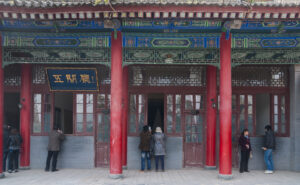
Terracotta Army and Huaqing Palace Day Trip: Is It Worth It?
Decide whether to combine the Terracotta Army and Huaqing Palace in one day, with route order, transport tradeoffs,…
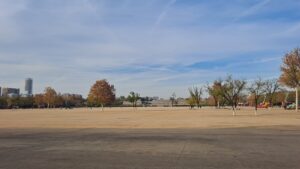
Terracotta Army and Daming Palace in One Day: A Qin-to-Tang History Route
Plan a Terracotta Army and Daming Palace day in Xi an with a realistic museum-first order, return-time buffers,…