Qin Shi Huang Mausoleum is the reason the Terracotta Army exists, but that does not automatically mean every visitor should add the mausoleum area after seeing the warrior pits. The Terracotta Army delivers the strongest visual impact. The mausoleum gives wider burial context, imperial scale, and a clearer sense that the warriors were only one part of a much larger landscape.
This guide is for travelers deciding whether to extend a Terracotta Army visit with the Qin Shi Huang Mausoleum area. It explains who should add it, who should skip it, how to protect the main museum route, and what to check before committing extra time.
Quick decision snapshot
- Add it if: you have enough time, like archaeology and site context, and do not need a fast return to Xi'an.
- Skip it if: you mainly want the iconic warriors, have children or tired travelers, or are already short on time.
- Best order: see the Terracotta Army museum first, then add the mausoleum area only if energy and timing still make sense.
- Main expectation: this is a context stop, not another Pit 1-style visual highlight.
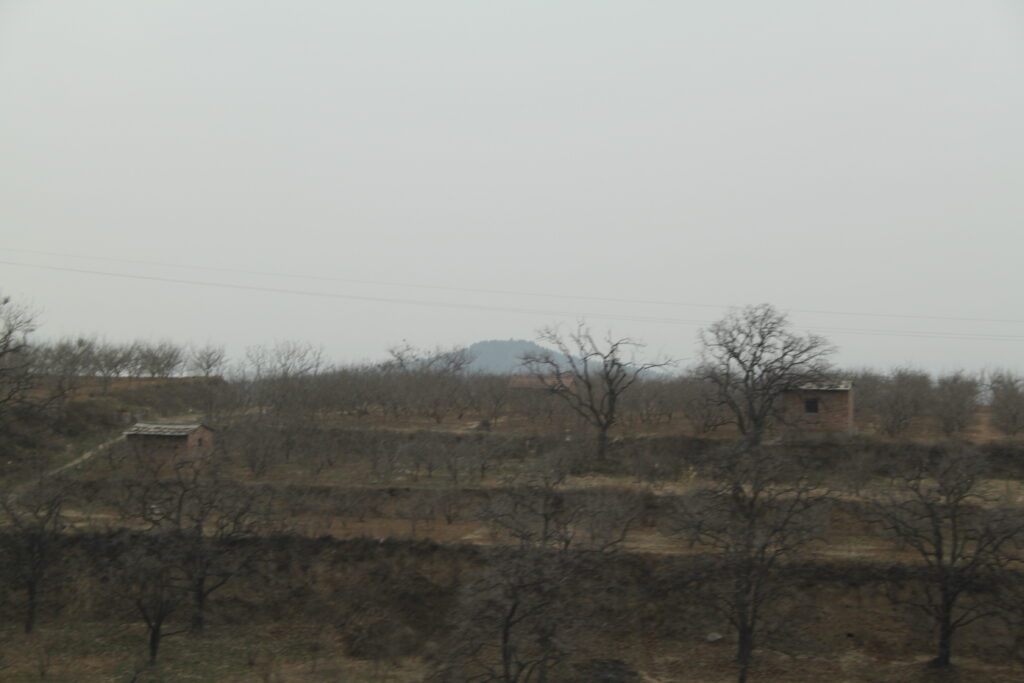
What is Qin Shi Huang Mausoleum?
Qin Shi Huang Mausoleum is the burial complex of China's first emperor. The Terracotta Army is part of that larger funerary landscape, not a separate attraction invented for display. UNESCO lists the Mausoleum of the First Qin Emperor as a World Heritage site, and the official museum site presents the warriors, pits, relics, and mausoleum setting as connected parts of the same historical story.
For visitors, this distinction matters. If you only see Pit 1 and leave, you can still have a successful visit. But if you want to understand why the army was created, how imperial burial planning worked, and why the area is so large, the mausoleum context becomes more valuable.
How it differs from the Terracotta Army pits
The Terracotta Army pits are dramatic because you can look directly into excavation halls filled with figures, formations, restoration work, and scale. The mausoleum area is more about landscape, context, and imagination. It may not give the same immediate visual reward, especially for travelers expecting another hall of warriors.
That is why the mausoleum should be framed correctly. It is not a replacement for Pit 1, Pit 2, Pit 3, or the Bronze Chariots. It is a wider setting that helps those areas make more sense.
Who should add the mausoleum area?
Add it if you are the kind of traveler who enjoys seeing the site around an archaeological discovery, not only the most famous exhibit. History-focused visitors, repeat visitors, archaeology readers, and travelers with a full day in Lintong are the best fit. The stop can also work well if your guide, driver, or route already includes it and the group is not tired.
If you are still building your first route, start with the Terracotta Army museum guide. The mausoleum area should strengthen the main visit, not compete with it.
Who should skip it?
Skip it if your time is tight, if you are visiting between transport connections, or if the group only has energy for the main warriors. Families with young children may also prefer a shorter museum route followed by food or rest. For many first-time visitors, the best use of limited energy is seeing the pits well rather than adding a quieter context area at the end.
If you are traveling with children, compare this decision with the Terracotta Army with kids guide. If someone in the group has mobility concerns, read the accessibility and mobility guide before adding more walking or transfer time.
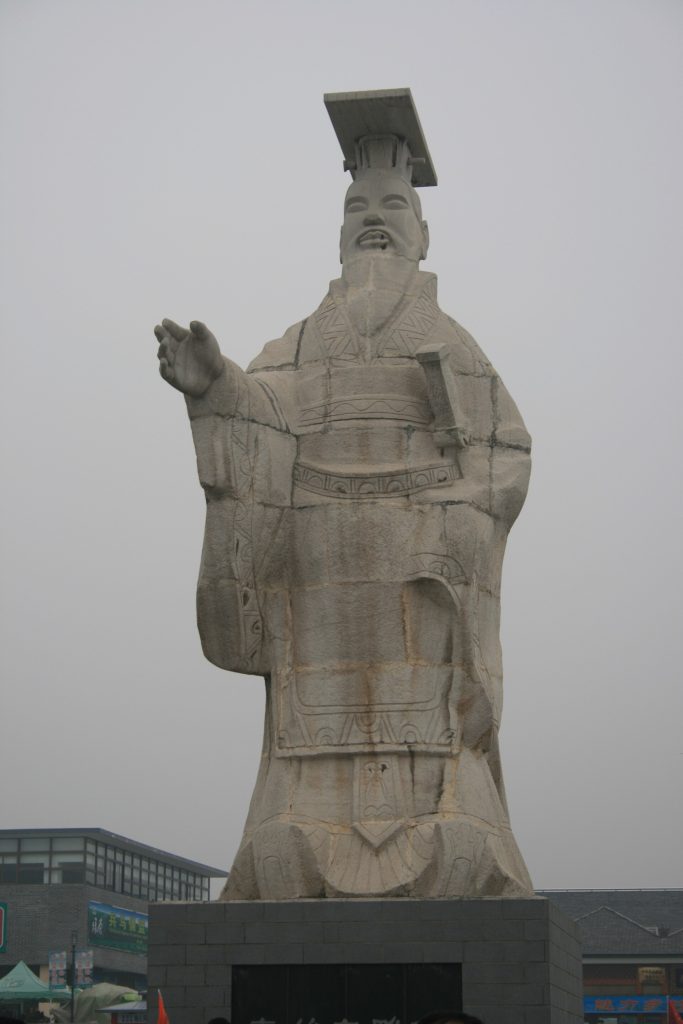
Best order: museum first, mausoleum second
For most first-time visitors, the Terracotta Army museum should come first. It is the core experience and the reason most people travel from Xi'an to Lintong. Start with the main museum route, protect enough time for the pits and key exhibits, then decide whether the mausoleum area still fits.
This order keeps your day flexible. If tickets, crowds, weather, or fatigue slow the visit, you can skip the add-on without losing the main purpose of the trip. If the museum goes smoothly and you still want more context, the mausoleum area becomes a reasonable extension.
How much time should you allow?
Do not add the mausoleum area unless your total day has enough margin. The main museum already needs time for entry, walking, viewing, photos, toilets, and the return route. Extra site context is valuable only when you are not rushing through it.
Use the how long to spend at the Terracotta Army guide to set your baseline. If that timing already feels full, keep the day simple. If you have a full day and a flexible return, the mausoleum area can fit more comfortably.
Tickets, shuttles, and current rules
Ticketing and internal access arrangements can change, so do not rely on old notes about exact procedures. Before visiting, check official ticketing information and follow current on-site guidance. If a shuttle, transfer, or separate access process is operating, confirm how it affects your timing before you leave the main museum area.
The Terracotta Army tickets guide explains why international visitors should handle documents and entry details carefully. This matters even more when you add a second area, because small delays can push the whole day later.
Transport and return to Xi'an
Adding the mausoleum area changes the transport question. A simple museum visit can be planned around one arrival and one return. A longer visit needs more confidence about where you will go next, how you will return, and whether your group still has energy for the ride back to Xi'an.
If you are using public transport, build in more margin. If you are using a taxi, private car, or guide, confirm pickup timing and location clearly. The Xi'an to Terracotta Army transport guide is useful before deciding how ambitious the full day should be.
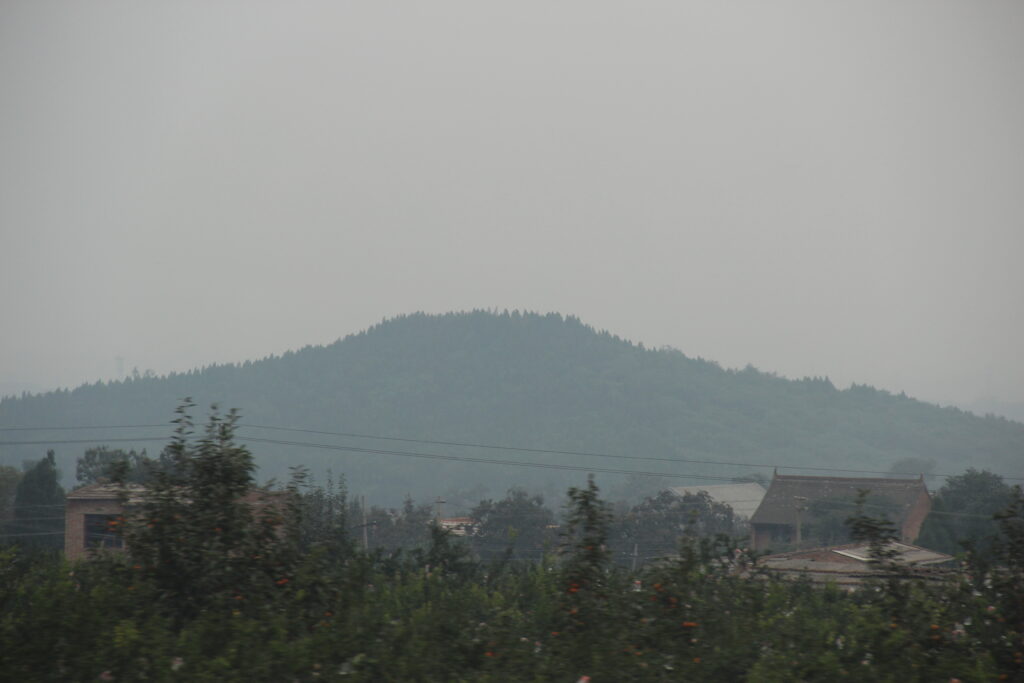
How it compares with Huaqing Palace and Mount Li
Do not stack every nearby add-on into one day without a reason. Huaqing Palace adds Tang history and hot spring context. Mount Li adds scenery and a different physical demand. Qin Shi Huang Mausoleum adds direct imperial burial context for the Terracotta Army. These are different choices, not a checklist.
If you are choosing between add-ons, compare the Huaqing Palace day trip guide and the Mount Li guide. For a visitor focused on the first emperor and the warriors, the mausoleum context is usually more directly connected than either of those side trips.
Crowds, weather, and holidays
Crowds can make an add-on feel heavier than expected. On busy days, the main museum route may already require patience, standing, and slower movement. If your visit falls during a major Chinese holiday, consider whether adding the mausoleum area will improve the day or simply extend the pressure.
The Chinese holidays guide is important for peak dates. Weather also matters because a quieter site-context stop can feel very different in heat, rain, cold, or low visibility. Keep the plan flexible rather than forcing the add-on in poor conditions.
Best plan for first-time visitors
For a first visit, the safest plan is to treat the mausoleum area as optional. Start with the main Terracotta Army museum, follow a clear route, and see the strongest areas well. If the group still has time and interest afterward, add Qin Shi Huang Mausoleum for context. If not, return to Xi'an without regret.
This approach protects the essential experience while leaving room for a deeper visit. It also avoids the common mistake of turning the day into a list of nearby names instead of a coherent understanding of the site.
Before-you-go checklist
- Confirm current ticketing and access arrangements through official channels.
- Make the Terracotta Army museum the first priority.
- Decide whether the group wants context or only the main warrior views.
- Check transport and return timing before adding the extra area.
- Keep weather, holidays, children, seniors, and mobility needs in the decision.
- Skip the add-on if it would rush the main museum route.
Official checks
Use official sources for final decisions: Terracotta Army ticketing information, the Emperor Qinshihuang's Mausoleum Site Museum, and UNESCO's Mausoleum of the First Qin Emperor listing. Entry arrangements, internal transport, visitor services, and holiday controls can change, so check close to your visit date.
So, is Qin Shi Huang Mausoleum worth adding?
Yes, it is worth adding for travelers who want the full imperial burial context and have enough time after the main museum. No, it is not essential for every first-time visitor. The Terracotta Army pits remain the core experience.
The best answer depends on your travel style. If you want one powerful, efficient visit, focus on the museum. If you want to understand the site as a larger mausoleum landscape, add Qin Shi Huang Mausoleum after the warriors and give it enough attention to mean something.

Terracotta Army and Daming Palace in One Day: A Qin-to-Tang History Route
Plan a Terracotta Army and Daming Palace day in Xi an with a realistic museum-first order, return-time buffers,…
Visiting the Terracotta Army in Spring: Weather, Crowds, and What to Wear
Plan a Terracotta Army visit in spring with practical advice on changing weather, Qingming and May holiday crowds,…
Terracotta Army for Solo Travelers: A Practical First Visit Guide
Plan a solo Terracotta Army visit with practical advice on tickets, transport from Xi'an, entry checks, self-guided route…