The Terracotta Army can be planned for visitors with mobility concerns, but the day needs more care than a simple museum stop in central Xi'an. The challenge is not only the pit halls. It is the full sequence: transport from Xi'an, entry flow, walking between areas, standing at viewing points, toilets, rest breaks, weather, crowds, and the return journey.
This guide is for travelers who walk slowly, use a cane, need frequent breaks, travel with older family members, or want to understand the mobility questions before committing to a route. It does not replace current on-site information. Always confirm access arrangements, ticketing details, and visitor services close to your travel date.
Quick accessibility planning snapshot
- Best strategy: choose comfortable transport, keep the route focused, and confirm practical access details before arrival.
- Main pressure points: transfers, entry flow, crowds, standing time, toilets, weather, and the return to Xi'an.
- Best route mindset: protect Pit 1 and shorten secondary areas if the group becomes tired.
- Most important preparation: tickets, documents, mobility aids, water, weather gear, and a realistic backup plan.
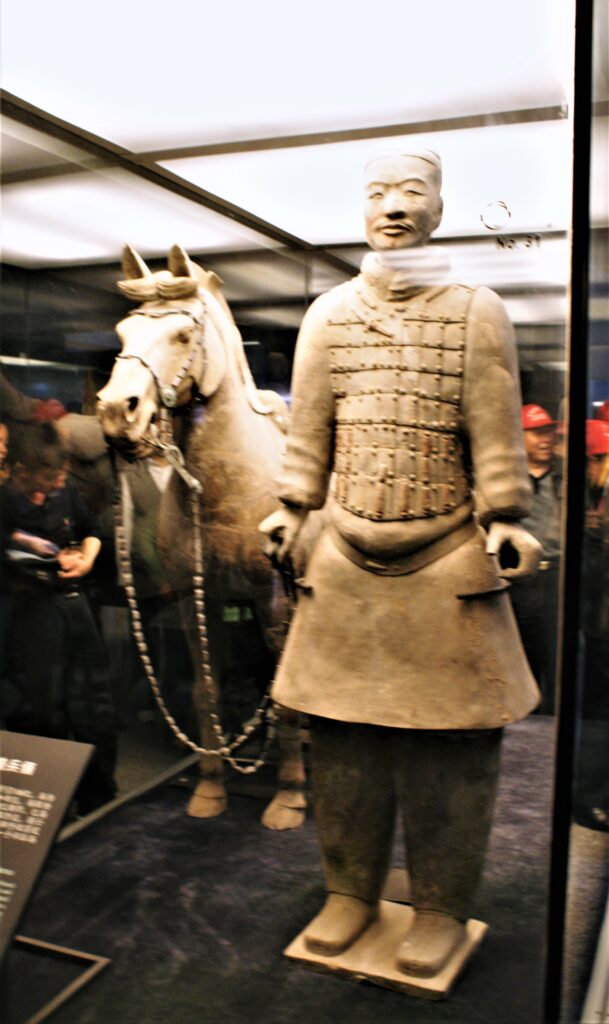
Is the Terracotta Army accessible for visitors with mobility concerns?
Many visitors with slower walking or limited stamina can still have a meaningful visit, especially if the route is focused and transport is comfortable. But the site is large enough that small decisions matter. A person who can handle a short indoor museum may still find a long transfer, crowded viewing railings, and repeated walking tiring.
The safest approach is to plan conservatively. Do not assume that every part of the day will be easy, and do not judge the visit only by whether Pit 1 is covered. Check current official information, ask locally if you need specific assistance, and keep optional stops flexible.
Transport from Xi'an: reduce uncertainty first
Transport is often the most important accessibility choice. Public transport can work for some independent travelers, but it adds transfers, walking, waiting, and navigation decisions. Taxi, ride-hailing, private car, or a guided transfer can reduce friction, especially for visitors who need a predictable pickup and return.
Before choosing, compare the Xi'an to Terracotta Army transport guide. For mobility planning, the best route is not always the cheapest. It is the one that leaves enough energy for the museum itself.
Tickets and documents
Prepare tickets and documents before leaving Xi'an. Entrance delays are harder when someone cannot stand comfortably for long, needs a toilet, or is already tired from the transfer. Keep passports or booking documents easy to reach, and check official ticketing information close to the visit date.
The Terracotta Army tickets guide explains document and booking issues for international visitors. For mobility-sensitive trips, solve these details early instead of trying to handle them at the entrance.
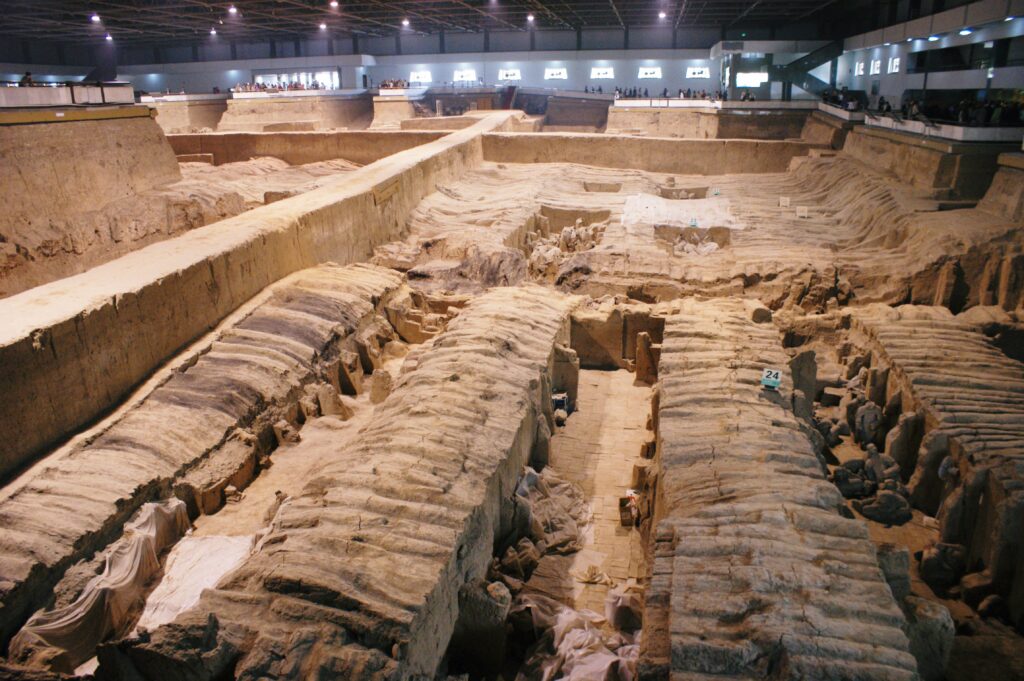
Best route order with limited stamina
Make Pit 1 the anchor. It is usually the most important visual experience and gives the clearest sense of the Terracotta Army's scale. If the group has enough energy afterward, continue to Pit 2, Pit 3, and key exhibits. If not, shorten the route and protect the return journey.
The first-time museum guide explains the normal route. For mobility planning, treat that route as flexible. A shorter visit that covers the main story well is better than a complete route that leaves the group exhausted.
How long to spend
Visitors with mobility concerns often need more time for the same number of stops, but that does not mean the visit should become longer and longer. Extra time should be used for slower walking, toilets, rest, and calm viewing, not for adding every possible side area.
Use how long to spend at the Terracotta Army to set a realistic range. If you prefer a controlled schedule, the half-day itinerary can work well when transport is arranged and the route is kept focused.
Walking, standing, and rest breaks
The main difficulty is often accumulated effort: walking from transport, moving between halls, standing at railings, waiting for views, finding toilets, and walking back afterward. Build in breaks before someone is exhausted. Do not save all rest for the end.
Wear stable shoes, keep bags light, and avoid carrying items that make balance or movement harder. The what to wear guide is useful because shoes and bag weight can affect mobility as much as the route itself.
Crowds and viewing positions
Crowds can make a mobility-sensitive visit harder even when the route is otherwise manageable. Dense railings mean more standing, slower movement, and fewer easy places to pause. If a viewing area is packed, wait calmly for an opening or move to a less congested angle rather than forcing a position.
The crowd avoidance guide gives broader timing and route advice. For accessibility, crowd planning is not only about better photos. It is about reducing standing stress and keeping the group together.
Older travelers
Older travelers may not need formal assistance but may still benefit from mobility planning. The issues are usually stamina, standing time, toilets, weather, and transport comfort. A slow, focused route can make the visit much more enjoyable.
If your group includes parents or grandparents, read the senior travelers guide together with this article. The senior guide focuses on pacing, while this guide adds more mobility-specific questions to confirm.
Families and mixed-ability groups
Mixed groups need a route that works for the slowest comfortable pace. Children may want to move quickly, while older visitors may need breaks. Choose meeting points, keep the route simple, and avoid splitting the group unless everyone understands the plan.
The Terracotta Army with kids guide can help families keep children engaged, but a mobility-sensitive family visit should still protect rest and toilet breaks first.
Weather and mobility planning
Weather changes mobility comfort. In summer, heat can make walking and waiting harder; read the summer visit guide if you travel in hot months. In winter, cold transfers and shorter daylight matter; the winter guide helps with that planning.
Rain can make shoes, surfaces, umbrellas, and pickup points more difficult even if the main pit halls are covered. If rain is possible, use the rainy-day guide and keep the route less ambitious.
Airport, holidays, and add-ons
Airport arrival days are risky for mobility-sensitive visits because luggage, flight delays, fatigue, and transfer uncertainty stack together. If you are considering a direct airport-to-museum plan, read the Xi'an Airport to Terracotta Army guide before committing.
Chinese holidays can also make the visit harder because crowds, tickets, traffic, and return transport become less predictable. The Chinese holidays guide is important if your dates overlap with a peak period.
Be cautious with Huaqing Palace or Mount Li after the museum. Huaqing Palace adds another site and more walking. Mount Li is even more dependent on stamina and weather. For many mobility-sensitive visitors, the best day is the Terracotta Army plus a calm return to Xi'an.
What to confirm before arrival
- Current ticketing and document requirements.
- Whether any needed assistance or accessible service is available on your visit date.
- Where your transport will drop off and pick up.
- How luggage or mobility aids will be handled.
- Whether your group can shorten the route if needed.
- Where toilets and rest breaks fit into the plan.
- Whether weather or holiday crowds require a simpler schedule.
Official checks
Use official sources for final entry and museum information: Terracotta Army ticketing information and the Emperor Qinshihuang's Mausoleum Site Museum. Ticketing arrangements, access controls, visitor services, and route conditions can change, so check close to the day you visit and follow on-site guidance.
Best accessibility plan for most visitors
For most visitors with mobility concerns, the best plan is comfortable transport, tickets prepared in advance, Pit 1 as the main anchor, a flexible route, light bags, practical shoes, and enough time for breaks. Do not measure the success of the day by how many stops you attach to it.
A good mobility-sensitive Terracotta Army visit lets the main story come through without turning the day into a test of stamina. See the strongest areas well, keep the return easy, and leave optional extras optional.
Qin Civil Officials at the Terracotta Army: What Pit K0006 Reveals
Discover the Qin mausoleum civil officials of Pit K0006: why their folded sleeves, charioteers, colours, and separate setting…
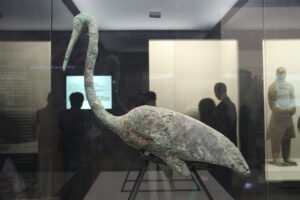
Bronze Water Birds at the Qin Mausoleum: Cranes, Swans, and Geese
A visitor guide to the bronze water birds from the Qin mausoleum: why cranes, swans, and geese matter,…
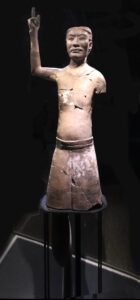
Terracotta Army Acrobats and Strongmen: The Figures Beyond the Soldiers
Meet the Qin mausoleum acrobats and strongmen: why they are different from the Terracotta Army soldiers, what Pit…