Winter can be a practical time to visit the Terracotta Army if your main goal is the museum itself. The warrior pits are not a summer-only experience, and colder weather can make some parts of the day feel calmer than peak travel periods. The trade-off is that transfers, waiting, daylight, and any outdoor add-ons need more careful planning.
This guide is for travelers visiting Xi'an in winter who want to know whether the Terracotta Army is still worth the trip, how cold weather changes the route, and what to avoid. It works best alongside the broader best time to visit the Terracotta Army guide if you are still comparing seasons.
Quick winter planning snapshot
- Best winter strategy: keep the museum as the anchor and avoid loading the day with too many outdoor extras.
- Biggest comfort issue: the transfer, entrance movement, and waiting time can feel colder than the pit halls.
- Crowd pattern: ordinary winter weekdays can be calmer, but weekends, school breaks, and major holidays can still be busy.
- Most important preparation: tickets, documents, warm layers, predictable transport, and a realistic return plan.
Is winter a good time to visit?
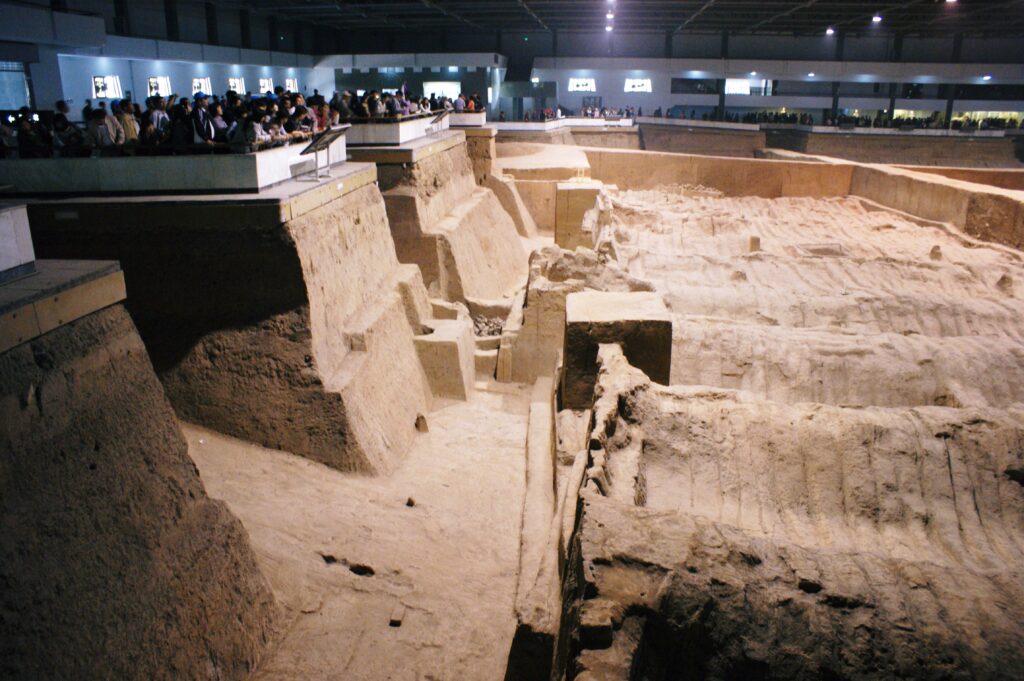
Winter can be a good time if you value fewer heat problems and a more focused museum day. The Terracotta Army is not like a scenic mountain route where the whole experience depends on warm weather. Much of the core visit is about the covered pit halls and museum displays, so the site can still be meaningful in cold months.
The weaker side of winter is the travel experience around the museum. You may have cold wind, darker afternoons, less interest in long outdoor wandering, and a stronger need for a comfortable return to Xi'an. If you are choosing between seasons, the summer visit guide shows the opposite problem: heat and fatigue rather than cold and daylight.
How cold weather changes the day
Cold weather usually affects the edges of the visit more than the main visual experience. The pits themselves remain the core attraction, but getting from your hotel to the site, walking between areas, queuing, finding transport back, and deciding whether to add another stop can all feel different in winter.
Dress for the whole day, not only for the museum halls. Warm layers, comfortable shoes, a scarf or hat, and pockets that keep tickets and documents easy to reach are more useful than bulky luggage. If you are traveling with older family members, read the senior travelers guide because winter makes pacing and rest planning more important.
Winter crowds: quieter, but not always quiet
A normal winter weekday may feel easier than summer vacation or major national holiday periods, but winter is not automatically empty. Weekends, school breaks, New Year periods, and Spring Festival travel can still create crowd pressure. The safest assumption is that winter can reduce some pressure, but it does not remove the need for planning.
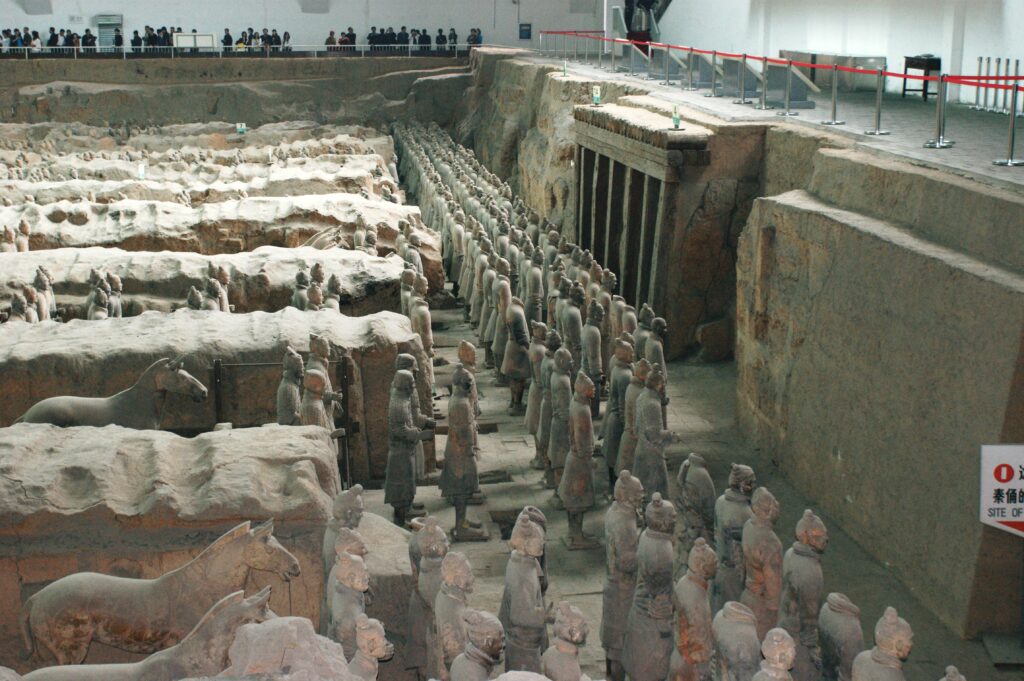
If the site is quieter, use that advantage well: spend more time at Pit 1, move slowly enough to compare faces and formations, and avoid rushing to add a second attraction. If it is crowded, keep the route simple and do not chase every photo angle. The museum is still more satisfying when the route is controlled.
Best route order in winter
Use the strongest viewing area early. For most visitors, Pit 1 should remain the anchor because it gives the clearest sense of scale. After that, add Pit 2, Pit 3, and key exhibits according to energy, interest, and crowd conditions. Winter is not the time to stretch the route just because it looks efficient on a map.
If you need a simple structure, start from the first-time museum guide and shorten it where needed. The goal is not to see less because it is winter. The goal is to use the best part of the day for the most important areas and leave enough comfort for the return trip.
How long to spend in winter
Winter visits often work best when they are focused rather than stretched. You still need time for the main pits, photos, toilets, walking, and a break, but very long museum days can make the late-afternoon return feel colder and more tiring. Shorter daylight also reduces the margin for adding outdoor sights after the museum.
Before choosing a schedule, compare how long to spend at the Terracotta Army with the Terracotta Army half-day itinerary. For many winter visitors, a strong half day with good transport is better than a full day that becomes slow, cold, and overextended.
Transport from Xi'an in winter
Transport matters more in winter because waiting outside is less comfortable. Public transport can still work for confident independent travelers, but extra transfers, platform waits, and walking can feel harder in cold weather. Taxi, ride-hailing, private transfer, or a guided arrangement may be worth the extra cost if comfort and predictability matter.
Use the Xi'an to Terracotta Army transport guide before choosing. In winter, the return plan is just as important as the outbound plan. A route that feels easy in the morning may feel less appealing after several hours of walking, cold air, and museum crowds.
Tickets and entry preparation
Do not leave ticket and document preparation until you reach the site. Cold weather makes entrance delays feel longer, and it is easier to make mistakes when people are standing outside, checking phones, or searching bags. Keep passports or booking documents easy to reach and check official ticketing information close to your visit date.
The Terracotta Army tickets guide covers the main planning points for international visitors. Use it before you leave Xi'an so the entrance is a short step in the day, not the first problem.
Guide or independent visit?
A guide can be useful in winter if it reduces route decisions, keeps explanations focused, and helps the group move efficiently. The best winter guide is not the one who talks the longest. It is the one who helps visitors understand the site without standing too long in one place or wasting energy on unnecessary stops.
Independent visits can work well if you are comfortable with transport and already know the museum order. If you are unsure, compare the options in the Terracotta Army with or without a guide article. Winter makes convenience more valuable, especially for first-time China visitors, families, and older travelers.
Families and winter visits
Families can visit in winter, but children may lose patience during cold transfers or waiting. The main pits are still visually strong, so a shorter, clearer route often works better than a long history-heavy plan. Keep snacks, warm layers, and toilet breaks practical.
If you are traveling with children, adapt the route from the Terracotta Army with kids guide. In winter, the family priority is not only keeping children interested. It is also keeping the day warm, simple, and easy to end well.
Rain, snow, and poor visibility
Winter weather can include dry cold, rain, wind, or occasional snow. The main covered pit halls help protect the core museum experience, but wet or icy movement outside can slow the day. If the forecast is wet, the rainy-day Terracotta Army guide is still useful because many of the same transfer and shoe choices apply.
Do not build the day around perfect outdoor photos. Focus on the museum first, then decide whether anything else still makes sense. If the weather is poor, a warm meal back in Xi'an may be a better use of the afternoon than forcing a second stop.
Should you add Huaqing Palace or Mount Li in winter?
Be selective with nearby add-ons. Huaqing Palace can still be paired with the Terracotta Army if you have good transport, enough daylight, and real interest in the site. But it adds a second attraction and more outdoor movement, so it should not be automatic.
Mount Li needs more caution in winter because cold, wind, daylight, and walking comfort affect the experience. If the museum already feels like enough, return to Xi'an. A well-paced winter museum day is better than a complete itinerary that ends with everyone tired and cold.
Winter packing and planning checklist
- Check official ticketing and entry information before leaving Xi'an.
- Choose transport that keeps the return easy and predictable.
- Wear warm layers and comfortable shoes for transfers and outdoor movement.
- Keep passports or booking documents easy to reach.
- Make Pit 1 the main route anchor and adjust the rest by energy.
- Leave extra time for toilets, warm drinks, and slower movement.
- Keep Huaqing Palace, Mount Li, and other add-ons optional.
- Avoid very tight late-afternoon plans after the museum.
Official checks
Use official sources for final entry and museum information: Terracotta Army ticketing information and the Emperor Qinshihuang's Mausoleum Site Museum. Ticketing arrangements, access controls, opening details, and holiday measures can change, so check close to the day you visit.
Best winter plan for most visitors
For most winter visitors, the best plan is simple: choose comfortable transport, start early enough to protect daylight, enter with tickets and documents ready, give Pit 1 proper time, and keep optional sights truly optional. Winter can be a good season for the Terracotta Army when the day is built around the museum rather than an overloaded route.
If you leave with a clear memory of the scale of the warriors, the excavation pits, and the story behind the site, the visit has worked. You do not need warm weather or a packed itinerary for the Terracotta Army to be worthwhile.
Qin Civil Officials at the Terracotta Army: What Pit K0006 Reveals
Discover the Qin mausoleum civil officials of Pit K0006: why their folded sleeves, charioteers, colours, and separate setting…
Bronze Water Birds at the Qin Mausoleum: Cranes, Swans, and Geese
A visitor guide to the bronze water birds from the Qin mausoleum: why cranes, swans, and geese matter,…
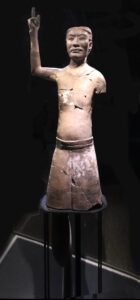
Terracotta Army Acrobats and Strongmen: The Figures Beyond the Soldiers
Meet the Qin mausoleum acrobats and strongmen: why they are different from the Terracotta Army soldiers, what Pit…