The best time to visit the Terracotta Army is not only a weather question. Much of the core viewing is indoors, so crowd timing, holiday pressure, transport comfort, and how the museum fits your Xi'an itinerary can matter as much as season. This guide helps you choose a realistic window rather than chasing a perfect answer.
Timing at a glance
- Best overall: a normal weekday outside major Chinese holiday peaks.
- Most comfortable seasons: spring and autumn are usually easier for a wider Xi'an itinerary.
- Biggest risk: holiday crowds combined with a rushed transport or ticket plan.
Morning or afternoon
Morning visits work well if you want the museum to anchor the day. They leave more margin for transport delays, ticket checks, exhibits, photos, and the return to Xi'an. Afternoon visits can be fine, especially if your morning is already fixed, but they create less room for unexpected friction.
If you are not sure, choose the window that gives you the most buffer. A relaxed visitor usually sees more than a rushed visitor, even if the rushed visitor technically enters at a popular time.
Weekdays, weekends, and holidays
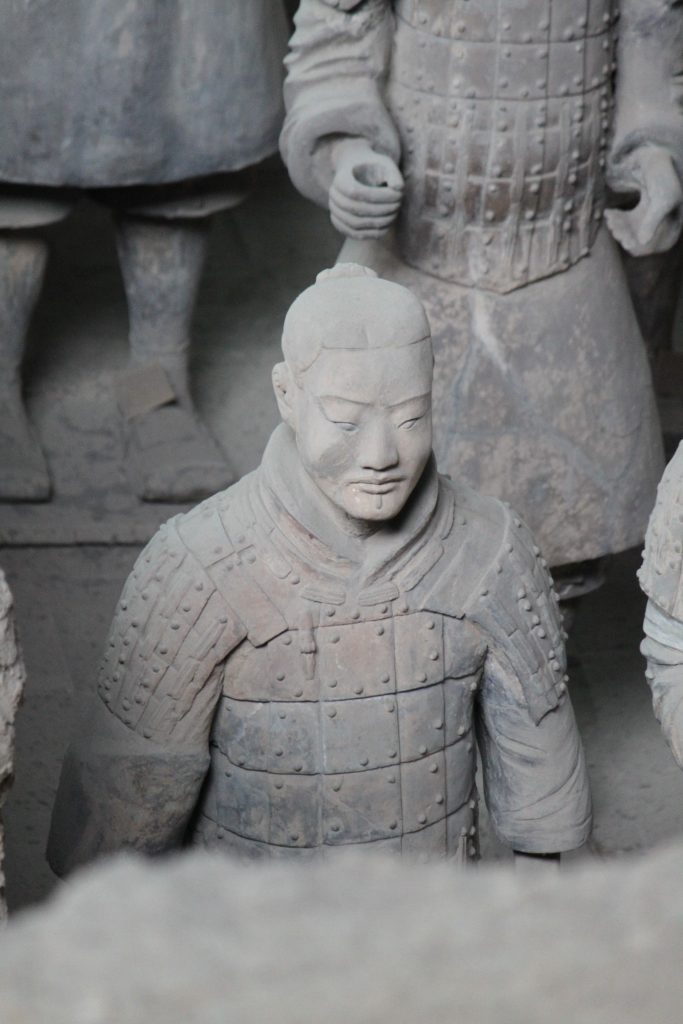
A normal weekday is often the easiest choice for first-time visitors. Weekends can still work with preparation, but the museum may feel busier and transport demand can rise. Major Chinese holiday periods are different: they can affect ticket pressure, entrance flow, photo angles, toilets, restaurants, and return transport.
If your dates fall in a peak period, do not try to make the day too ambitious. Read the tickets guide, simplify transport, and avoid adding too many extra sights after the museum.
Season by season
Spring is usually comfortable for wider Xi'an travel, but popular dates can still be busy. Summer can be hot and tiring, so water, shade, and air-conditioned transfers matter. Autumn often offers good travel comfort. Winter can be practical if your main focus is the museum, though cold weather and shorter daylight affect the rest of the day.
Because the main pits are covered, bad weather does not automatically ruin the visit. The real issue is the travel chain around the museum: getting there, walking between areas, waiting, and returning to Xi'an comfortably.
Families, seniors, and photographers
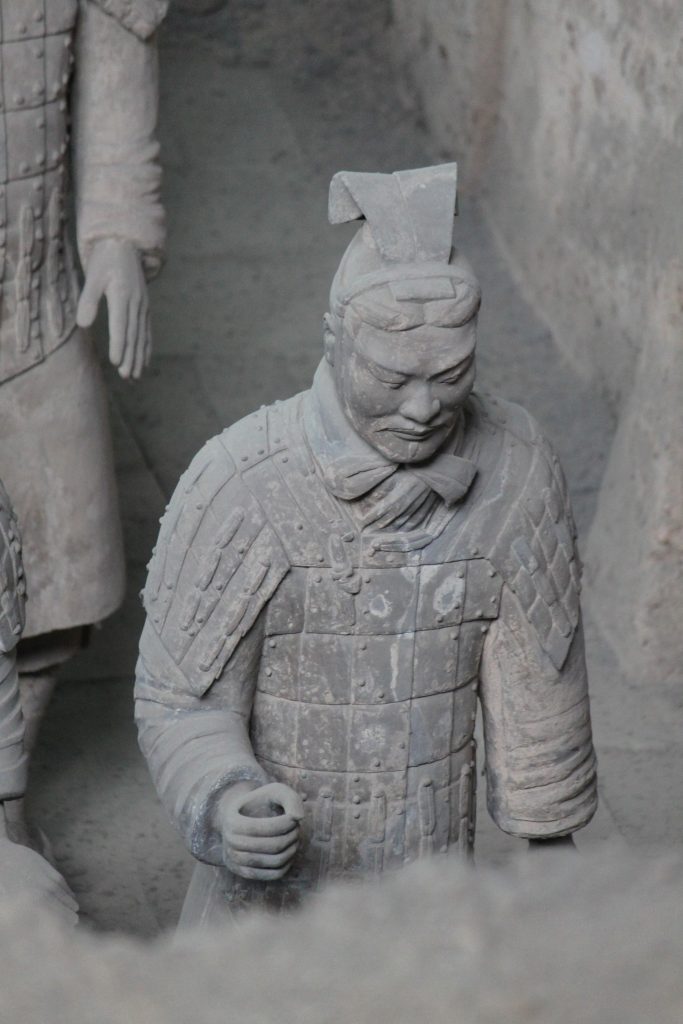
Families and senior travelers should choose the least stressful time, not the theoretically most efficient time. Avoid tight connections, leave time for toilets and rest, and choose transport that reduces walking before and after the museum. For photographers, patience and route timing matter more than one fixed hour.
If a family or senior traveler needs a slower pace, use the duration guide and consider whether a guide or private transfer will make the day smoother.
Combining with other Xi'an sights
If the Terracotta Army is the main reason for the day, let it be the main event. Huaqing Palace, Mount Li, city walls, food streets, railway transfers, and airport plans can all compete for energy. Add a second stop only when ticket timing, transport, and walking distance still feel realistic.
The half-day itinerary is the best starting point if you want to keep the museum focused and return to Xi'an without overloading the day.
Before-you-go checklist
Choose a weekday if your schedule allows. Check ticket rules near the visit date. Avoid major holiday peaks when possible. Keep the museum as the anchor of the day. Add transport buffer before and after the visit. Bring weather basics even though the main viewing areas are indoors.
Use official hours before choosing a window
The official ticketing page currently lists ticket checking from 8:30, with stop-checking times that differ between low and peak seasons. Major holidays may follow separate notices, so the safest habit is to check the official page again close to the date instead of relying on an old itinerary screenshot.
Because the core pits are covered, weather is only one part of timing. Entry flow, transport comfort, crowd pressure, and how tired your group will be after returning to Xi'an often matter more than a perfect temperature forecast.
Best choice for different travelers
First-time visitors with flexible plans should usually choose a normal weekday and make the Terracotta Army the anchor of the day. Families and senior travelers should choose the time with the least logistical stress, not the time that looks most efficient on paper.
Photographers should be realistic: the museum is a major visitor site, and an empty-hall expectation can make the day frustrating. Better photos often come from patience, moving along the route, and returning to a good angle when the crowd shifts.
Peak-period planning
If your dates fall during Chinese public holidays, simplify the day. Confirm tickets earlier, choose easier transport, keep the museum route focused, and do not add multiple distant sights after the visit.
Use the half-day itinerary for a controlled plan, then add extras only if transport, tickets, and group energy still leave room.
How to choose when your dates are fixed
If your Xi'an dates are fixed, do not spend too much energy regretting the season. Improve the parts you can control: book or verify tickets early, leave the city with more buffer, choose a simpler return, and avoid stacking the museum with several demanding stops.
For summer, plan water, shade breaks, and less walking before the museum. For winter, think about daylight and cold-weather comfort around the transfer. For holidays, treat crowd management as the main planning task and keep the route simple.
Related planning guides
- Terracotta Army Tickets Guide
- How Long to Spend at the Terracotta Army
- Xi’an to Terracotta Army by Metro, Bus, Taxi, or Private Car
- Terracotta Army Half-Day Itinerary
Official checks before you go
For timing decisions, check current official ticket-checking times and holiday notices before committing to a morning or afternoon plan. See the official ticketing information, the museum website, and the UNESCO World Heritage listing. Use those sources to confirm the current entry window before choosing a morning or afternoon plan.
Terracotta Army and Daming Palace in One Day: A Qin-to-Tang History Route
Plan a Terracotta Army and Daming Palace day in Xi an with a realistic museum-first order, return-time buffers,…
Visiting the Terracotta Army in Spring: Weather, Crowds, and What to Wear
Plan a Terracotta Army visit in spring with practical advice on changing weather, Qingming and May holiday crowds,…
Terracotta Army for Solo Travelers: A Practical First Visit Guide
Plan a solo Terracotta Army visit with practical advice on tickets, transport from Xi'an, entry checks, self-guided route…