The Terracotta Army entered the modern world through a chance discovery in 1974, when people digging a well in the Lintong area encountered fragments of fired clay. What followed was not the opening of a single hidden room. It became a long archaeological project around the mausoleum complex of China’s First Emperor, with excavation, conservation, research, and visitor access all moving at different speeds.
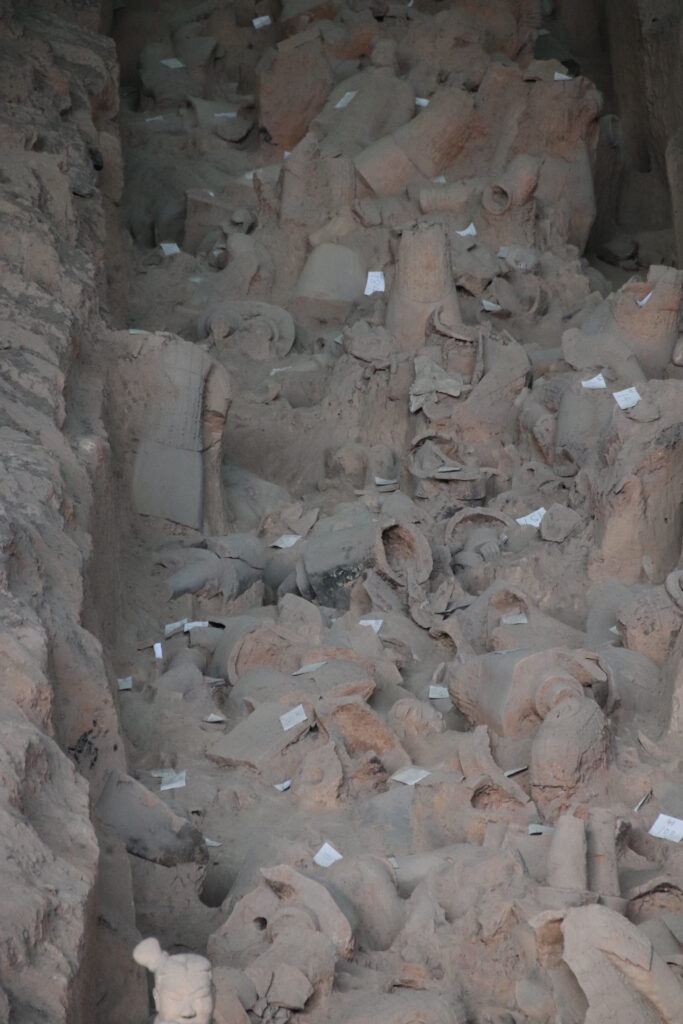
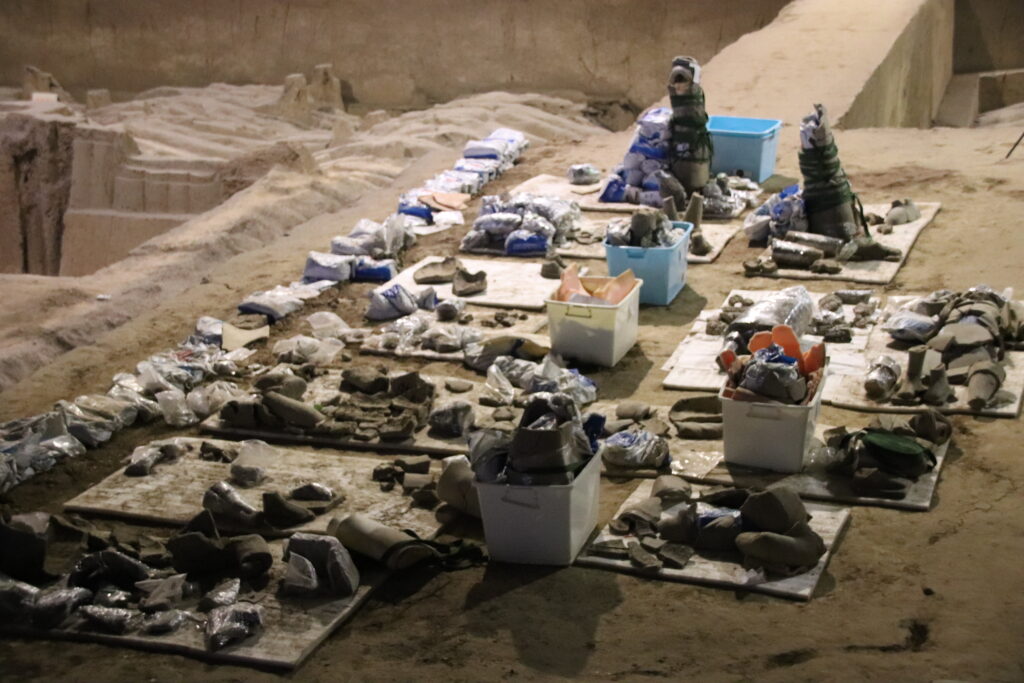
That origin story gives the museum a useful perspective. The famous ranks in photographs are only one part of what you are seeing. Earth walls, broken fragments, repaired figures, work areas, and carefully limited viewing positions all belong to the same story. Once you see the pits as an active archaeological site, a visit becomes more rewarding than simply counting how many warriors are visible.
Quick answer
- When was the Terracotta Army discovered? In 1974, during well-digging near the mausoleum complex in Lintong, east of Xi’an.
- Was everything uncovered at once? No. The discovery led to systematic archaeological work that has continued in stages.
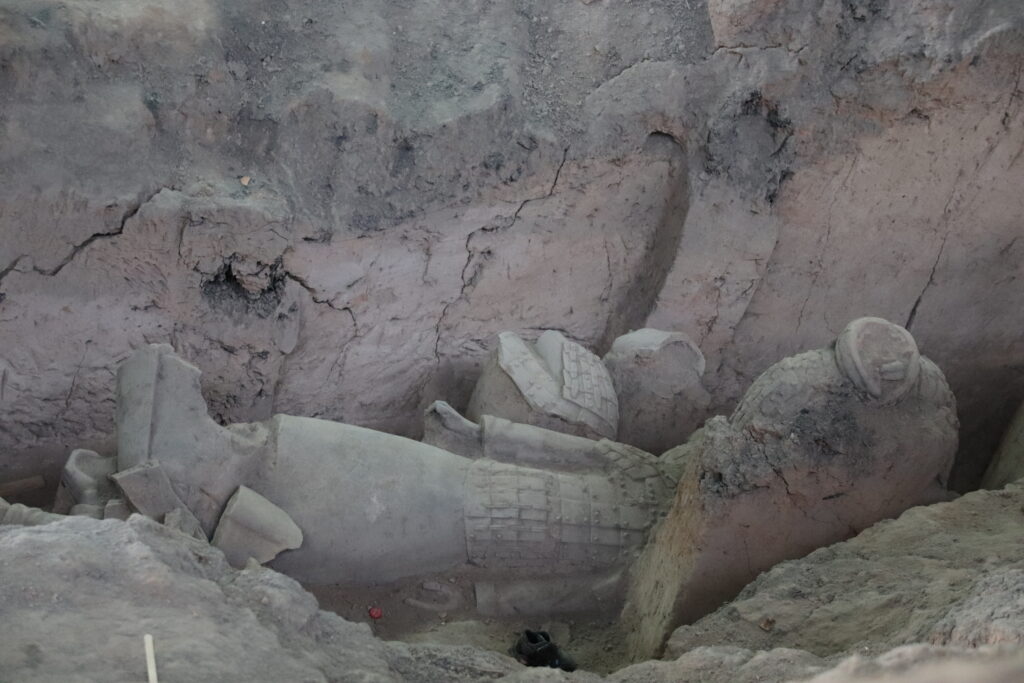
- Why are some figures broken or incomplete? Burial conditions and the collapse of the original structures damaged many figures; excavation and conservation are part of the museum story.
- What should a visitor do differently? Notice the ground, walls, fragments, and repairs as well as the standing figures.
- Best starting point: follow the museum route, then give yourself time to compare the three pits instead of treating Pit 1 as the whole site.
What happened in 1974
The basic account is simple: a well-digging team encountered terracotta material in 1974, and the find drew archaeological attention to the area. The significance soon became clear. The material belonged to a far larger funerary landscape associated with the First Qin Emperor, rather than to a small isolated cache of statues.
It is tempting to imagine the entire army appearing in one dramatic moment. In reality, the most useful way to understand the discovery is as a sequence: an unexpected find, investigation of the surrounding ground, identification of larger structures, then years of excavation and preservation. The UNESCO listing for the Mausoleum of the First Qin Emperor places the warriors within that wider heritage site.
Why the discovery changed what historians could see
The Terracotta Army matters not only because of its scale, but because many kinds of evidence appear together: human figures, horses, chariots, weapons, traces of colour, construction features, and the arrangement of the pits themselves. A standing warrior is impressive on its own. Seen in relation to the surrounding earth and neighbouring objects, it can also reveal something about organisation, craft, and burial practice in the Qin period.
For a visitor, this is a reason to look beyond the most photogenic row. The guide to details worth noticing is useful once you want to slow down, while the guide to the warriors' lost colours explains why today’s grey clay surface does not tell the whole original visual story.
Why excavation is deliberate, not a race to uncover everything
Visitors sometimes assume that an unexcavated section means something has been overlooked. At a site like this, restraint can be part of responsible preservation. Freshly exposed materials can be vulnerable, and every excavation decision changes the evidence available for future study. Archaeologists therefore work in stages, recording context and balancing discovery with conservation.
This is also why fragments deserve attention. A broken arm, head, or armour plate may look less dramatic than a complete figure, yet it can preserve information about position, construction, decoration, and the conditions underground. The restoration and fragments guide helps make sense of those quieter but important parts of the museum.
How to read the three pits after knowing the discovery story
Start with the recommended museum route, because it protects the major sights from being rushed. In Pit 1, take in the extraordinary scale first, then look at the earth partitions, depth, and the relationship between standing figures and repaired areas. The size is impressive, but the setting explains why the find took so long to understand.
In Pit 2, slower observation often pays off. The pit gives you more opportunity to notice separate areas, excavation context, and the difference between a complete display and material still under study. Pit 3 is smaller, but it should not be treated as an optional footnote: its contrast with the other pits helps visitors see that the complex is structured, not a single repeated scene.
What broken figures tell you
Many visitors arrive expecting an army of pristine statues. The broken material can initially feel disappointing, but it is one of the clearest links to the discovery itself. Collapse, pressure, moisture, and time affected objects underground long before modern excavation began. The careful reassembly visible in some areas is not decorative restoration; it is a way of preserving and interpreting an archaeological record.
When you see a repaired figure, look for the join lines, nearby fragments, and the part of the pit where it stands. There is no need to guess at missing details. A more satisfying approach is to ask what remains visible and how the museum presents the object honestly. That habit makes even a short visit feel more attentive.
A practical viewing method for first-time visitors
Use a simple three-step method. First, pause at a wide viewpoint and identify the pit’s overall shape, earth walls, and areas of standing figures. Second, choose one smaller zone and look for fragments, repairs, or differences in preservation. Third, step back and connect that close observation to the larger formation. This takes only a few minutes and works even when the museum is busy.
For a fuller first visit, pair that approach with the first-time museum guide. It covers the practical side of arrival and pacing, leaving this article to add the historical lens that makes the visual experience richer.
Three common misunderstandings to avoid
- “All of the warriors were found standing exactly as they are now.” Many figures were discovered damaged, and the present view includes careful conservation and reconstruction.
- “The pits are a finished museum set.” They are visitor-accessible archaeological spaces, and ongoing research is part of why they look different from a conventional sculpture gallery.
- “Pit 1 tells the entire story.” It delivers the greatest visual impact, but Pit 2 and Pit 3 add context that makes the complex easier to understand.
Official checks before you go
Confirm admission arrangements through the museum ticketing page and the Emperor Qinshihuang's Mausoleum Site Museum. Follow the current viewing rules and staff guidance when you arrive. Conditions in an active heritage site can change, and the best route is the one that respects both the museum and the people sharing it with you.
Best recommendation
Remember one thing from the discovery story: the Terracotta Army is not just a collection of remarkable sculptures. It is evidence recovered from the ground, piece by piece. Give yourself time to notice the soil, structural walls, fragments, and repairs around the famous ranks. That extra attention makes the visit feel closer to the real scale of the 1974 discovery.
Qin Civil Officials at the Terracotta Army: What Pit K0006 Reveals
Discover the Qin mausoleum civil officials of Pit K0006: why their folded sleeves, charioteers, colours, and separate setting…
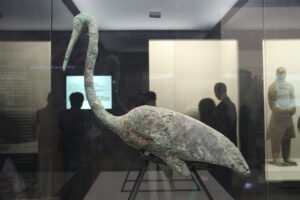
Bronze Water Birds at the Qin Mausoleum: Cranes, Swans, and Geese
A visitor guide to the bronze water birds from the Qin mausoleum: why cranes, swans, and geese matter,…
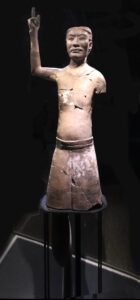
Terracotta Army Acrobats and Strongmen: The Figures Beyond the Soldiers
Meet the Qin mausoleum acrobats and strongmen: why they are different from the Terracotta Army soldiers, what Pit…