Terracotta Warrior Hairstyles and Headgear: What to Notice
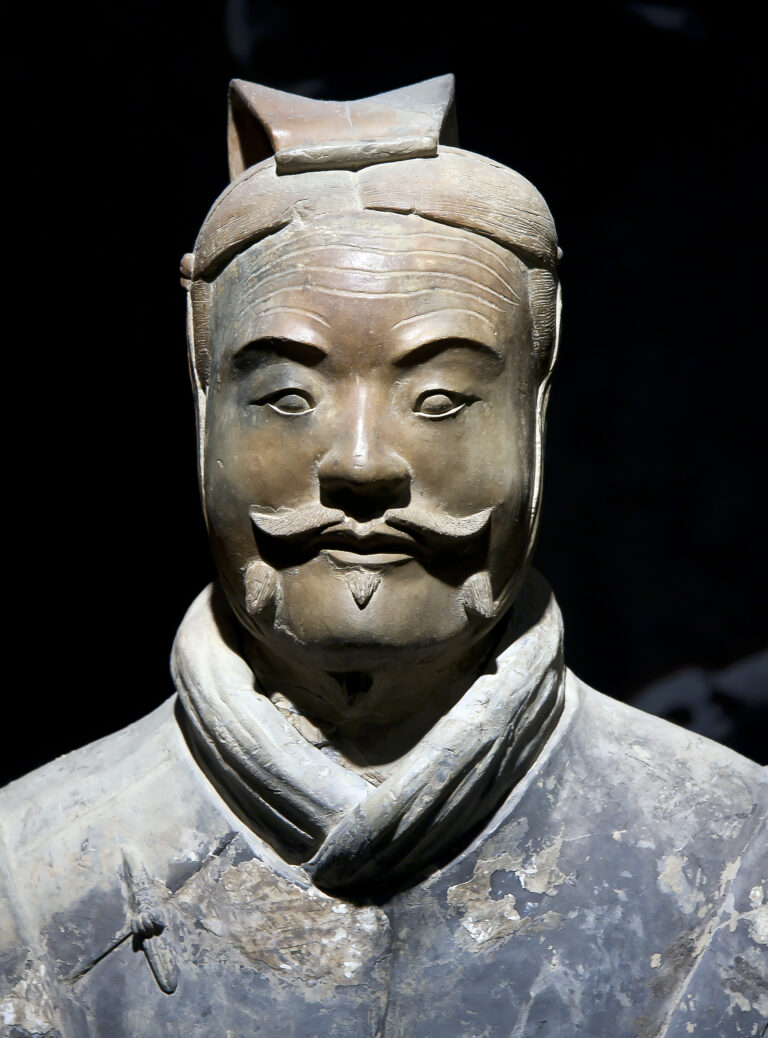
A close-looking guide to Terracotta Warrior hair knots, caps, crowns, and officer headgear, with practical comparisons for a museum visit.
A close-looking guide to Terracotta Warrior hair knots, caps, crowns, and officer headgear, with practical comparisons for a museum visit.
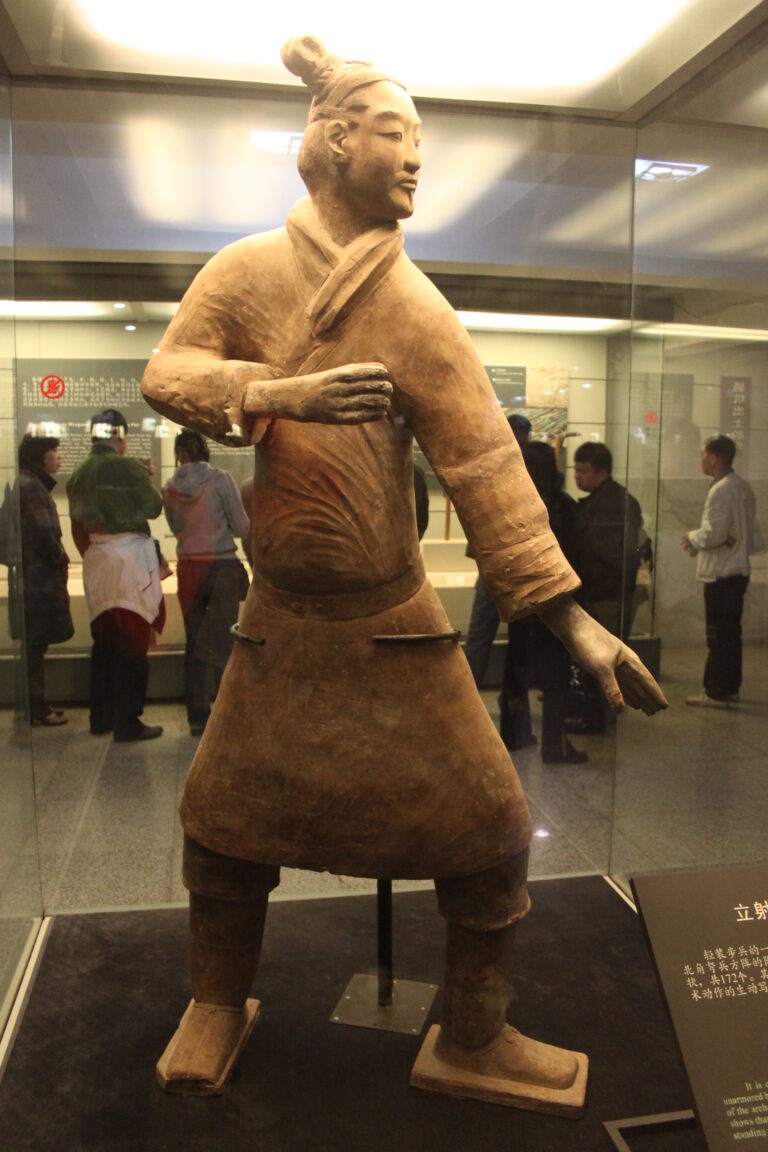
Compare the archers of Pit 2 through their posture, robe folds, armor, and hand positions, with a simple viewing sequence for your museum visit.
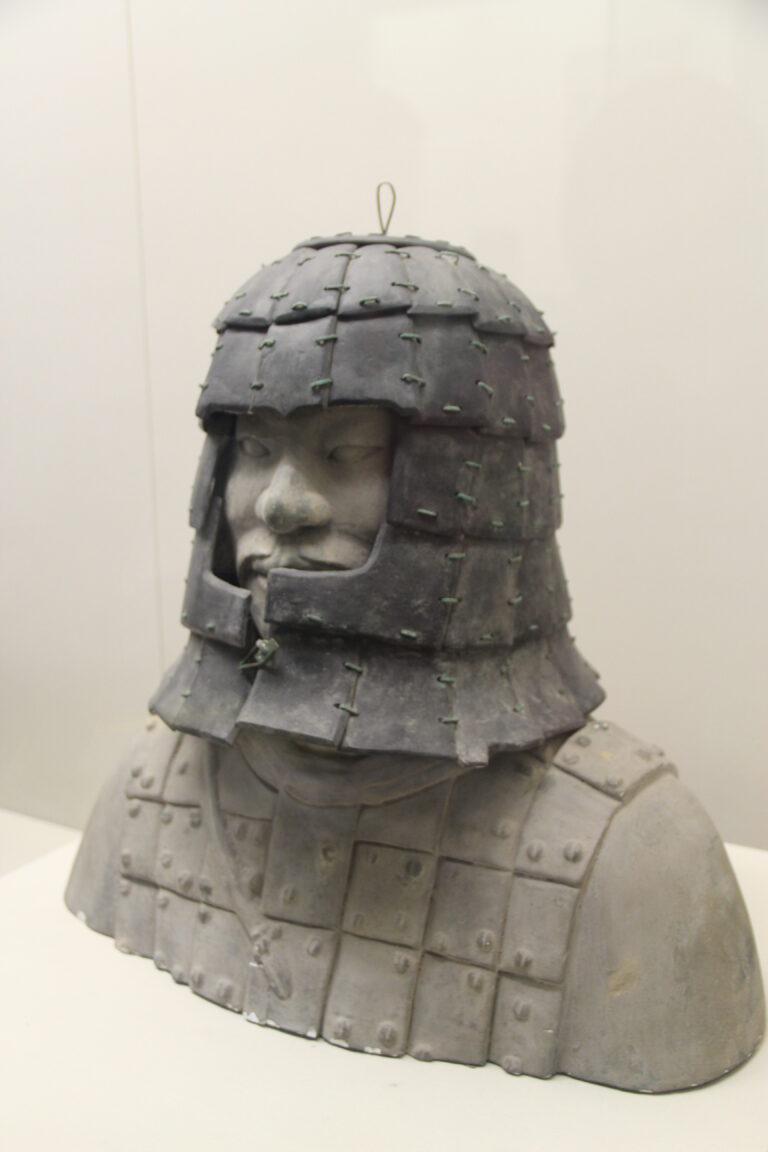
Stone plates, drilled holes, and a helmet assembled for burial: a close-looking guide to Qin stone armor and its place beyond the main warrior pits.
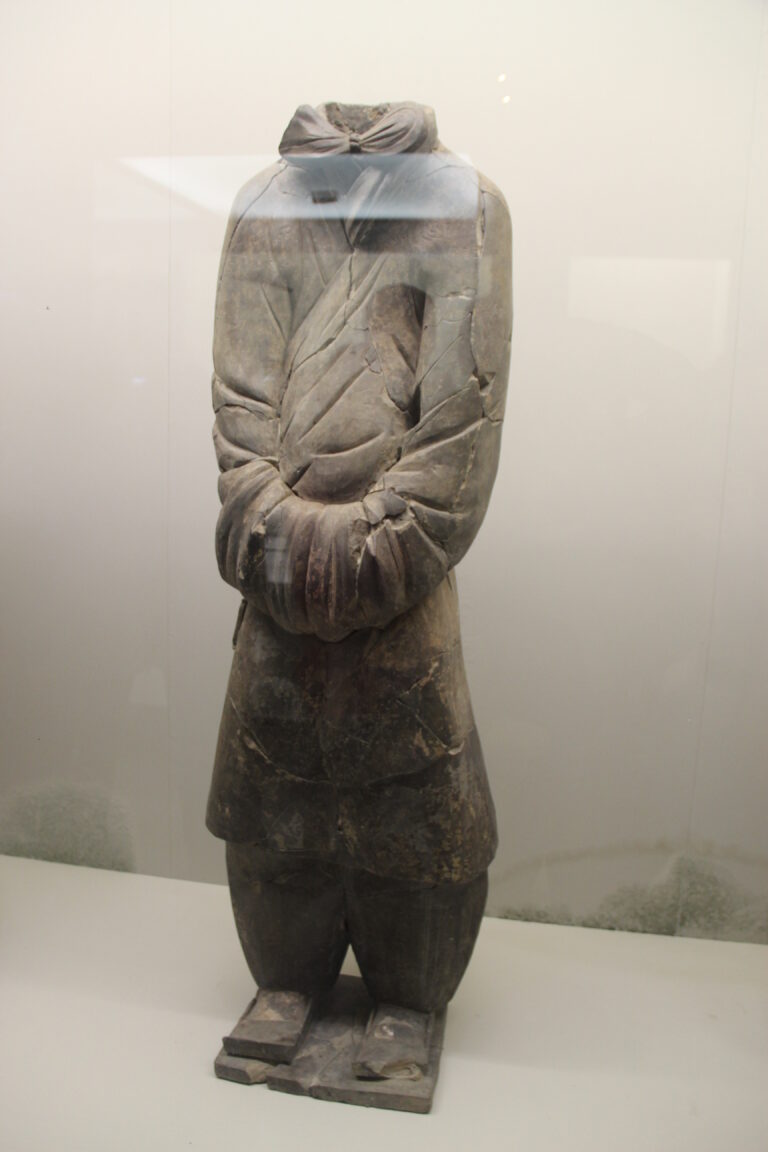
Discover the Qin mausoleum civil officials of Pit K0006: why their folded sleeves, charioteers, colours, and separate setting matter beyond the famous Terracotta Army ranks.
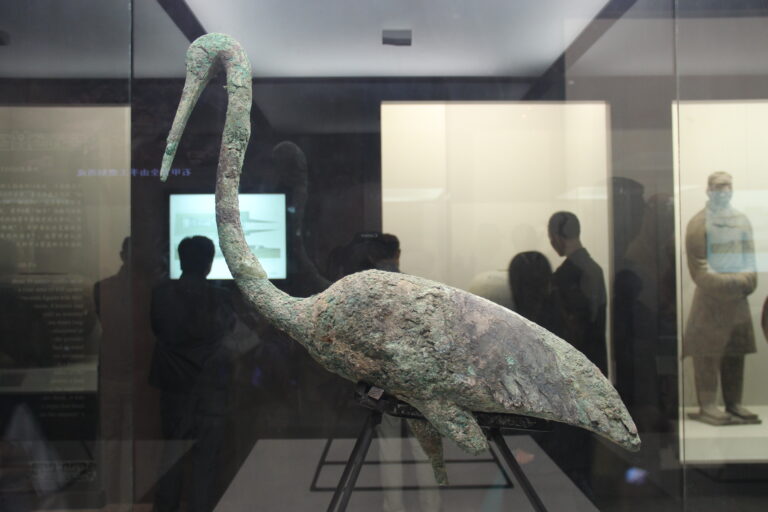
A visitor guide to the bronze water birds from the Qin mausoleum: why cranes, swans, and geese matter, how they differ from the Terracotta Army, and what they reveal about the wider burial complex.
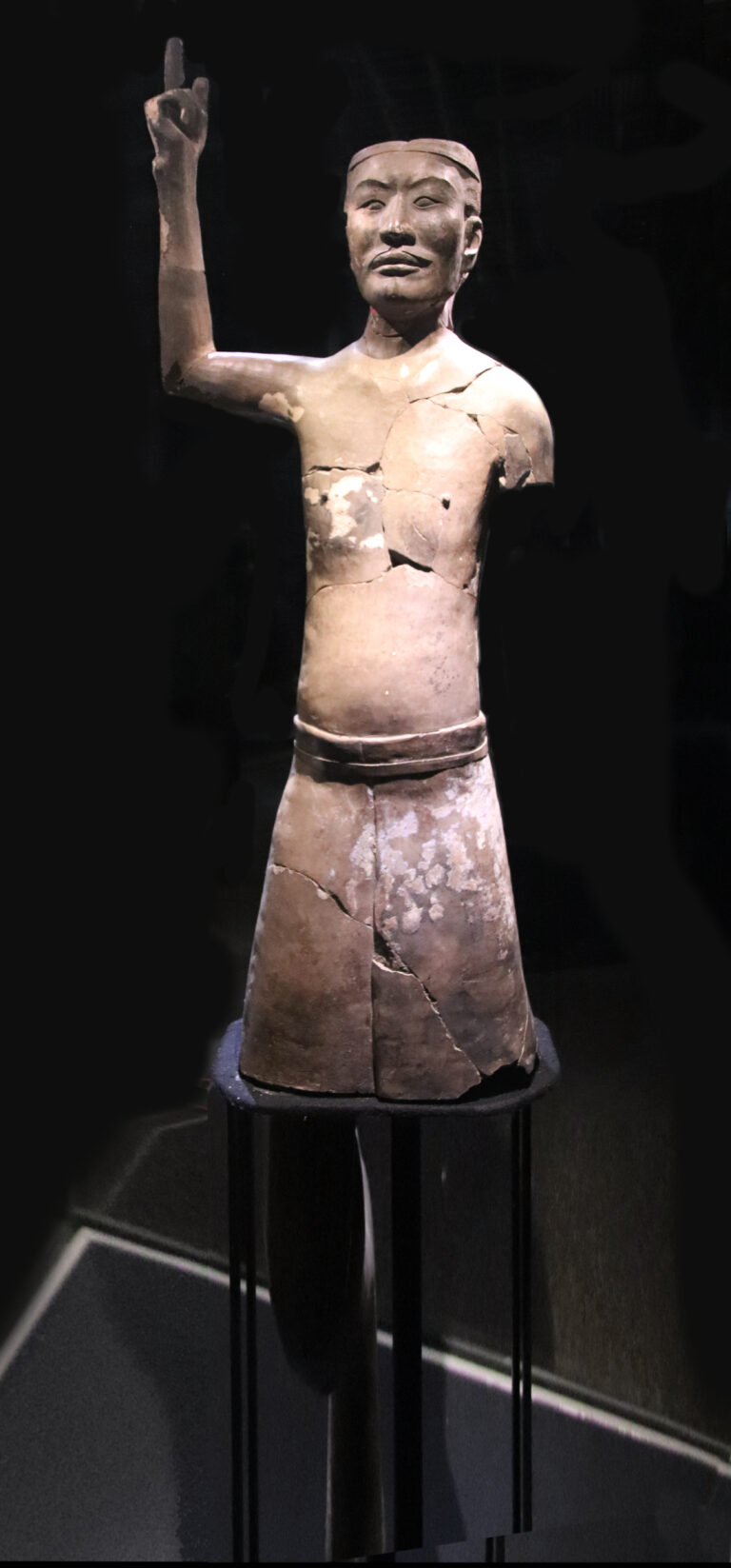
Meet the Qin mausoleum acrobats and strongmen: why they are different from the Terracotta Army soldiers, what Pit K9901 may represent, and how these figures change the way visitors understand the wider site.

A clear guide to how Terracotta Army figures were made: prepared clay, repeatable production steps, hand-finished details, firing, painting, and the clues visitors can still see in the museum.

Understand the 1974 Terracotta Army discovery, why excavation remains a careful process, and how that archaeological story can change the way you look at Pit 1, Pit 2, and Pit 3.

Look beyond the warriors with a practical guide to Terracotta Army horses: chariot and cavalry contexts, ears, manes, tails, harness details, museum route tips, and how they differ from the bronze chariots.