The Terracotta Army is usually described in the thousands, but visitors should be careful with exact numbers. Different explanations may count restored warriors, excavated figures, estimated figures, horses, chariots, or the broader pit system differently. The useful visitor answer is to understand why the scale is huge and why the number is not the whole story.
Numbers in context
- Visitor takeaway: the army is a large archaeological complex, not a small display.
- Main viewing area: Pit 1 gives the clearest sense of scale.
- Why numbers vary: excavation, restoration, estimates, and category definitions differ.
Why exact numbers can be confusing
Counting the Terracotta Army is not like counting finished objects in a small gallery. Some figures are restored and visible. Some are excavated but incomplete. Some estimates include horses or chariots. Some describe the broader pit system rather than what a visitor can clearly see from the railing.
This is why good explanations use context. If one source gives a number, ask what is being counted. For a visitor, the more important question is how the museum route communicates scale, variety, and the ongoing nature of archaeology.
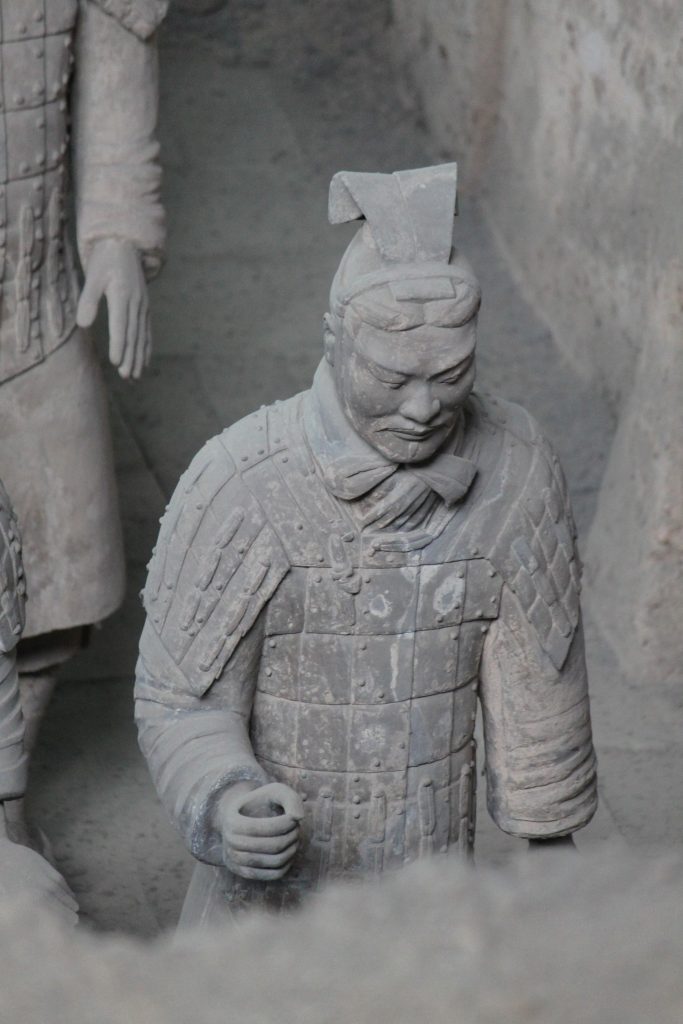
Pit 1 and scale
Pit 1 is where most visitors feel the scale immediately. Rows of warriors stretch across the hall, and the combination of restored figures and excavation space makes the army feel organized and unfinished at the same time. If you only have time for one deep look, make it Pit 1.
Do not only look at the most complete rows. Broken areas, restoration zones, and the depth of the hall help explain why the site is still interpreted as archaeology, not as a finished statue display.
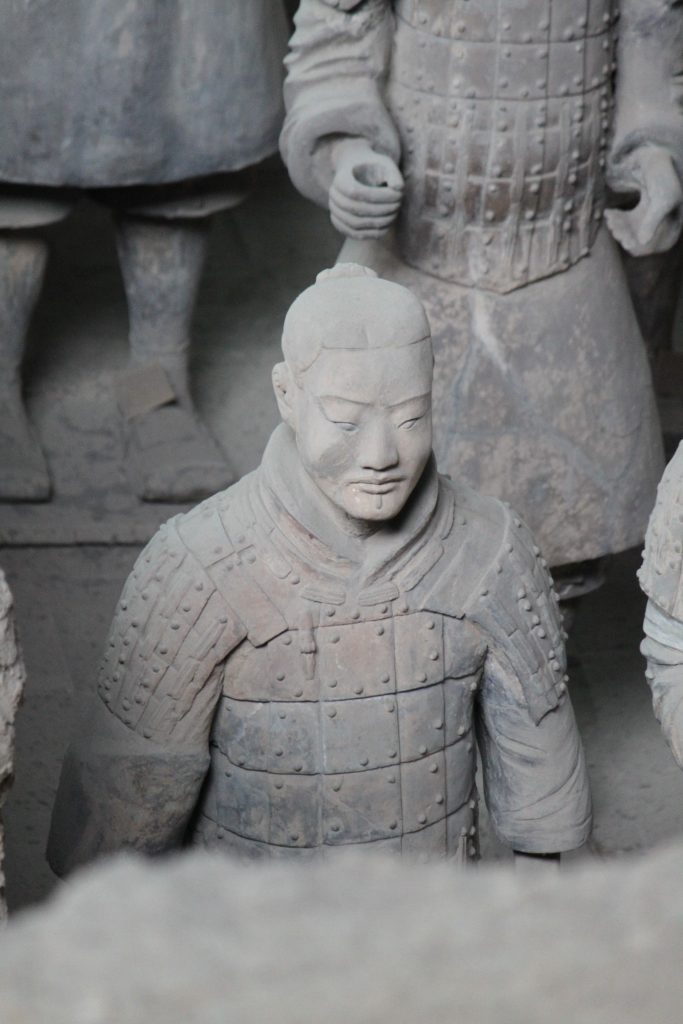
Pit 2 and Pit 3
Pit 2 and Pit 3 add context to the numbers. They show that the site is not only about one large formation. Pit 2 helps with variety, military roles, and excavation context. Pit 3 helps with command structure. Together, they make the total army more understandable.
Read the Pit 2 guide and Pit 3 guide if you want to understand why the quieter halls matter. They may not create the same first shock as Pit 1, but they help answer what the numbers mean.
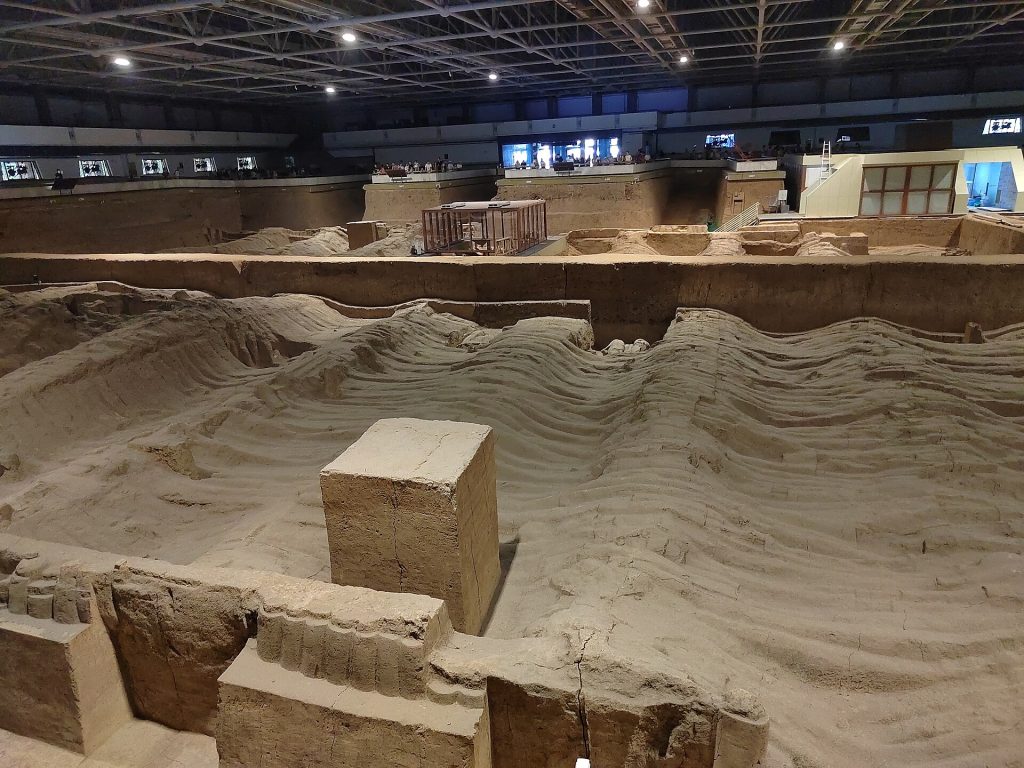
Why estimates change over time
Archaeological interpretation can change as excavation, conservation, display choices, and research continue. Visitor-facing numbers should therefore be treated as guides to scale rather than permanent trivia. This is especially important when comparing old guidebooks, online summaries, museum labels, and simplified travel content.
Before repeating a number, check official or authoritative sources. On the site itself, focus on what the route shows: scale in Pit 1, variety in Pit 2, command in Pit 3, and craft in the Bronze Chariots.
How to use this fact on your visit
Use the number as a doorway into the museum, not the whole lesson. Ask what was restored, what remains incomplete, why the pits differ, and how the figures support the mausoleum story of Qin Shi Huang. The number tells you scale; the route tells you how to experience it.
Pair this page with the Pit 1 guide, who built the Terracotta Army, and the museum first-time guide.
Before-you-go checklist
Do not memorize only one number. Understand what is being counted. Give Pit 1 enough time for scale. Use Pit 2 and Pit 3 for context. Check official heritage information if you need the most current explanation. Let the facts support the visit rather than replace it.
Why the famous number is not enough
Visitor-facing summaries often say there are thousands of warriors, but exact counts depend on what is being counted: restored figures, excavated remains, estimated figures, horses, chariots, or the wider pit system. That is why this topic should be explained with caution.
The better museum question is what the numbers show. They show state organization, scale, restoration complexity, and the difference between visible display and ongoing archaeological interpretation.
How to see scale inside the museum
Pit 1 gives the strongest visual answer because the rows make scale immediately visible. Pit 2 and Pit 3 complicate the answer by showing different functions and excavation states. The Bronze Chariots add a different kind of evidence: technical skill and imperial detail rather than sheer quantity.
If you are visiting with children, ask them to compare what is restored, what is broken, and what is still being interpreted. That keeps the number from becoming a one-line fact that disappears after the photo stop.
Use authoritative context
For public-facing writing, avoid pretending that one simplified number is the whole truth. Use official museum and heritage sources for context, and explain what type of count is being discussed.
Pair this page with the Pit 1 guide, the Pit 2 guide, and who built the Terracotta Army to turn the number into a fuller visitor explanation.
How to answer the question responsibly
A responsible answer should explain that the site is measured in thousands while also making clear that visible figures, restored figures, excavated pieces, horses, chariots, and estimates are not the same category. That is more useful than repeating one number without context.
On the visit itself, let Pit 1 create the emotional sense of scale, then use Pit 2 and Pit 3 to show why the army cannot be reduced to one count. This keeps the article useful for both quick fact seekers and travelers planning the museum route.
Related planning guides
- Pit 1 Guide at the Terracotta Army
- Pit 2 Guide at the Terracotta Army
- Pit 3 Guide at the Terracotta Army
- Who Built the Terracotta Army?
- Terracotta Army Museum Guide for First-Time Visitors
Official checks before you go
For count-related content, avoid repeating unsourced exact numbers; use museum and heritage sources to explain what type of figure is being counted. See the official ticketing information, the museum website, and the UNESCO World Heritage listing. Use those sources when checking count-related claims or museum interpretation.
Why Are There Walls Between the Terracotta Warriors in Pit 1?
The earth walls in Pit 1 reveal an underground structure, not just rows of warriors. Follow the corridors,…

Terracotta Army Museum Route Order: Which Pits to See First
Plan a practical Terracotta Army museum route order, including Pit 1, Pit 2, Pit 3, bronze chariots, crowds,…
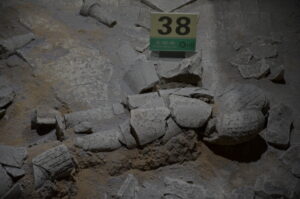
Terracotta Army Restoration: How Broken Fragments Become Museum Figures
Learn how Terracotta Army fragments are documented, matched, stabilised, and reassembled, why incomplete figures still matter, and what…