Many English-speaking visitors wonder whether the Terracotta Army can be understood without a private guide. The short answer is yes, but with limits. The museum has signs, labels, route information, and visual context, yet the site is large enough that preparation makes a real difference.
This guide explains what English signs and labels can help with, where they may feel too brief, and when an audio guide, human guide, or short reading plan may be worth using. It is written for travelers who want a realistic self-guided visit, not a scripted tour.
Quick answer
- Can you visit without a guide? Yes, especially if you read a little before arriving.
- Are there English signs? You can expect some English visitor information and exhibit context, but depth varies by area.
- What do signs explain well? Basic identification, site context, broad history, and visitor flow.
- What do they explain less well? Fine details, excavation sequence, ranks, restoration work, and why one pit differs from another.
- Best plan: use signs for orientation, then use a guidebook, audio guide, or prepared notes for deeper understanding.
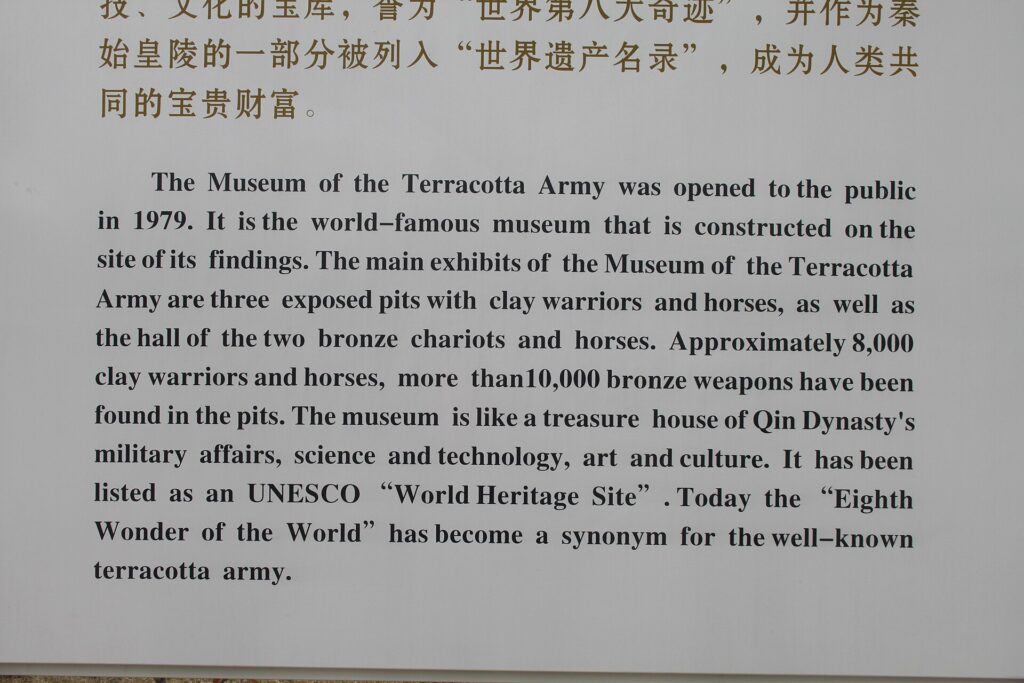
What English signs can do well
English signs are most useful for basic orientation. They can help you confirm where you are, understand a hall or exhibit at a high level, and connect the museum to the larger Mausoleum of the First Qin Emperor. They are also useful for practical visitor movement: entrances, exits, restricted areas, photography reminders, and exhibit names.
If you only need the big picture, signs and labels may be enough. You can understand that the warriors were built for Qin Shi Huang, that different pits served different functions, and that the site is part of a much larger burial landscape.
Where signs may feel limited
The challenge is depth. A short label cannot fully explain military ranks, hairstyles, armor, kneeling archers, chariots, restoration decisions, excavation history, or why the pits look so different from each other. Some visitors leave with strong visual memories but only a loose understanding of what they saw.
This is where a little preparation helps. The guide to what to notice at the Terracotta Army is useful because it gives you things to look for before you are standing in front of the cases and viewing rails.
Can you understand Pit 1 from signs alone?
Pit 1 is the easiest hall to appreciate without much explanation because its scale is obvious. Rows of warriors, excavation zones, and restoration areas make an immediate impression. But signs alone may not help every visitor understand troop formation, repair work, missing parts, or why the front ranks matter.
If you want Pit 1 to be more than a dramatic photo stop, read the Pit 1 guide before you arrive. Even a short preview makes the hall easier to read.
Can you understand Pit 2 and Pit 3 from signs alone?
Pit 2 and Pit 3 often need more context than Pit 1. They are smaller or less visually complete, so visitors who rely only on quick labels may move through too fast. Pit 2 is useful for variety and excavation context, while Pit 3 helps with command structure and organization.
If your goal is a self-guided visit, review the Pit 2 guide and the site route before entering the halls. That way, shorter labels can confirm what you already understand instead of carrying the whole explanation by themselves.
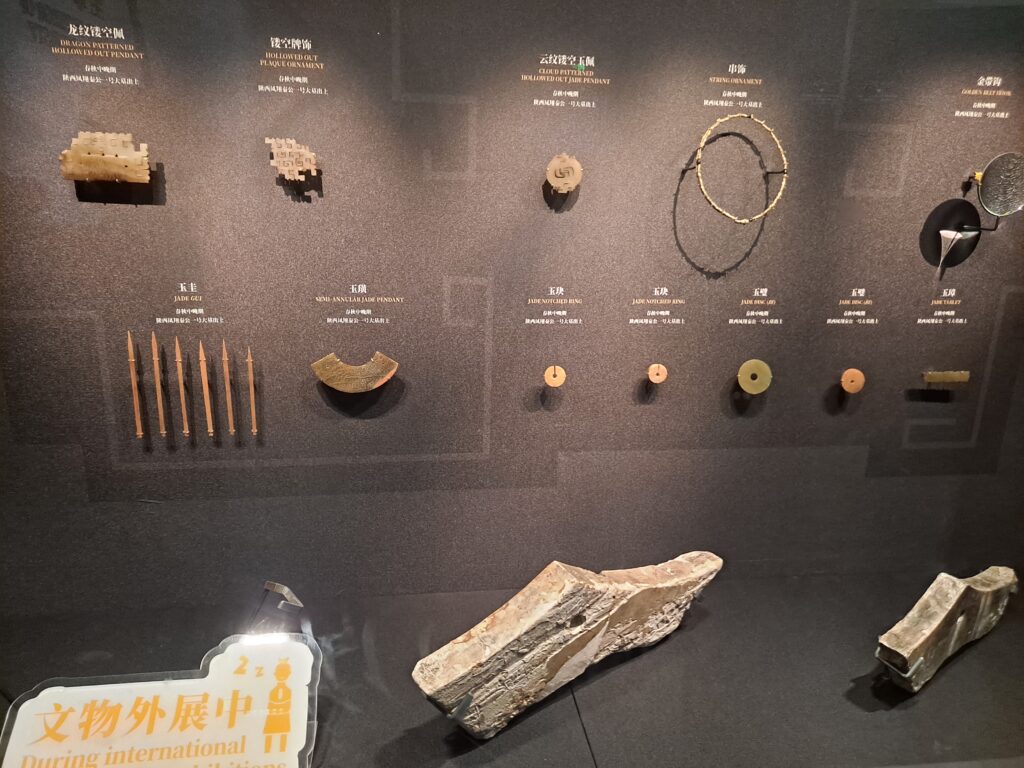
Do English labels replace an audio guide?
For many travelers, labels are enough for orientation, while an audio guide is better for interpretation. Labels are brief and fixed in place. Audio can explain why a detail matters while you are looking at it, especially if you are interested in history but do not want a full private guide.
The audio guide vs tour guide comparison can help you decide whether audio is enough for your style. If you prefer questions, pacing help, and a more flexible spoken explanation, the guide or no-guide article may be more useful.
What to read before a self-guided visit
You do not need to study heavily before visiting. A practical plan is to read one general museum overview, one route-order guide, and one details guide. That gives you enough structure to use signs and labels more effectively once you are inside.
Start with the Terracotta Army museum guide for first-time visitors, then use the museum route order guide to decide how to move between areas. This is usually more useful than memorizing a long historical timeline.
How to use signs inside the museum
Do not stop at every sign with the same level of attention. Use major introduction panels to understand a hall, then use smaller labels for objects or details that interest you. If the area is crowded, read quickly, step aside, and return if the flow allows.
In a busy hall, it is easy to block other visitors while trying to read a label. A better approach is to scan the sign, look at the object, then decide whether the explanation is worth a second read.
What signs cannot solve during peak crowds
Even good signs become less useful if you cannot stand near them comfortably. During peak periods, the bigger challenge is crowd flow, not translation. You may need to keep moving, skip a crowded reading spot, and rely on preparation or audio later.
If you are visiting during a holiday or busy weekend, combine this article with the crowd avoidance guide. Timing often affects how much you can actually read.
Bronze chariots and special exhibits
Smaller exhibits can benefit from labels more than the large pit halls because visitors are looking at specific artifacts, not just scale. The bronze chariots, for example, reward slower reading because craftsmanship, function, and restoration matter.
If you plan to include them, read the bronze chariots guide before the visit. A little context helps you avoid treating a major artifact as a quick final stop.
When a guide is still worth it
A guide may be worth it if you care deeply about history, are traveling with people who ask many questions, have limited time, or want help moving efficiently through crowds. A guide can also adjust the explanation to your group, which signs cannot do.
A self-guided visit may be better if you prefer quiet time, photography, independent pacing, or a lower-cost day. The key is to be honest about how much explanation you want.
Self-guided checklist
- Read a short overview before arrival.
- Know the basic route before entering the first hall.
- Use signs for orientation, not as your only source of context.
- Spend extra attention on Pit 2, Pit 3, and special exhibits.
- Consider audio if you want detail without a private guide.
- Leave room for crowds, walking, and rest breaks.
Official checks
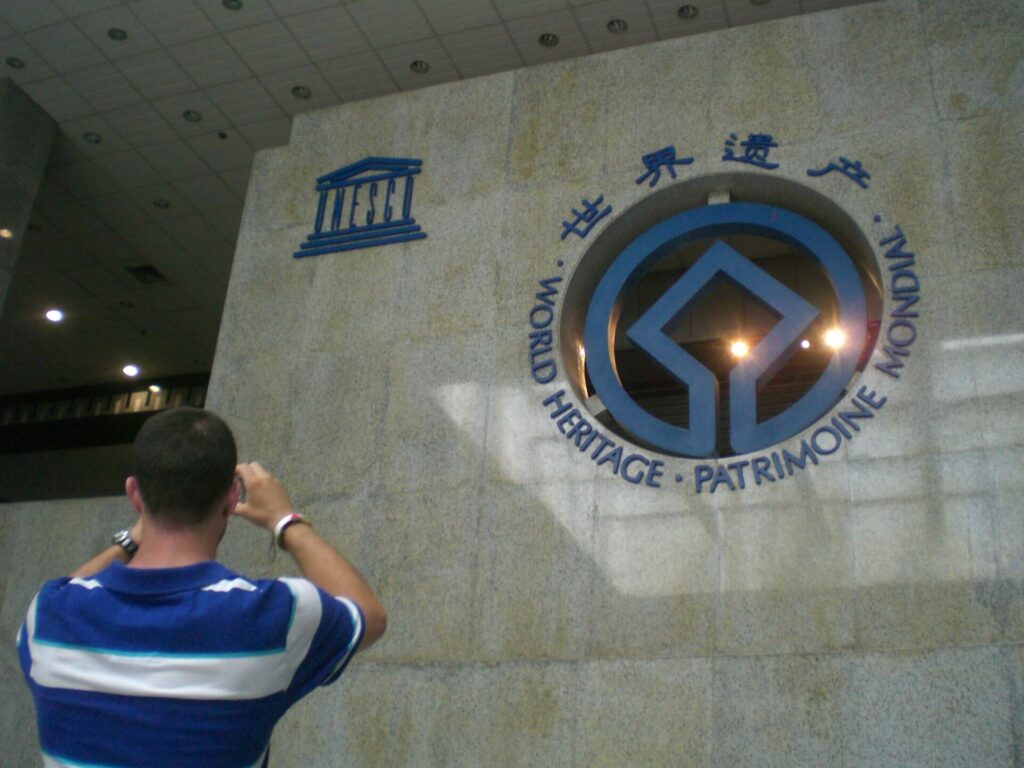
Before visiting, check the Terracotta Army ticketing information, the Emperor Qinshihuang's Mausoleum Site Museum, and the UNESCO World Heritage listing for official context and current visitor information. On-site signs and staff guidance should always take priority on the day.
Best recommendation
You can visit the Terracotta Army without a guide if you prepare lightly and accept that signs will not explain everything. For many travelers, the best balance is a self-guided route with a little reading before the visit and selective use of labels once inside.
If you want the museum to feel more meaningful, do not rely on translation alone. Know the route, know what to notice, and use the signs as support. That approach keeps the visit independent while still giving the warriors, pits, and exhibits the context they deserve.

Terracotta Army for Solo Travelers: A Practical First Visit Guide
Plan a solo Terracotta Army visit with practical advice on tickets, transport from Xi'an, entry checks, self-guided route…
Qin Civil Officials at the Terracotta Army: What Pit K0006 Reveals
Discover the Qin mausoleum civil officials of Pit K0006: why their folded sleeves, charioteers, colours, and separate setting…
Bronze Water Birds at the Qin Mausoleum: Cranes, Swans, and Geese
A visitor guide to the bronze water birds from the Qin mausoleum: why cranes, swans, and geese matter,…