Restrooms and visitor facilities are not the most exciting part of planning a Terracotta Army visit, but they can decide how comfortable the day feels. The museum is outside central Xi'an, the route takes time, and many visitors spend several hours moving between entry checks, pit halls, photos, explanations, toilets, water, and the return journey.
This guide is for first-time visitors who want fewer practical surprises. It does not try to list every facility as if nothing ever changes. Instead, it explains how to plan toilets, rest breaks, bags, water, children, senior travelers, and accessibility needs so the museum visit stays focused on the warriors rather than logistics.
Quick planning snapshot
- Best approach: use toilets and settle basic needs before the most important viewing sections.
- Best bag: small enough to manage in queues, toilets, and crowded viewing areas.
- Best visitor habit: ask staff or check signs on site instead of relying only on old notes.
- Most useful buffer: allow extra time for children, senior travelers, heat, rain, holidays, or luggage.
Why facilities matter at the Terracotta Army
The Terracotta Army is not a short indoor gallery where you can easily step out and restart. Once the group enters the rhythm of the visit, backtracking for toilets, water, or bag problems can interrupt the route. This matters most for families, older travelers, visitors with medical needs, and anyone trying to fit the museum into a tight half-day plan.
A good facilities plan does not need to be complicated. Know your route, avoid carrying too much, use restrooms before the key sections, and leave enough time for practical stops. The first-time museum guide is useful because facility planning works best when it follows the main route, not when it is improvised every few minutes.
When to use the restroom
The safest habit is to use the restroom before the group gets deeply into the main viewing route. If you wait until everyone is tired or the viewing area is crowded, a simple toilet stop can become a long interruption. This is especially true if one person needs to leave the group and then find everyone again.
Do not assume every restroom location, queue, or nearby facility will be exactly as described in older travel notes. Follow current signs, ask staff if needed, and pay attention after entry because visitor flow can change during busy periods or site adjustments.
Entry area and first practical stop
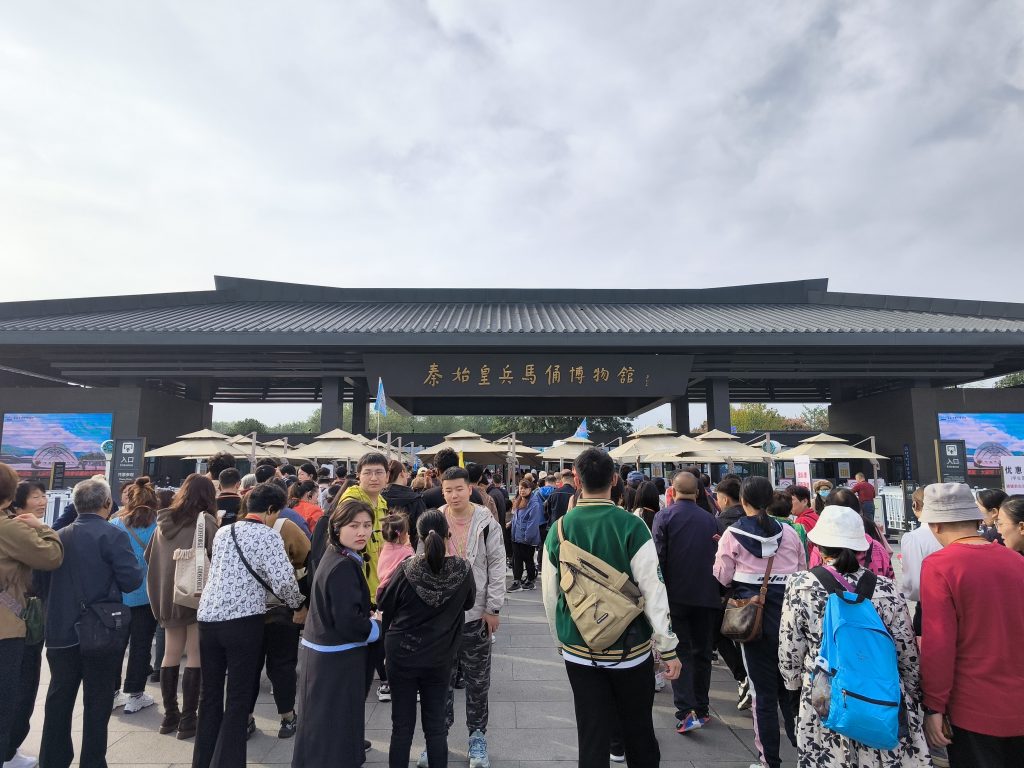
Before you focus on the warriors, settle the basics: tickets, documents, toilets, water, and where your group will meet if separated. This is not wasted time. It protects the most important part of the visit from small problems that become bigger once the group is inside a crowded hall.
The Terracotta Army tickets guide is the right place to check entry preparation. If ticket documents, booking details, or timing are uncertain, facilities planning becomes harder because the group is already under pressure before the route begins.
What to carry in your day bag
Carry the practical items you really need: passport or required identification, ticket details, phone, power bank, tissues, water, a small snack if appropriate, simple medicine, and weather items such as sun protection or a compact umbrella. Keep the bag light enough that it does not become a burden in toilets, queues, or viewing areas.
Tissues and hand sanitizer are sensible in any busy travel day in China, not because you should expect a problem, but because they are useful when facilities are crowded or supplies vary. Keep valuables secure, and avoid placing anything important in an outside pocket that is easy to forget.
Water, snacks, and comfort
Water helps, but too much water in a heavy bag can make the route less comfortable. The better plan is to carry enough for the museum rhythm and manage meals around the visit. If you arrive hungry, thirsty, or overpacked, even a good museum route can feel harder than it should.
For a fuller meal plan, use the food and water guide. It helps decide whether to eat before or after the visit, how to avoid overpacking snacks, and how to keep lunch from cutting into the best museum time.
Bags, toilets, and crowded spaces
A large backpack or extra shopping bag can make toilets and narrow movement more awkward. It can also make the group slower when viewing areas are crowded. The smaller the bag, the easier it is to move through entry, restroom stops, pit halls, and the exit without constantly adjusting straps or worrying about belongings.
If your visit happens on checkout day or between transport connections, separate the suitcase problem from the museum route. The museum is much easier with a light day bag than with travel luggage in the background.
Families with children
Families should plan restroom stops before children urgently need them. The Terracotta Army can be exciting at first, but children may become tired or impatient during slower sections. A toilet stop, snack pause, or short rest at the right time can keep the visit from turning into a rush through the later halls.
The Terracotta Army with kids guide gives more detail on attention span, route order, and how to explain the museum without making the visit feel too long. Facilities planning is part of that family rhythm.
Senior travelers and accessibility needs
Older travelers, slower walkers, and visitors with mobility concerns should plan facilities around comfort rather than ambition. The main goal is to protect enough energy for the best parts of the museum. A shorter route with well-timed rest stops is better than a long route that leaves the group exhausted.
If comfort, wheelchair access, or slow walking affects your group, read the accessibility and mobility guide before the visit. It pairs naturally with restroom and rest-break planning because both depend on route flow, walking time, and crowd pressure.
Rest breaks and standing time
Many visitors think only about walking distance, but standing time can be just as tiring. Waiting at viewing railings, listening to explanations, taking photos, and moving slowly through crowds all add up. Rest breaks should happen before the group is already uncomfortable.
The walking distance and route tips guide explains the physical rhythm of the visit in more detail. Use it with this facilities guide if your group includes children, older travelers, or anyone who dislikes long standing periods.
Facilities during busy periods
During weekends, holidays, and school travel periods, facilities can feel more pressured because many visitors need the same things at the same time. Toilets, water stops, entry checks, and viewing points may all take longer. This is why practical stops should be handled early and calmly.
If you are visiting during a public holiday or peak period, reduce optional plans after the museum and leave extra time for exit and transport. A crowded day is not the best day to rely on a perfect sequence of quick stops.
What not to assume
Do not assume a specific restroom, storage point, seating area, or service will be available exactly where an old review described it. Visitor services can change because of maintenance, crowd control, construction, holidays, or route changes. Use current signs and official information, and ask staff when the answer matters to your group.
Also do not assume that every traveler in the group has the same comfort limit. One person may be fine walking for hours, while another needs more water, toilets, or short breaks. Planning for the slower person usually creates a better visit for everyone.
Before-you-go checklist
- Use the restroom before the main viewing route starts.
- Carry tissues, water, phone power, ticket details, and required identification.
- Keep the day bag light and easy to manage in crowded areas.
- Plan extra toilet and rest time for children, senior travelers, and slower walkers.
- Do not overpack food or water so heavily that the bag becomes uncomfortable.
- Follow current signs and ask staff if a facility location or rule is unclear.
- Check official visitor information close to your visit date.
Official checks
For current visitor information, use the Terracotta Army ticketing information and the Emperor Qinshihuang's Mausoleum Site Museum. Facilities, visitor flow, service availability, and holiday controls can change, so confirm important details before your visit.
Best facilities strategy
The best strategy is to solve small needs before they become route problems. Use restrooms early, carry a light and useful day bag, keep water and snacks sensible, and plan rest breaks before the group is tired.
When the practical side is handled well, the Terracotta Army feels less stressful and more memorable. You can spend your attention on the warriors, the pits, and the story of the museum instead of looking for the next place to stop.
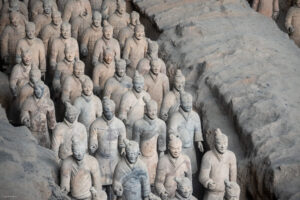
Terracotta Army with Kids: Family Visit Guide
Plan a Terracotta Army visit with kids, including route order, tickets, transport, snacks, toilets, guide choices, stroller limits,…
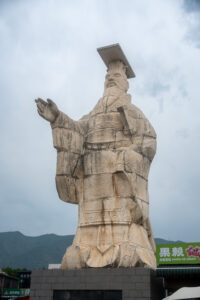
Visiting the Terracotta Army in Summer: Heat, Crowds, and Route Tips
Plan a summer visit to the Terracotta Army with practical advice on heat, crowds, timing, tickets, transport, route…
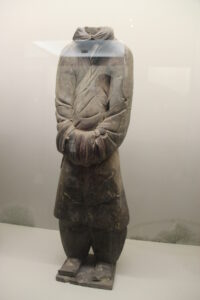
Qin Civil Officials at the Terracotta Army: What Pit K0006 Reveals
Discover the Qin mausoleum civil officials of Pit K0006: why their folded sleeves, charioteers, colours, and separate setting…